


 Germany’s Carsten Breuer Elected Next NATO Military Committee Chair
  US Delegation Visits Myanmar, Secures Release of American Adam Castillo
  Houthis Seize Bab el-Mandeb as Military Power Grows
  Canada Eyes India Trade Deal by Year-End
  ICE Agent Arrested in Minneapolis Over Venezuelan Man Shooting
  Israeli Strikes Across Gaza Leave at Least Three Dead
  Trump Bans CNN, MS NOW and Politico From White House
  Bessent, He Lifeng to Discuss AI Security and Trade in New York
  Turkey Ready to Aid Saudi Arabia Under Defence Pact as Houthi Attacks Escalate
  UN Allows Mahmoud Abbas Video Address After US Visa Denial
  Mexico Pushes for US Trade Deal Before Midterms
  Trump Threatens EU Tariffs Over Canada Membership Proposal
  Japan, U.S. Discuss $19 Billion GlobalFoundries Chip Plant
  Paris Talks Focus on Lebanon Army Needs as UNIFIL Exit Looms
  Venezuela Nears Deal to Move $4 Billion in Gold to New York Fed
  South Korea’s Lee Rules Out Military Role in Middle East War
  FBI, Coast Guard Board Ships After Cyberattacks


 Add as a preferred source on Google
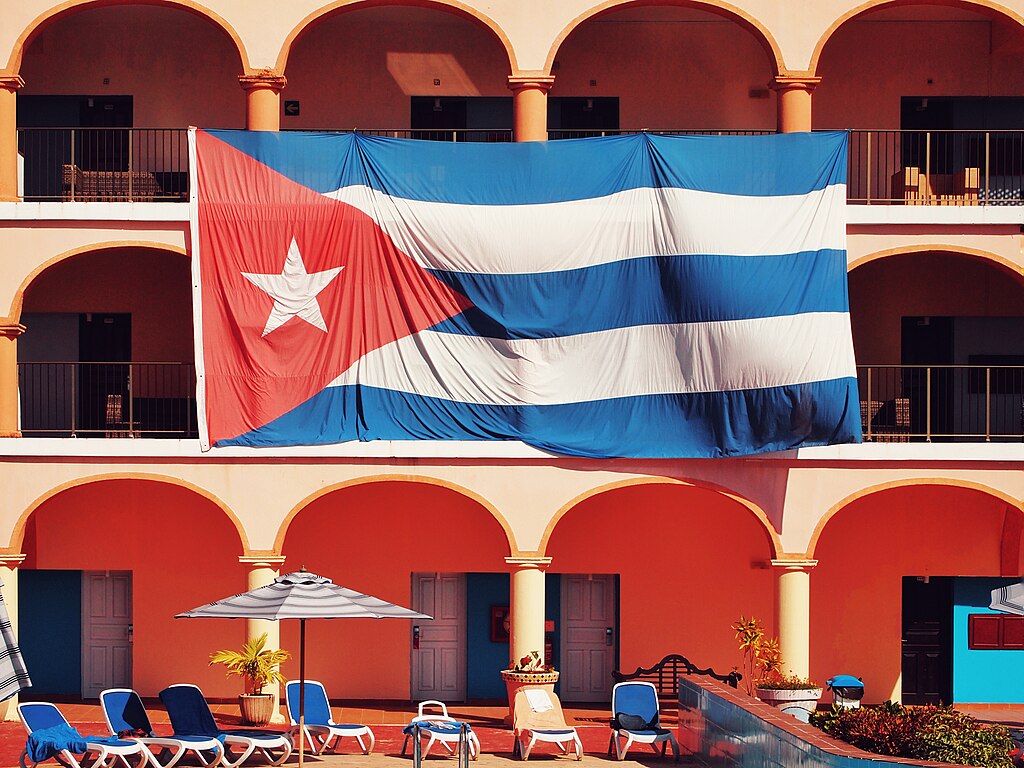
Cuba welcomed a long-awaited shipment of international humanitarian aid on Tuesday, as activists from the global Nuestra America Convoy successfully delivered essential supplies to the island nation despite ongoing U.S. sanctions that continue to tighten economic pressure on Cuban citizens.
A small vessel departed from Progreso, Mexico, carrying 14 tons of food, medicine, solar panels, and bicycles before docking at Havana Harbor early Tuesday morning. The delivery was part of a three-ship flotilla, with the remaining vessels scheduled to follow in the coming days. Combined with an additional 6 tons of goods flown in by activists over the previous week — including donations distributed directly to Cuban hospitals — the total aid package represents a coordinated international response to Cuba's deepening humanitarian crisis.
The Nuestra America coalition, comprising nearly 300 organizations across more than 30 countries including NGOs, labor unions, political parties, and elected officials, organized the effort. Cuban President Miguel Díaz-Canel personally received convoy representatives at the presidential palace, among them former British Labour leader Jeremy Corbyn. Brazilian activist Thiago Avila, who sailed aboard the ship from Mexico, described the delivery as only the beginning of broader solidarity efforts to come.
The aid shipment carries both practical and symbolic weight. The vessel, originally named "Maguro," was renamed "Granma 2" by its crew — a tribute to the historic yacht that carried Fidel Castro to Cuba in 1956 at the start of the Cuban Revolution. The gesture underscores the political dimension of the convoy's mission.
Cuba currently faces a near-catastrophic economic crisis marked by severe fuel shortages, failing healthcare infrastructure, and unreliable electricity — conditions worsened by the Trump administration's decision to cut off fuel supplies and threaten tariffs on countries that deliver oil to the island. The situation has been further complicated diplomatically after both Costa Rica and Ecuador recently severed ties with Havana.







