


 Canada Eyes India Trade Deal by Year-End
  Venezuela Nears Deal to Move $4 Billion in Gold to New York Fed
  Trump Threatens EU Tariffs Over Canada Membership Proposal
  China Boosts Gold Reserves by 650,000 Ounces as Prices Rally
  Bank of England Sees Surge in Higher-Risk Collateral
  East Germany Narrows Economic Gap With West but Wealth Divide Persists
  Mexico Pushes for US Trade Deal Before Midterms
  Bolivia Approves $1.9 Billion IMF Financing Deal
  BOJ Flags Import Costs and Yen Shocks as Persistent Inflation Risks
  Yemen Fighting Threatens Red Sea Oil Routes
  European Stocks Rally After Fed Hike, Iran Peace Hopes
  US Stock Futures Rally as Markets Digest Fed Rate Hike
  BOJ Set to Raise Rates to 1.25% as Inflation Risks Build
  Yen Slides After BOJ Rate Hike as Dollar Holds Near Seven-Week High


 Add as a preferred source on Google
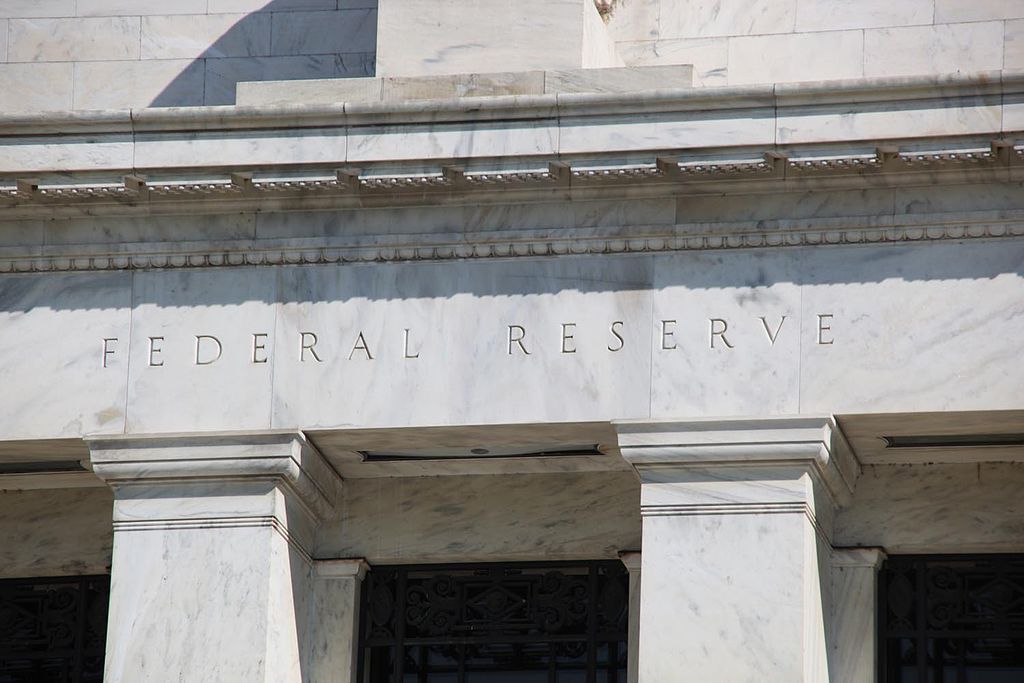
The Federal Reserve’s latest interest rate hike could deepen the U.S. housing downturn while making economic growth increasingly reliant on artificial intelligence investment, according to Citi Research.
The Fed raised its benchmark interest rate by 25 basis points this week to a target range of 3.75%-4%. Fed Chair Kevin Warsh described the increase as removing a “dose of accommodation” and pointed to rising energy costs as a factor behind the decision. He also indicated that further monetary tightening remains possible, saying the move was “starting to show we are serious.”
Citi expects cooling inflation to allow the Federal Reserve to keep rates unchanged over the coming months before beginning rate cuts next year. However, the bank said Warsh’s hawkish comments have increased the possibility of another near-term rate hike, potentially as soon as October.
Higher short-term rates and rising U.S. Treasury yields are already tightening financial conditions for consumers and companies. The U.S. 10-year Treasury yield recently stood near 5%, increasing borrowing costs across mortgages, auto loans and corporate credit.
Citi said tighter monetary policy is unlikely to significantly slow AI-related capital spending, which remains a major source of U.S. economic growth. Analysts argued that a substantial equity market correction or widening corporate credit spreads would probably be required to meaningfully restrict investment by major technology companies and hyperscalers.
Other areas of the economy face greater pressure. Elevated mortgage rates could push the U.S. housing market further into contraction, while debt-dependent manufacturers may face tighter margins and weaker capital expenditure. Hiring could also soften as businesses contend with higher financing costs.
Citi warned that this divergence could leave the U.S. economy increasingly dependent on AI investment. As higher borrowing costs constrain housing, consumer spending and traditional industries while technology investment remains resilient, economic growth could become more vulnerable to disruptions affecting the AI boom or broader financial markets.







