


 Asian Gold Stocks Rise as Bullion Rebounds on Softer Dollar
  Gold Rebounds Above $4,300 Despite Hawkish Fed Rate Hike
  Canada Eyes India Trade Deal by Year-End
  East Germany Narrows Economic Gap With West but Wealth Divide Persists
  Bessent, He Lifeng to Discuss AI Security and Trade in New York
  US Stock Futures Rally as Markets Digest Fed Rate Hike
  Supertanker Orders Surge as US-Iran War Reshapes Oil Trade
  Oil Prices Fall as Saudi Supply Concerns Ease
  Gold Prices Rise as Oil and Treasury Yields Fall
  Bolivia Approves $1.9 Billion IMF Financing Deal
  Yen Slides After BOJ Rate Hike as Dollar Holds Near Seven-Week High
  Iran Economic Crisis Forces Afghan Families to Return Home
  Asian Chip Stocks Rally as Treasury Yields Ease
  Yen Sinks as BOJ Rate Hike Fails to Impress Markets
  European Stocks Rally After Fed Hike, Iran Peace Hopes
  BOJ Set for 25-Basis-Point Rate Hike as Yen Weakness Fuels Inflation
  Mexico Pushes for US Trade Deal Before Midterms


 Add as a preferred source on Google
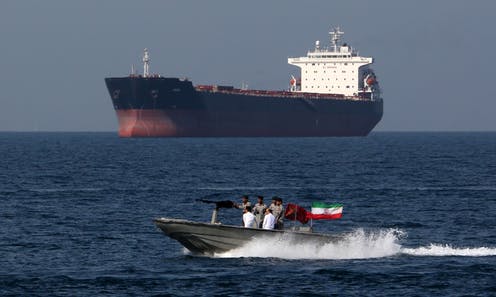
Oil and liquefied natural gas shipments through the Strait of Hormuz have climbed to a six-month high over the past two weeks, as U.S.-led naval escorts and mine-clearing operations improve access to the critical energy corridor, according to U.S. Central Command.
Admiral Brad Cooper, head of CENTCOM, said Saturday that the main shipping channels through the Strait of Hormuz have been cleared of naval mines. Gulf countries have also exported more than 1 billion barrels of crude through the waterway in recent months.
The U.S. military has supported more than 2,000 commercial vessel transits alongside Gulf Cooperation Council partners, insurers and shipping companies. Cooper said the operations are helping stabilize global energy flows while Washington maintains its blockade against Tehran, which he said has reduced Iranian oil exports to “zero barrels.”
Improving traffic through Hormuz comes despite escalating security threats elsewhere in the region. Saudi authorities issued two air raid alerts for Riyadh early Saturday before later lifting the warnings. Two explosions were reported in the capital, while smoke near King Khalid International Airport contributed to operational delays.
The alerts followed intensified missile and drone attacks by Yemen’s Iran-backed Houthis against Saudi infrastructure. An attack on Taif on Thursday killed one person and injured several others. Saudi Arabia has also blamed pro-Tehran militias in Iraq for a previous drone strike that temporarily shut the East-West oil pipeline, an important alternative to Hormuz.
Meanwhile, tanker traffic through the Bab el-Mandeb Strait remains constrained as the Houthis claim to be enforcing a Red Sea blockade. Kpler data showed only five loaded tankers carrying Saudi petroleum products exited through Bab el-Mandeb during the past week.
Energy security remains a major concern for Washington as the Strait of Hormuz handles roughly 10 million barrels per day of crude oil and refined products. Brent crude is trading near $104 a barrel, compared with about $88 three weeks earlier, adding to inflation and fuel-price pressures ahead of the November U.S. midterm elections.
U.S. Energy Secretary Chris Wright said energy markets remain tighter than desired, but continued shipping through Hormuz is helping prevent further deterioration in global oil supplies.







