


 JD Vance Says Britain Needs Major Political Change as Leadership Transition Looms
  Michigan Senate Race Narrows as Mallory McMorrow Ends Democratic Campaign
  Australia Sues Amazon Over Prime Video Ads and Subscription Terms
  Colombia Opens New Investigation Into Former President Álvaro Uribe Over Paramilitary Allegations
  US Appeals Court Limits ICE Detention Without Bond Hearings After 90 Days
  Russia Claims Capture of Kostiantynivka as Putin Pushes Donetsk Offensive
  Israeli Airstrike Kills Two in Gaza City as Ceasefire Violations and Truce Talks Persist
  Frank Stronach Found Guilty of Sexual Assault and Indecent Assault in Ontario Court
  DOJ Seeks Dismissal of Fraud Charges Against Gautam Adani in U.S. Court
  US Ambassador Prioritizes Cook Islands Critical Minerals, Warns of China’s Pacific Influence
  France Battles Mediterranean Wildfires as Heatwave Fuels Fire Risk
  Israel Cabinet Rejects Supreme Court Ruling, Sparking Constitutional Crisis Fears
  Pedro Sanchez’s Wife Ordered to Stand Trial in Spain Corruption Case
  Russia Strikes Kyiv as Ukraine Faces Patriot Missile Shortage Before NATO Summit
  Khamenei Funeral Draws Thousands as Iran Stages Nationwide Week of Mourning
  Supreme Court Backs Lisa Cook, Defends Federal Reserve Independence Against Trump Firing Attempt
  Flavio Bolsonaro Urges Trump to Delay Brazil Tariffs Until After 2026 Election


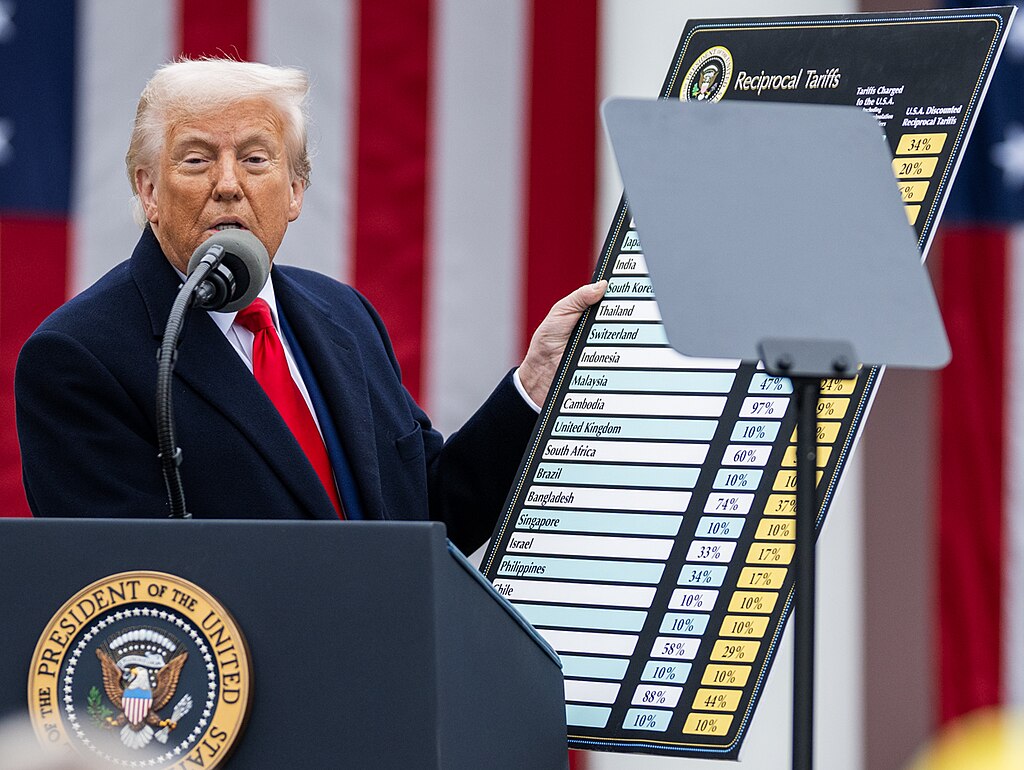
A federal court has blocked President Donald Trump’s proposed reciprocal trade tariffs, ruling he exceeded his authority by attempting to impose sweeping levies on U.S. trading partners. The U.S. Court of International Trade determined that only Congress has the constitutional authority to regulate foreign commerce, rejecting Trump's use of emergency powers to justify the tariffs.
The lawsuit, filed by the Liberty Justice Center on behalf of five small U.S. importers, challenged Trump’s invocation of the International Emergency Economic Powers Act (IEEPA). The court concluded that IEEPA did not authorize the president to impose broad, indefinite tariffs on nearly all foreign goods, declaring such authority as “unbounded.”
In its decision, the court stated, “The court does not read IEEPA to confer such unbounded authority and sets aside the challenged tariffs imposed thereunder.”
Trump had introduced the tariff proposal in early April, calling it “liberation day,” targeting nations with trade surpluses against the U.S. and countries allegedly acting as trade intermediaries for China. While most of the tariffs were delayed by 90 days, China faced steep duties—reportedly up to 245%—before a de-escalation agreement was reached in May.
This ruling marks a significant legal setback for Trump’s trade agenda, which focused on aggressive tariffs to counter perceived unfair trade practices. The Biden administration has yet to signal whether it will support or appeal the ruling.
The decision is seen as a win for small businesses reliant on global supply chains, and it reaffirms limits on presidential authority in matters of international trade. Legal experts say the outcome could shape future administrations’ use of emergency powers in economic policy.







