


 Belimo H1 Sales Surge as AI Data Center Cooling Drives More Than Half of Growth
  GM Q2 Earnings Beat Estimates as General Motors Raises 2026 Profit Outlook
  Chalco Shares Jump as Chinalco Plans Up to $300 Million Stake Increase
  Mikron H1 2026 Sales Fall 5.9% as Automation Weakness Weighs on Profit
  SpaceX Eyes Pentagon AI Deal as Cloud Pricing Strategy Pressures CoreWeave
  Nationwide Data Center Protests Highlight Growing Backlash Against AI Expansion
  ASML Trillion-Dollar Valuation: Can Europe’s AI Chip Giant Reach the Historic Milestone?
  Samsung Cuts U.S. Consumer Electronics Jobs as Headquarters Moves to Texas
  GameStop Raises eBay Stake to 9.8% as Ryan Cohen Pushes $56 Billion Takeover Bid
  Ryanair Warns Summer Airfares May Stay Lower as Quarterly Profit Misses Estimates
  TSMC Sees Multi-Year AI Chip Demand as Arizona Expansion Reaches $265 Billion
  Nvidia Reveals 9.3% Stake in AI Cloud Firm Nebius Following $2 Billion Investment
  Why Maruti Suzuki Is Losing Market Share in India as SUVs and Premium Features Gain Popularity
  Lockheed Martin Unveils Lower-Cost Patriot ACE Interceptor to Meet Rising Air Defense Demand
  KKR, AEW Seek China Property Sales as Commercial Real Estate Slump Deepens
  SpaceX Targets Thursday Launch for Starship's 13th Test Flight After Last-Minute Delay


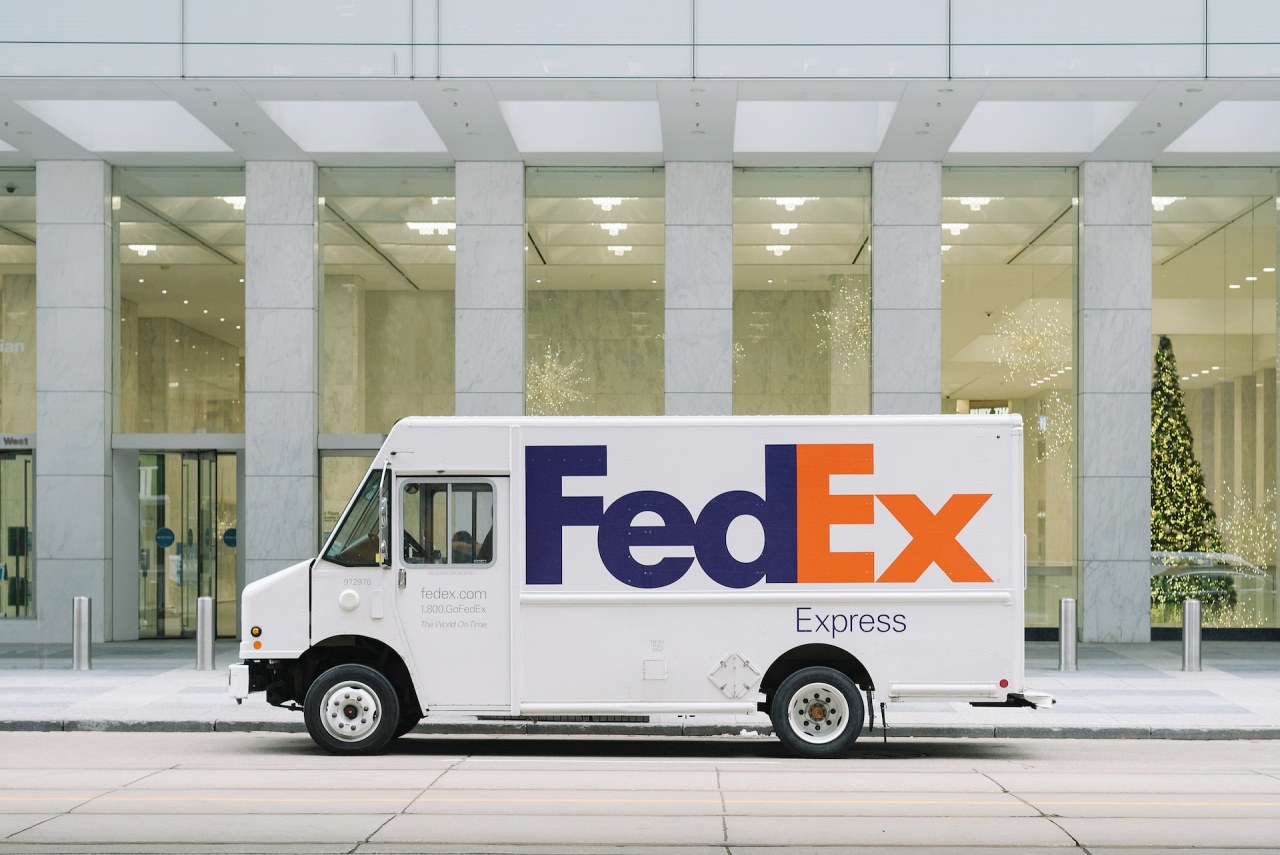

Every year, parcel delivery companies – think UPS and FedEx – hire tens of thousands of seasonal driver helpers to handle the deluge of presents that arrive with the holidays. At peak times, shipping firms depend on their helpers just as much as Santa depends on his elves. And those companies could save millions of dollars each year – and shave time off their deliveries – simply by tweaking the roles they gave those workers to be more efficient, my colleagues and I recently found.
As a a professor of supply chain management, I’m interested in how shipping companies can reach complex logistical goals. And there are few goals more challenging than getting 90 million parcels to their destinations every day, which was the industrywide average during the 2022 U.S. holiday season.
So, when a major shipping company asked for some fellow researchers and me to find ways to improve the system, we jumped at the chance. Using mathematical models and a field experiment in a small Midwestern city, we found that reassigning these workers could unlock major efficiency gains.
Have yourself some merry little logistics
If you want your presents to land at Grandma’s house on time and you don’t live nearby, you’ll probably need a shipping company to help. But such firms have been under strain for years, thanks to the rapid growth of online shopping, lingering supply chain problems, labor issues and more. Unsurprisingly, shipping delays are becoming more common. So improving efficiency would be a big deal.
The way things work now is that seasonal helpers are divided into two groups. Some are assigned to a driver and ride with them along their entire route. Others work alone at locations with many customers, such as shopping malls or big apartment complexes. Drivers stop by those sites and drop off many packages; these independent helpers then use equipment such as hand trucks to deliver the items to their final destinations.
The current system was a big innovation when it was introduced. Helpers can halve the time that drivers spend delivering packages at some stops, allowing a single vehicle to deliver more packages each day.
But it doesn’t work perfectly. Helpers are often underused, and sometimes they don’t have enough hours per day for the work to be economically viable for them. Independent helpers may be assigned deliveries on days that don’t take up their entire paid work time. Meanwhile, drivers aren’t always thrilled when helpers accompany them – especially if they aren’t really needed on the entire delivery route.
A smarter approach for the holidays
To improve both types of helpers’ efficiency while boosting their morale, my co-authors and I proposed the concept of a “hybrid helper.” A hybrid helper would deliver parcels together with a driver on part of the route, but could also be dropped off at select locations to work alone to deliver packages, with the driver returning later to pick up the helper.
Using a hybrid approach could save UPS up to US$4 million annually and cut last-mile delivery times by nearly 8%, our analysis found.
Studies like ours are a first step toward showing how adjusting delivery models could benefit companies while boosting worker satisfaction. But key questions remain. Another research team recently proposed a promising approach that cut last-mile delivery times by up to 43% by using an algorithm to find near-optimal routes for hybrid helpers. However, it’s not yet clear what that might cost.
To be sure, change isn’t easy. Adopting the hybrid helper approach would require the major package delivery companies to update the routing models they use. Such routing models are often proprietary and have been developed over decades, with a lot of time and money committed to their development. But revamping the system could save a lot of money and time – and that would give everyone a little more holiday cheer.







