


 Trump Reportedly Approves Plan to Remove FDA Commissioner Marty Makary Amid Growing Controversies
  Russia Downs Over 50 Drones Near Moscow Ahead of Victory Day Ceasefire
  Trump Expands Cuba Sanctions Targeting Key Sectors and Foreign Entities
  Trump Invites Top CEOs Including Nvidia, Apple, Boeing to China Summit With Xi Jinping
  US Revises UN Resolution on Iran Strait of Hormuz Attacks Amid Russia-China Opposition
  US House Advances $70 Billion Immigration Enforcement Budget Plan
  Trump Administration Releases New UFO Files and Apollo Mission Records
  Vietnam Plans AI-Driven Propaganda Push With Influencers and Podcasts
  Trump-Xi Beijing Summit to Focus on Trade, Taiwan, and Boeing Deal
  Trump Announces Russia-Ukraine Ceasefire for May 9-11 Amid Ongoing Peace Talks
  Medicare to Cover GLP-1 Weight-Loss and Diabetes Drugs Starting July 1
  Google Secures Pentagon AI Deal for Classified Projects
  Lula and Trump Talks Signal New Phase in Brazil-US Relations
  Judge Delays SEC Settlement With Elon Musk Over Twitter Stock Disclosure Case
  China-Made Fireworks Power U.S. Independence Day Celebrations Amid Trade Truce
  TikTok Nears $400 Million Settlement With Trump Administration Over Child Privacy Lawsuit
  Panama Defends Port Takeover Amid U.S.-China Tensions and Canal Dispute


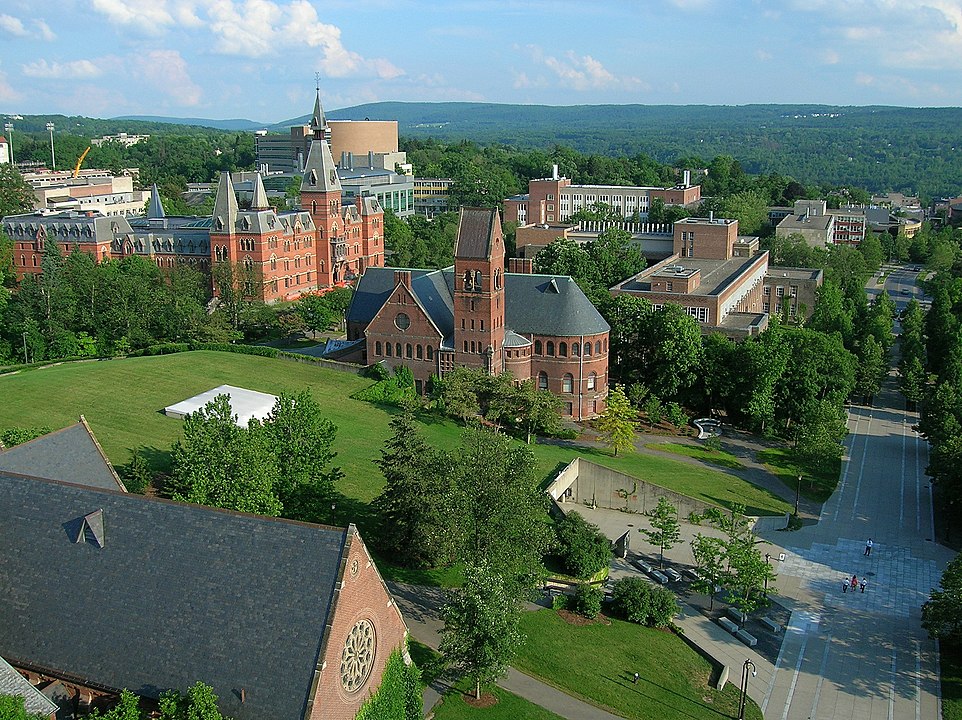
Cornell University has regained $250 million in federal grants after reaching an agreement with the Trump administration, marking the fifth such deal amid a broader conservative crackdown on higher education institutions. The Ivy League university, known for its leading agricultural programs, will pay $30 million to the U.S. government and invest another $30 million in agricultural research over the next three years.
Under the agreement, Cornell must also share undergraduate admissions data—including race, GPA, and standardized test scores—through 2028. This requirement ends federal investigations into alleged antisemitism and discrimination but does not impose any findings of civil rights violations. Cornell President Michael Kotlikoff emphasized that the university retains control over its hiring, admissions, and curriculum decisions without government interference.
The Trump administration, led by Education Secretary Linda McMahon, hailed the deal as a step toward curbing “divisive DEI policies” (diversity, equity, and inclusion) in academia. Earlier this year, the administration froze Cornell’s federal funding, citing insufficient action against antisemitism on campus. Kotlikoff expressed relief at the resolution, noting that the funding freeze had disrupted research, careers, and academic programs.
Higher education experts say the Cornell deal signals a weakening of the administration’s influence. Jon Fansmith of the American Council on Education said recent agreements show “increasing narrowness” in the government’s leverage over universities. The deal explicitly states that the U.S. cannot dictate academic speech or course content.
The Trump administration’s scrutiny of universities follows a wave of pro-Palestinian campus protests and ongoing criticism of DEI initiatives. Similar settlements have been reached with Columbia University and others, while Harvard continues to negotiate. Meanwhile, the administration’s proposal offering preferential federal funding to schools adopting certain policies has met widespread resistance from institutions defending academic freedom.







