


 US Reviews Mexican Consulates Amid Rising Diplomatic Tensions
  Rubio Approves $25.8 Billion Weapons Sale to Middle East Allies
  Trump Administration Dismisses Entire National Science Board, Raising Concerns Over Scientific Independence
  Australia’s Wealthy Donors Shift Support to One Nation Amid Conservative Party Decline
  US Sanctions Target Iran’s Shadow Banking Network and Terror Financing
  Judge Rules Use of Military Lawyers in Civilian Prosecutions Is Lawful
  Trump Invites Top CEOs Including Nvidia, Apple, Boeing to China Summit With Xi Jinping
  Trump and IRS in Settlement Talks Over $10 Billion Tax Return Leak Lawsuit
  Argentina Court Upholds Cristina Kirchner Asset Seizure in Corruption Case
  U.S., South Korea Launch Shipbuilding Partnership Initiative
  New York Moves to Ban Masked Law Enforcement During Immigration Operations
  TikTok Nears $400 Million Settlement With Trump Administration Over Child Privacy Lawsuit
  Judge Rules DOGE Humanities Grant Cuts Unconstitutional
  Rubio Presses Italy Over Iran Support as Tensions Test U.S.-Italy Alliance
  Israel Expands Gaza Restricted Zones, Raising Concerns for Civilians and Aid Access
  U.S. Budget Airlines Seek $2.5 Billion Government Aid Amid Rising Jet Fuel Costs


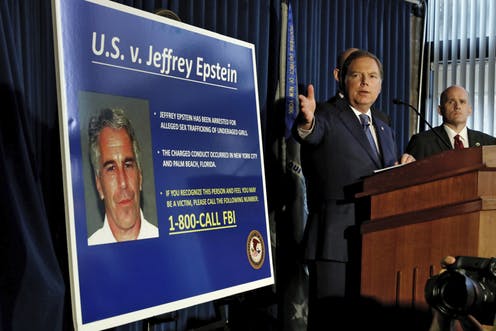
The U.S. Congress voted overwhelmingly to compel the release of unclassified Justice Department files related to the late Jeffrey Epstein, marking a significant bipartisan push for transparency. The House approved the measure 427-1, and the Senate quickly followed, clearing the way for the bill to reach President Donald Trump. A White House official confirmed Trump now plans to sign the legislation, despite previously opposing it for months.
Trump’s sudden reversal came amid rising political pressure and declining public approval. A recent Reuters/Ipsos poll showed only one in five voters approved of his handling of the Epstein issue, with support among Republicans dropping to 44%. The controversy has intensified scrutiny of Trump’s past social ties with Epstein, whom he described as a “sick pervert” he expelled from his club years ago.
Before the vote, survivors of Epstein’s abuse gathered at the Capitol, urging lawmakers to release the documents. Many held photos of themselves at the ages when they say Epstein first targeted them. After the vote, they applauded emotionally from the House gallery.
Trump has repeatedly denied any involvement in Epstein’s crimes and has attempted to frame the scandal as a “Democratic hoax,” even as prominent Republicans demanded transparency. Representative Thomas Massie, who led the bipartisan effort, accused the Justice Department of shielding powerful individuals and called for accountability, insisting the measure would only be successful “when rich men are in handcuffs.”
The debate also strained Trump’s relationship with Representative Marjorie Taylor Greene, who said the president pressured her to withdraw support for the resolution. She publicly rejected his criticism, stating that demanding justice for Epstein’s victims is an act of patriotism, not betrayal.
Epstein, a wealthy financier with high-profile connections, previously served 13 months in jail after a 2008 conviction. In 2019, he faced federal sex trafficking charges before being found dead in a Manhattan jail, a death ruled a suicide.







