


 Israel Intercepts Gaza-Bound Aid Ships Far from Its Shores Amid Ongoing Blockade
  US Proposes Maritime Freedom Construct to Secure Strait of Hormuz Shipping
  US Ties UN Funding to Reforms and Efforts to Counter China’s Influence
  Trump Administration Dismisses Entire National Science Board, Raising Concerns Over Scientific Independence
  Trump Signals Prolonged Blockade Strategy Against Iran Amid Rising Tensions
  Taiwan Independence Explained: History, Status, and Rising China Tensions
  Ghana Rejects U.S. Health Deal Over Data Sharing Concerns Amid Foreign Aid Shift
  US-China Talks Put Taiwan at Center of Rising Geopolitical Tensions
  US House Advances $70 Billion Immigration Enforcement Budget Plan
  US-Iran War Costs Hit $25 Billion as Political Pressure Mounts
  Sinaloa Governor Ruben Rocha Denies U.S. Cartel Allegations, Calls Charges Political
  Trump-Iran War Strategy: U.S. Intelligence Weighs Risks of Declaring Victory
  US-Iran Conflict Escalates Amid Oil Blockade and Rising Global Tensions
  Kevin Warsh Advances Toward Fed Chair Role Amid Political Tensions
  Iraq Reaffirms Commitment to OPEC as UAE Exits Amid Global Energy Tensions
  U.S. Envoy Julie Davis to Retire Amid Ukraine War Diplomacy Challenges


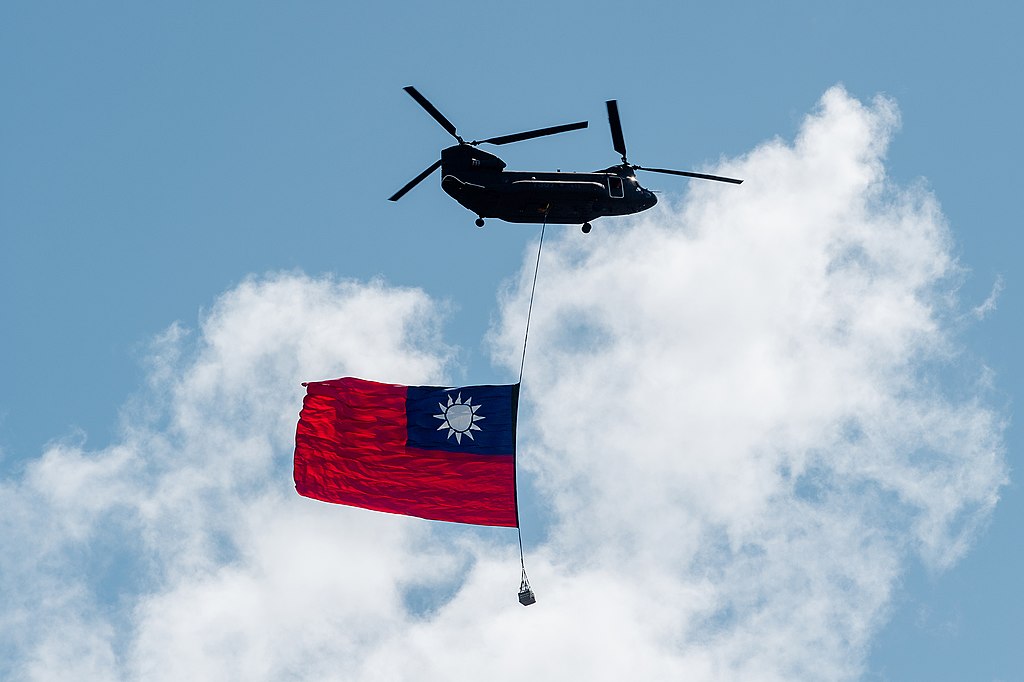
China’s recent large-scale military exercises around Taiwan were part of a broader political and psychological campaign aimed at countering rising international support for the island while diverting attention from Beijing’s domestic economic challenges, according to Taiwan’s top security agency.
In a report submitted to Taiwan’s Parliament and reviewed by Reuters, the National Security Bureau said the drills, officially named “Justice Mission 2025,” carried strong political intent. During the exercises, China fired dozens of rockets toward areas near Taiwan and deployed a significant number of warships and military aircraft in surrounding waters and airspace. The activity disrupted regional stability, forced the cancellation of dozens of domestic flights in Taiwan, and raised serious concerns among allies in the Indo-Pacific region, as well as in Europe and the United States.
The report assessed that China’s most expansive war games to date were designed to push back against democratic countries that have increasingly voiced support for Taiwan. At the same time, Beijing was accused of attempting to redirect public frustration over economic slowdowns and social tensions at home into nationalist sentiment by framing the drills as resistance to “external interference.”
Taiwan’s security officials warned that China has intensified a “hybrid warfare” strategy combining military pressure, economic coercion, cyberattacks, and information warfare. According to the report, these efforts have been met with growing resistance from democratic partners, particularly the U.S. and European nations.
The document also referenced remarks made last year by Japanese Prime Minister Sanae Takaichi, who stated that an attack on Taiwan could constitute an existential threat to Japan. Taiwanese officials said this highlighted the increasing international consensus that security in the Taiwan Strait is directly linked to broader Indo-Pacific stability and the global order.
During the drills, China allegedly coordinated military activity with cyber operations and disinformation campaigns. Taiwan reported more than two million cyberattacks in the first two days alone, with hacking groups APT24 and BlackTech identified as major contributors. Additionally, nearly 19,000 controversial social media messages were disseminated by hundreds of coordinated accounts using state media, AI-generated content, and online troll networks to undermine confidence in Taiwan’s military, its president Lai Ching-te, and the United States.
China’s Taiwan Affairs Office defended the exercises as necessary to safeguard national sovereignty and territorial integrity, reiterating Beijing’s long-standing claim over Taiwan. Taipei continues to reject those claims, maintaining that Taiwan’s future can only be decided by its people.







