


 Taiwan Activates Backup Communications After Undersea Cable Break on Dongyin Island
  Trump Considers Reducing U.S. Troops in Germany Amid NATO Tensions
  Iraq Reaffirms Commitment to OPEC as UAE Exits Amid Global Energy Tensions
  Trump-Iran War Strategy: U.S. Intelligence Weighs Risks of Declaring Victory
  Trump Meets King Charles: “Two Kings” Moment Sparks Debate on Presidential Power
  U.S. Envoy Julie Davis to Retire Amid Ukraine War Diplomacy Challenges
  King Charles Reaffirms UK-US Alliance Amid Global Tensions
  US-Iran Conflict Escalates Amid Oil Blockade and Rising Global Tensions
  Trump Urges Iran to Sign Nuclear Deal Amid Ongoing Conflict and Port Blockade
  King Charles and Queen Camilla Honor 9/11 Victims During New York Visit Amid US-UK Tensions
  Former FBI Director James Comey Charged Over Alleged Threat Against President
  Trump Signals Major UFO Disclosure Coming Soon
  US Sanctions Target Iran’s Shadow Banking Network and Terror Financing
  Ghana Rejects U.S. Health Deal Over Data Sharing Concerns Amid Foreign Aid Shift
  Trump Signals Prolonged Blockade Strategy Against Iran Amid Rising Tensions
  Kevin Warsh Advances Toward Fed Chair Role Amid Political Tensions
  NYC Mayor Urges King Charles to Return Koh-i-Noor Diamond During U.S. Visit


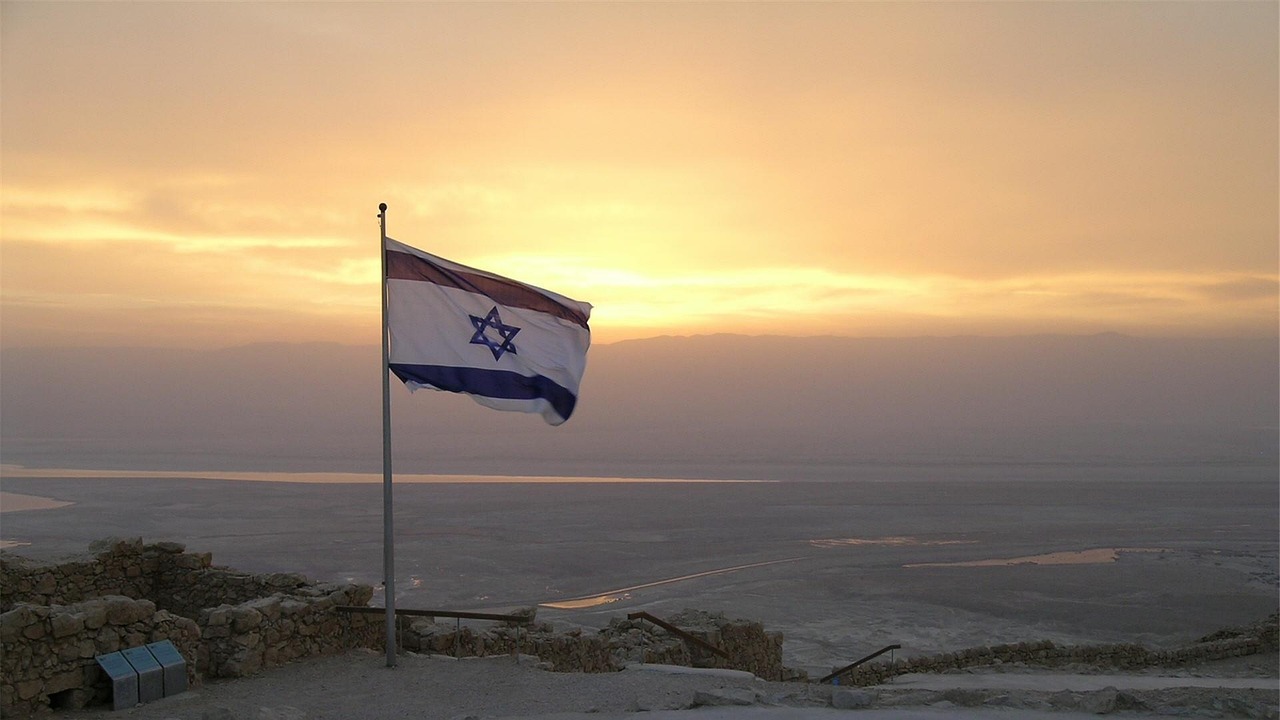
Israel has reportedly begun taking control of humanitarian aid ships bound for Gaza at locations far from its own coastline, according to Israeli army radio, which cited an unnamed Israeli source on Wednesday. While the report did not disclose the exact number of vessels involved or their specific positions, the development signals a tightening of enforcement surrounding the long-standing Gaza blockade.
The move comes shortly after a second humanitarian flotilla departed from Barcelona, Spain, on April 12. Organized to deliver essential supplies to Palestinians in Gaza, the mission aimed to challenge Israel’s naval blockade, which has been in place for years and continues to draw international attention. The flotilla carries aid intended to alleviate the worsening humanitarian conditions in Gaza, where access to basic necessities remains limited.
Israel has consistently defended its blockade as a security measure designed to prevent weapons from reaching militant groups operating in Gaza. However, critics argue that restricting aid shipments exacerbates the humanitarian crisis affecting civilians. The interception of aid ships in international waters, if confirmed, could further intensify global scrutiny and raise legal and diplomatic questions.
Humanitarian organizations and activists involved in the flotilla initiative have emphasized the urgency of delivering food, medicine, and other critical supplies to Gaza’s population. They view these missions as both relief efforts and symbolic protests against what they describe as restrictive policies limiting humanitarian access.
The situation continues to evolve, with observers closely monitoring how Israel’s actions may impact future aid deliveries and international responses. As tensions remain high in the region, the interception of Gaza-bound aid ships is likely to remain a focal point in discussions surrounding Middle East security, humanitarian law, and the ongoing Israeli-Palestinian conflict.
This development underscores the complex balance between national security concerns and humanitarian needs, making it a critical issue for policymakers, aid groups, and global audiences alike.







