


 Aker BP Q1 Profit Jumps on Higher Oil Prices and Asset Reversal
  Gold Prices Rise as Weaker Dollar and U.S.-Iran Peace Hopes Boost Demand
  Trump-Xi Meeting 2026: U.S.-China Trade Tensions Escalate Ahead of Beijing Summit
  Judge Delays SEC Settlement With Elon Musk Over Twitter Stock Disclosure Case
  Sony Forecasts Lower 2027 Profit Despite Strong Music and Sensor Growth
  AMD Q1 Earnings Surge on AI Demand, Stock Jumps After Strong Guidance
  Hua Hong Semiconductor Stock Surges to Multi-Year High Amid AI Boom
  China-Made Fireworks Power U.S. Independence Day Celebrations Amid Trade Truce
  Broadcom Eyes $35 Billion AI Chip Financing Deal With Apollo and Blackstone
  Apple Explores Intel and Samsung Partnerships to Diversify Chip Supply Chain
  Nike Tariff Refund Lawsuit Sparks Consumer Backlash Over Price Increases
  Lula and Trump Talks Signal New Phase in Brazil-US Relations
  CoreWeave Q1 2026 Revenue Surges as AI Infrastructure Demand Grows
  Iran-U.S. Peace Deal Near as Oil Prices Fall and Nuclear Disputes Persist
  BHP Attracts AI-Focused Investors as Copper Demand Surges
  Maersk Q1 Earnings Beat Expectations as Iran Conflict Clouds Shipping Outlook
  European Stocks Fall as US-Iran Conflict Rekindles Energy Supply Fears


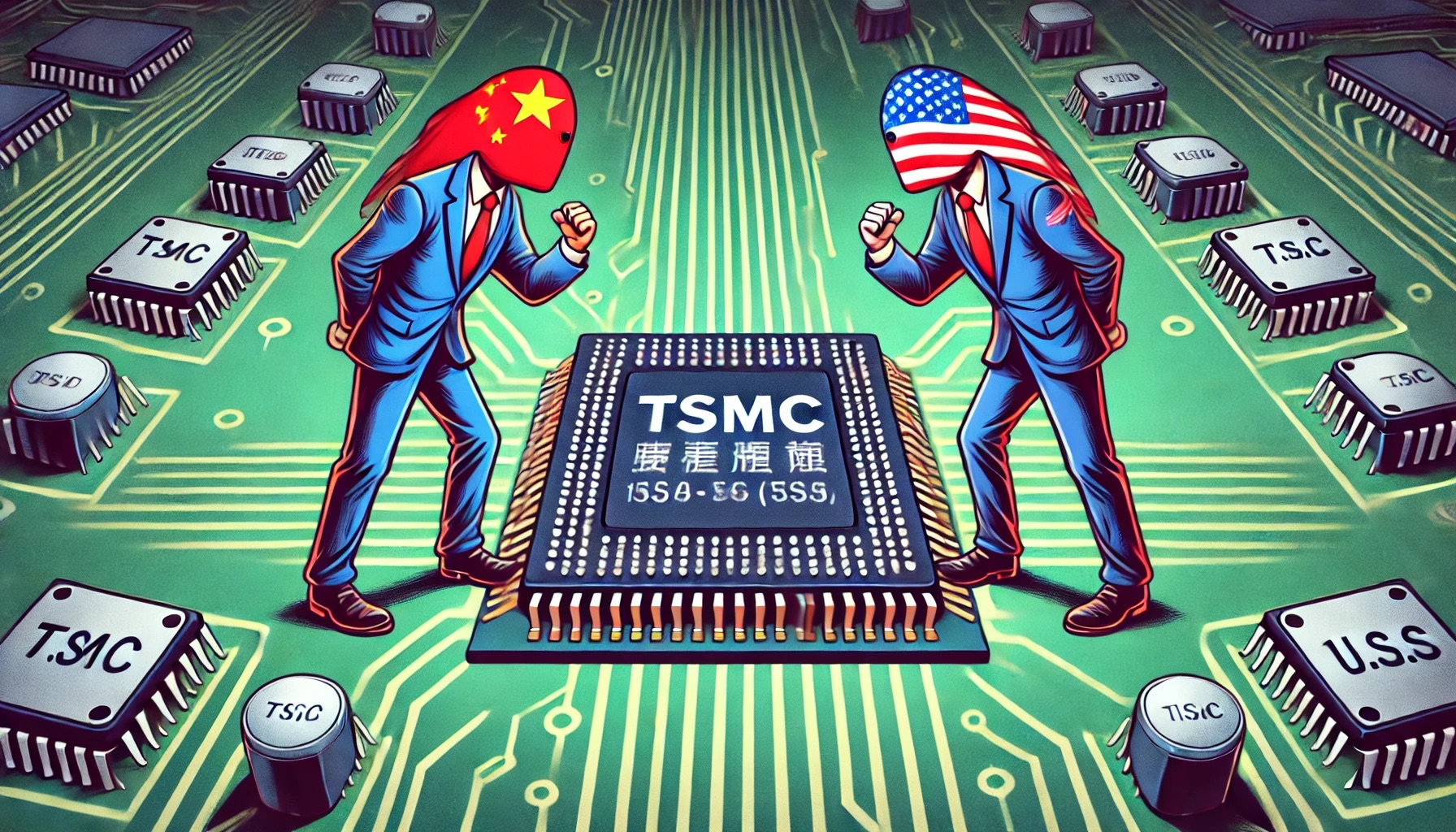
China’s Taiwan Affairs Office condemned recent U.S. restrictions on TSMC chip exports to Chinese firms, claiming the U.S. is weaponizing Taiwan’s tech industry to increase Taiwan Strait tensions. This statement marks China’s first official response to the export limits.
China Criticizes U.S. for Escalating Taiwan Tensions through Chip Restrictions
China's Taiwan Affairs Office stated on Wednesday that a United States directive to Taiwan Semiconductor Manufacturing Co. to block shipments of advanced chips to some Chinese clients demonstrated that the United States was "playing the Taiwan card" in order to increase tensions in the Taiwan Straits. The order was reported by Reuters.
According to Zhu Fenglian, a spokeswoman for China's Taiwan Affairs Office, the United States intended to make the situation with Taiwan even more difficult, and she stated that such a move would be detrimental to the interests of multinational corporations based in Taiwan. When she was at a news conference, she was questioned about the reports.
The remarks are the first public response from China following a report by Reuters on Sunday stating that the United States had instructed TSMC to comply with the order. An individual who is aware with the situation stated that TSMC had stopped the shipments beginning on Monday.
Advanced AI Chips at Center of U.S.-China Tech Dispute
Chips like this are frequently utilized in applications that include artificial intelligence. This comes at a time when members of both the Republican and Democratic parties have expressed concerns regarding the inadequacy of export controls on China and the enforcement of these limits by the Commerce Department, US News points out.
The United States Department of Commerce was informed by TSMC a few weeks ago that one of its chips had been discovered in a Huawei artificial intelligence processor.
Huawei, the Chinese technology giant that is at the core of the action taken by the United States, is on a restricted trade list. This means that suppliers are required to get permits in order to ship any goods or technology to Huawei.







