


 WTO Reform Talks Begin in Cameroon Amid Global Trade Tensions
  U.S. Oil Prices Slide as Middle East Ceasefire Talks Spark Market Optimism
  Bank of Japan Officials Signal Continued Interest Rate Hikes Amid Inflation Concerns
  Oil Prices Climb as Iran Reviews U.S. Peace Proposal Amid Middle East Tensions
  Trump Administration Opens Two New Investigations Into Harvard Over Discrimination and Antisemitism
  US-Iran Ceasefire Talks Underway: What You Need to Know
  Jay Bhattacharya to Continue Leading CDC as White House Searches for Permanent Director
  Bank of Japan Eyes April Rate Hike Despite Inflation Dip, ING Says
  Cuba Receives Humanitarian Aid Convoy Amid U.S. Sanctions
  Australia-EU Free Trade Deal Signed After Years of Negotiations
  Middle East War Rattles Global Markets as Oil Tops $100 and Dollar Surges
  Trump to Visit China in May for High-Stakes Xi Summit Amid Iran War
  G7 Foreign Ministers Gather in France Amid Global Tensions and U.S. Policy Uncertainty
  Asian Currencies Stay Muted as Dollar Holds Firm Amid Iran Uncertainty
  Trump Says Iran Offered Major Energy Concession Amid Ongoing Negotiations
  FEMA Reinstates $1 Billion Disaster Prevention Grant Program After Court Order
  Iran-Israel Missile Strikes Continue Amid Mixed Signals on U.S.-Iran Diplomacy


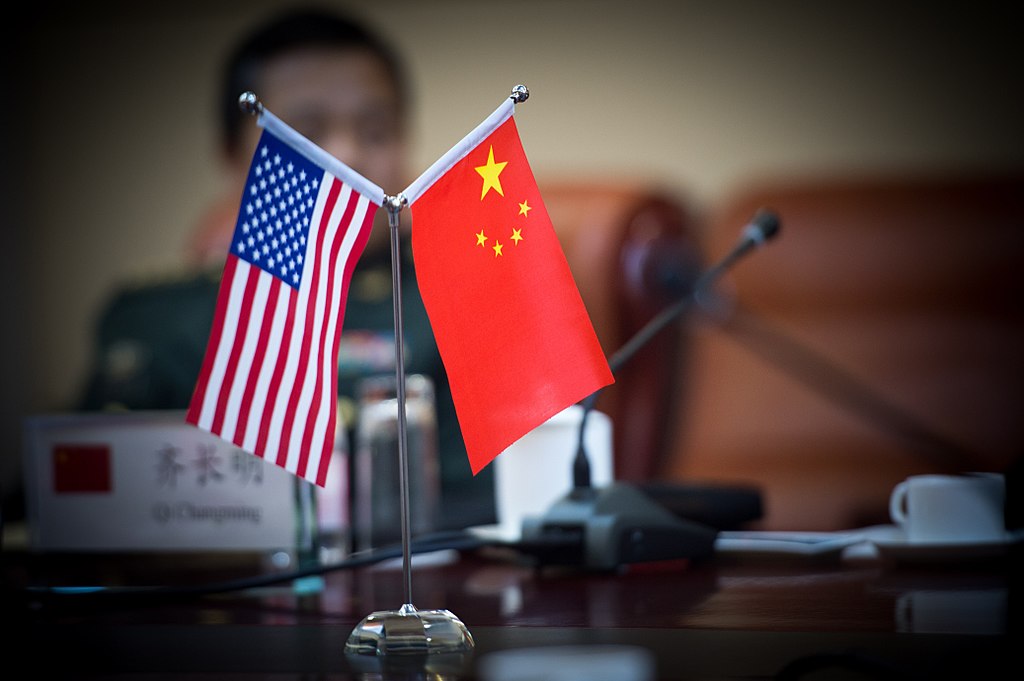
China is reportedly preparing new measures to control the flow of rare earth elements and other critical materials to the United States, according to a report by The Wall Street Journal. The initiative aims to create a “validated end-user” (VEU) system designed to restrict exports to companies linked to the U.S. military, while facilitating shipments to civilian firms.
This policy move underscores Beijing’s strategic leverage in the global rare earth market, where China remains the world’s dominant supplier. Rare earth elements are vital for producing a wide range of products, from smartphones and electric vehicles to advanced military technologies and renewable energy equipment.
The proposed VEU system will enable China to identify and approve buyers that qualify for streamlined imports, ensuring faster access for non-military enterprises. At the same time, it will allow Beijing to tighten control over firms with both civilian and defense contracts—potentially complicating supply chains for U.S. manufacturers reliant on these materials.
The decision also aligns with Chinese President Xi Jinping’s pledge to U.S. President Donald Trump to resume rare earth exports to the American market, signaling a partial easing of trade restrictions. However, analysts suggest that the system could serve as a tool for China to maintain influence over critical supply chains while appearing cooperative on the international stage.
In response, Washington has intensified efforts to diversify its rare earth sources, securing new agreements with allied nations. Notably, Australian company Lynas Rare Earths Ltd (ASX:LYC)—the largest rare earth producer outside China—has become a key player in the U.S. strategy to reduce dependence on Chinese supply.













