


 US to Withdraw 5,000 Troops from Germany Amid Growing Rift with European Allies
  TikTok Nears $400 Million Settlement With Trump Administration Over Child Privacy Lawsuit
  White House Withdraws Trump’s National Park Service Nominee Amid Criticism
  US Adds European Union to Section 301 Watchlist Amid Trade Concerns
  China Banks Halt New Loans to Sanctioned Refineries Amid U.S.-Iran Oil Crackdown
  Trump Inspects Lincoln Memorial Reflecting Pool Renovation in Washington
  Judge Rules DOGE Humanities Grant Cuts Unconstitutional
  Russia Downs Over 50 Drones Near Moscow Ahead of Victory Day Ceasefire
  Trump Says U.S. Navy Destroyers Passed Strait of Hormuz Under Iranian Fire
  Dominican Republic Halts GoldQuest Mining Project Amid Environmental Protests
  Ukraine-Russia Ceasefire Confirmed as Prisoner Swap Deal Advances
  UN Experts Condemn Trump’s Cuba Fuel Blockade Amid Deepening Energy Crisis
  China-Made Fireworks Power U.S. Independence Day Celebrations Amid Trade Truce
  Ghana Rejects U.S. Health Deal Over Data Sharing Concerns Amid Foreign Aid Shift
  Vietnam Plans AI-Driven Propaganda Push With Influencers and Podcasts
  U.S. Fast-Tracks $8.6 Billion Arms Sales to Middle East Allies Amid Rising Tensions
  US Sanctions Target Iran’s Shadow Banking Network and Terror Financing


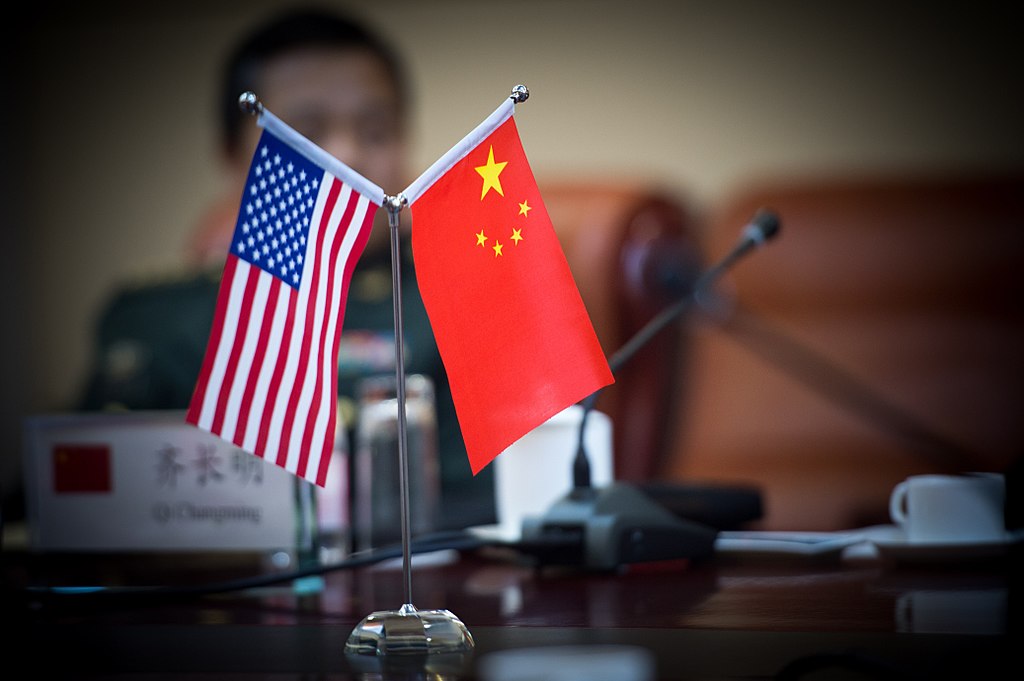
China has announced new visa restrictions on select U.S. personnel over their actions concerning Tibet, intensifying diplomatic tensions between the two countries. The decision, revealed during a regular press briefing by the Chinese Foreign Ministry on Monday, comes in direct response to recent U.S. visa restrictions targeting Chinese officials accused of limiting foreign access to Tibetan regions.
The United States had previously criticized Beijing for barring U.S. diplomats, journalists, and international observers from traveling freely in Tibet. Washington called for “unrestricted access” to the region, condemning China’s lack of transparency and human rights practices. In turn, Chinese Foreign Ministry spokesperson Lin Jian reiterated that Tibet-related matters are an internal affair and accused the U.S. of "abusing visa restrictions" in a way that "seriously violates international law."
Lin emphasized that Tibet remains open to foreign visitors under specific conditions, including group travel and pre-approved permits. Diplomats and journalists must still receive local government authorization. “China welcomes friendly people from other countries to visit, travel, and do business in Tibet,” Lin said, while stressing opposition to foreign interference on grounds of human rights, religion, or culture.
Tibet has long been a contentious issue in U.S.-China relations. China took control of Tibet in 1950, referring to it as a “peaceful liberation.” However, human rights groups and Tibetan exiles often describe China’s governance as repressive, citing religious restrictions and cultural assimilation policies.
The tit-for-tat visa actions reflect ongoing geopolitical friction between Washington and Beijing, with Tibet remaining a flashpoint in broader debates over sovereignty, human rights, and international access. The latest moves are likely to deepen tensions as both nations continue to assert competing narratives over Tibet’s status and treatment.







