


 Fed’s Williams Signals One More Rate Hike Before Year-End
  U.S. Stock Futures Fall as Iran, Oil and AI Risks Rattle Markets
  BOJ Signals Faster Rate Hikes as Inflation Risks Grow
  U.S. Stock Futures Steady as AI, Rate Concerns Weigh
  BlackRock’s Rick Rieder Favors Bonds Over Stocks as Treasury Yields Surge
  US Alcohol Ban Exposes Canada’s Internal Trade Barriers
  Global Central Banks Brace for More Rate Hikes as Inflation Risks Rise
  South Korea Exports Set for 16th Monthly Gain on AI Chip Demand
  US Dollar Hits Two-Month High as Aussie, Pound Slide
  Central Banks Could Buy 20,000 Tonnes of Gold: BofA
  Oil Prices Slide as Middle East Flows Recover
  RBI Uses $10 Billion Currency Swaps to Drain Excess Rupee Liquidity
  Japan Warns Markets Over Yen Weakness


 Add as a preferred source on Google
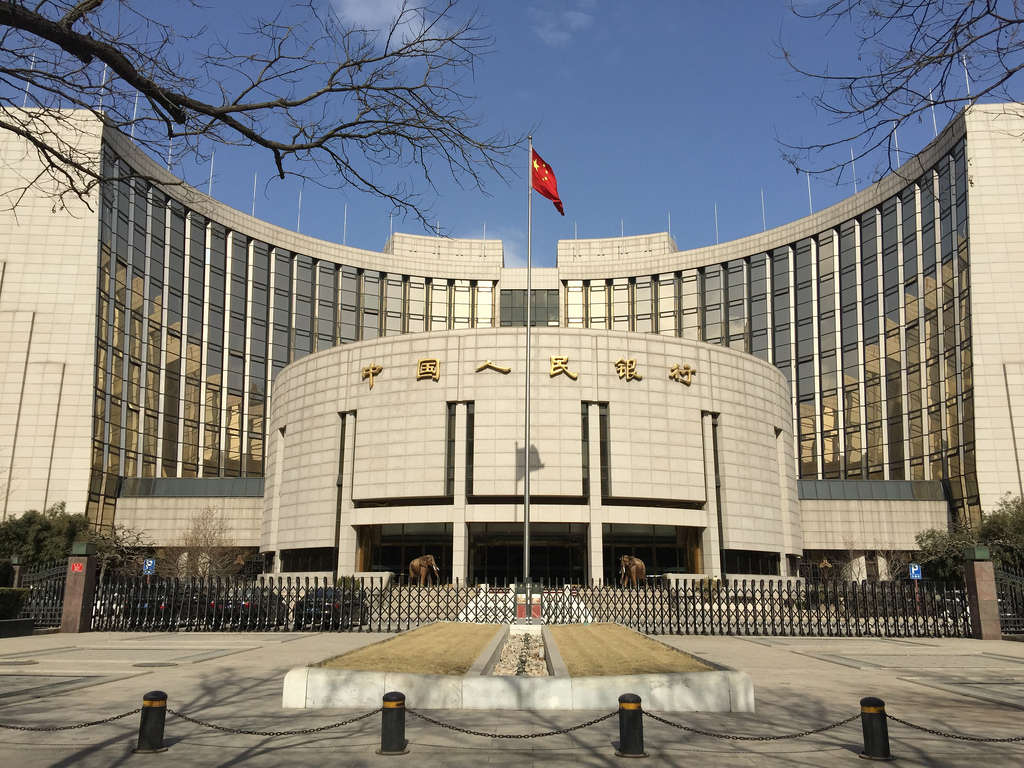
China has kept its benchmark lending rates unchanged for the fourth consecutive month in September, reflecting a cautious approach to monetary easing despite mixed economic signals. The People’s Bank of China (PBOC) maintained the one-year Loan Prime Rate (LPR) at 3.0% and the five-year LPR at 3.5%, aligning with market expectations.
The decision follows the central bank’s move last week to keep the seven-day reverse repo rate — now its key policy rate — steady. A Reuters survey of 20 market participants indicated unanimous predictions that Beijing would hold rates unchanged, even after recent weak economic data.
August figures showed factory output and retail sales growing at their slowest pace in over a year, underscoring domestic economic challenges. However, resilient exports, easing U.S.-China trade tensions, and a stock market rally have reduced pressure on Beijing to accelerate monetary easing. The Shanghai Composite Index remains near decade-high levels, supported by investor optimism.
Geopolitical developments are also shaping expectations. U.S. President Donald Trump announced progress on a TikTok deal with President Xi Jinping, with plans for a face-to-face meeting in South Korea in six weeks to discuss trade, illicit drug issues, and global conflicts, including the war in Ukraine.
Analysts suggest more policy easing could still be on the horizon. Barclays forecasts a 10-basis-point policy rate and LPR cut, along with a 50-basis-point reduction in banks’ reserve requirement ratio (RRR) in Q4 if growth pressures persist. Societe Generale echoed similar views, pointing to the upcoming fourth plenum in October as a key policy event where China will review its 15th Five-Year Plan.
While Beijing has signaled restraint, economists remain watchful for further easing measures to stabilize growth in the months ahead.







