


 Asian Markets Surge as Japan Election, Fed Rate Cut Bets, and Tech Rally Lift Global Sentiment
  U.S.-India Trade Framework Signals Major Shift in Tariffs, Energy, and Supply Chains
  Asian Stocks Slip as Tech Rout Deepens, Japan Steadies Ahead of Election
  RBI Holds Repo Rate at 5.25% as India’s Growth Outlook Strengthens After U.S. Trade Deal
  Gold and Silver Prices Climb in Asian Trade as Markets Eye Key U.S. Economic Data
  Australian Household Spending Dips in December as RBA Tightens Policy
  Dollar Near Two-Week High as Stock Rout, AI Concerns and Global Events Drive Market Volatility
  Oil Prices Slip as U.S.-Iran Talks Ease Middle East Tensions
  Trump Lifts 25% Tariff on Indian Goods in Strategic U.S.–India Trade and Energy Deal
  Indian Refiners Scale Back Russian Oil Imports as U.S.-India Trade Deal Advances
  Nikkei 225 Hits Record High Above 56,000 After Japan Election Boosts Market Confidence
  UK Starting Salaries See Strongest Growth in 18 Months as Hiring Sentiment Improves
  U.S. Stock Futures Rise as Markets Brace for Jobs and Inflation Data
  Vietnam’s Trade Surplus With US Jumps as Exports Surge and China Imports Hit Record
  Japanese Pharmaceutical Stocks Slide as TrumpRx.gov Launch Sparks Market Concerns


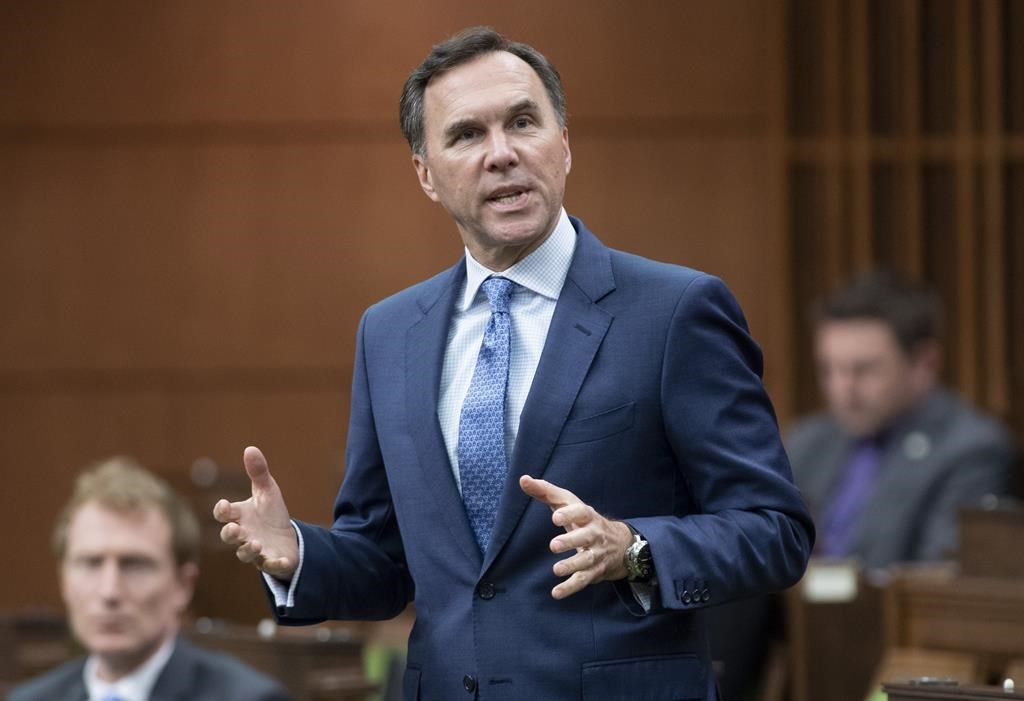
Analysts say Canada should focus on implementing measures to boost economic growth and incentives to get people back to work instead of managing its budget deficit.
Due to the country's growing debt, Fitch downgraded Canada's rating over a week ago.
Craig Wright, the chief economist at Royal Bank of Canada, says that the only solution for large deficits is growth, which requires a pro-growth action plan.
He added that government spending should be toward the "economy of the future" than the "economy of the past."
Further stimulus measures such as a green growth strategy and investing in infrastructure, such as smart infrastructure, would be necessary.
Michael Heydt, DBRS' lead sovereign analyst on Canada, said that fiscal policymakers should be sure that a recovery is underway before they tackle debt consolidation.
He also warned about the potential structural damage to the country's economy if the slowdown lingers.
CIBC Capital Markets's Royce Mendes, a senior economist, said that it is an apparent mistake for the country to turn too quickly toward austerity as its economy requires more support.
With Canada's economy expected by the IMF to contract by 8.4 percent this year, the country is rolling out over C$150 billion in direct economic aid, including financial assistance to workers impacted by the pandemic.
Canada lost triple-A ratings in June when Fitch downgraded it for the billions of dollars it has allocated to help counter the COVID-19-triggered downturn.
Fitch expects Canada's government debt to rise from 88.3 percent in 2019 to 115.1 percent of GDP in 2020.
The country was able to retain its highest debt rating from Moody's, Standard & Poor's, and DBRS.
On Wednesday, Canadian Finance Minister Bill Morneau will outline the current balance sheet to show a new official deficit estimate.













