


 Ghana Rejects U.S. Health Deal Over Data Sharing Concerns Amid Foreign Aid Shift
  Trump Expands Cuba Sanctions Targeting Key Sectors and Foreign Entities
  Russian LNG Shadow Fleet Expands Amid Arctic LNG 2 Sanctions
  US Sanctions Target Iran’s Shadow Banking Network and Terror Financing
  China-Made Fireworks Power U.S. Independence Day Celebrations Amid Trade Truce
  Trump Announces Russia-Ukraine Ceasefire for May 9-11 Amid Ongoing Peace Talks
  Trump Inspects Lincoln Memorial Reflecting Pool Renovation in Washington
  Senate Stablecoin Bill Sparks Clash Between Banks and Crypto Industry
  Pope Leo Calls for Peace as Vatican Seeks Better Ties With U.S.
  U.S. Fast-Tracks $8.6 Billion Arms Sales to Middle East Allies Amid Rising Tensions
  U.S.-China Beef Trade Deal Hopes Rise Ahead of Trump-Xi Summit
  Trump-Xi Beijing Summit to Focus on Trade, Taiwan, and Boeing Deal
  Lula and Trump Talks Signal New Phase in Brazil-US Relations
  Google Secures Pentagon AI Deal for Classified Projects
  US Adds European Union to Section 301 Watchlist Amid Trade Concerns
  Trump Says U.S. Navy Destroyers Passed Strait of Hormuz Under Iranian Fire
  Trump Administration Releases New UFO Files and Apollo Mission Records


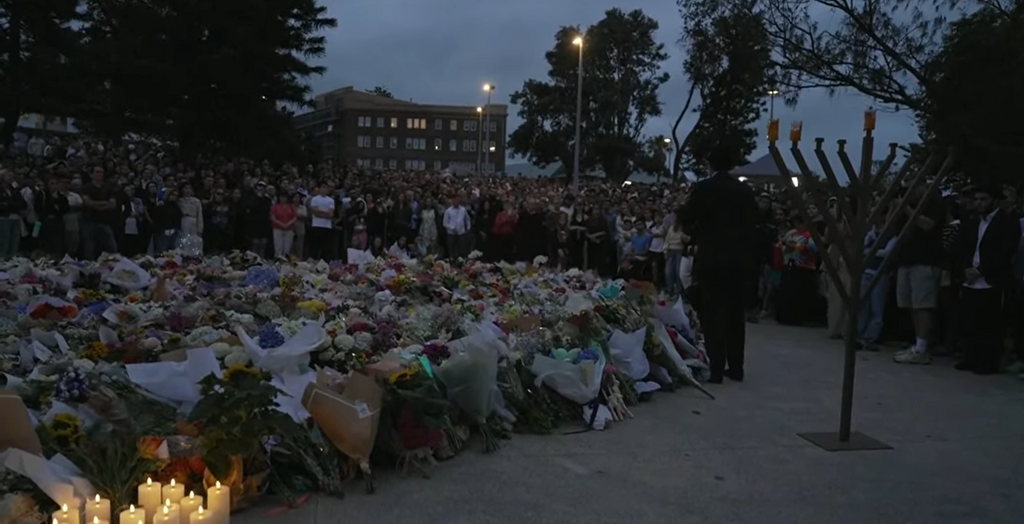
Australia’s most populous state, New South Wales, is set to introduce significantly tougher gun laws alongside new measures targeting terrorism and public protests, following a deadly mass shooting in Sydney’s Bondi area. The state parliament’s lower house passed the Terrorism and Other Legislation Amendment Bill during an emergency late-night session on Monday, prompted by widespread public outrage after the attack. The legislation is expected to pass the upper house shortly, with support from the opposition Liberal Party.
The proposed reforms include strict limits on firearm ownership, capping most individual gun licences at four firearms, while allowing farmers to own up to ten. These measures are designed to tighten oversight of gun ownership and reduce the risk of mass violence. The shooting, which occurred during a Jewish Hanukkah celebration on December 14, left 15 people dead and dozens injured, shocking the nation and intensifying calls for stronger action against gun violence and antisemitism.
Police confirmed that one of the alleged gunmen, 50-year-old Sajid Akram, who was shot dead by officers, legally owned six firearms. His 24-year-old son, Naveed, has been charged with 59 offences, including murder and terrorism-related crimes. The incident has renewed scrutiny of Australia’s firearms registry, which revealed that more than 70 licence holders in New South Wales each own over 100 guns, with one individual reportedly possessing nearly 300 firearms.
Despite Australia’s strict gun laws introduced after the 1996 Port Arthur massacre, critics argue that loopholes still exist. A Sydney Morning Herald poll found that approximately 75% of Australians support tougher gun control, highlighting strong public backing for reform. However, the rural-focused Nationals Party has opposed the changes, claiming they would unfairly impact farmers and regional communities.
At the federal level, the Australian government has pledged additional reforms, including tighter gun controls and a potential gun buyback scheme. Prime Minister Anthony Albanese has resisted calls for a royal commission into the Bondi attack, instead announcing an independent review of intelligence and law enforcement agencies to deliver faster answers. The government says swift action is essential to restore public confidence and address rising concerns over extremism and public safety.







