


 Brazil Pension Fund Crackdown After Banco Master Collapse Raises Investment Concerns
  CDC Monitors U.S. Travelers After Hantavirus Outbreak on Luxury Cruise Ship
  China Banks Halt New Loans to Sanctioned Refineries Amid U.S.-Iran Oil Crackdown
  TikTok Nears $400 Million Settlement With Trump Administration Over Child Privacy Lawsuit
  Trump Reportedly Approves Plan to Remove FDA Commissioner Marty Makary Amid Growing Controversies
  Rubio Approves $25.8 Billion Weapons Sale to Middle East Allies
  Ghana Rejects U.S. Health Deal Over Data Sharing Concerns Amid Foreign Aid Shift
  US House Advances $70 Billion Immigration Enforcement Budget Plan
  Pope Leo Calls for Peace as Vatican Seeks Better Ties With U.S.
  US-Iran Ceasefire Under Pressure as Fresh Strait of Hormuz Clashes Shake Oil Markets
  Trump-Xi Beijing Summit to Focus on Trade, Taiwan, and Boeing Deal
  Russia Downs Over 50 Drones Near Moscow Ahead of Victory Day Ceasefire
  Australia’s Wealthy Donors Shift Support to One Nation Amid Conservative Party Decline
  Panama Defends Port Takeover Amid U.S.-China Tensions and Canal Dispute
  US Adds European Union to Section 301 Watchlist Amid Trade Concerns
  Australia Launches Public Hearings on Bondi Beach Shooting and Rising Antisemitism
  Trump Administration Dismisses Entire National Science Board, Sparking Debate Over Scientific Independence


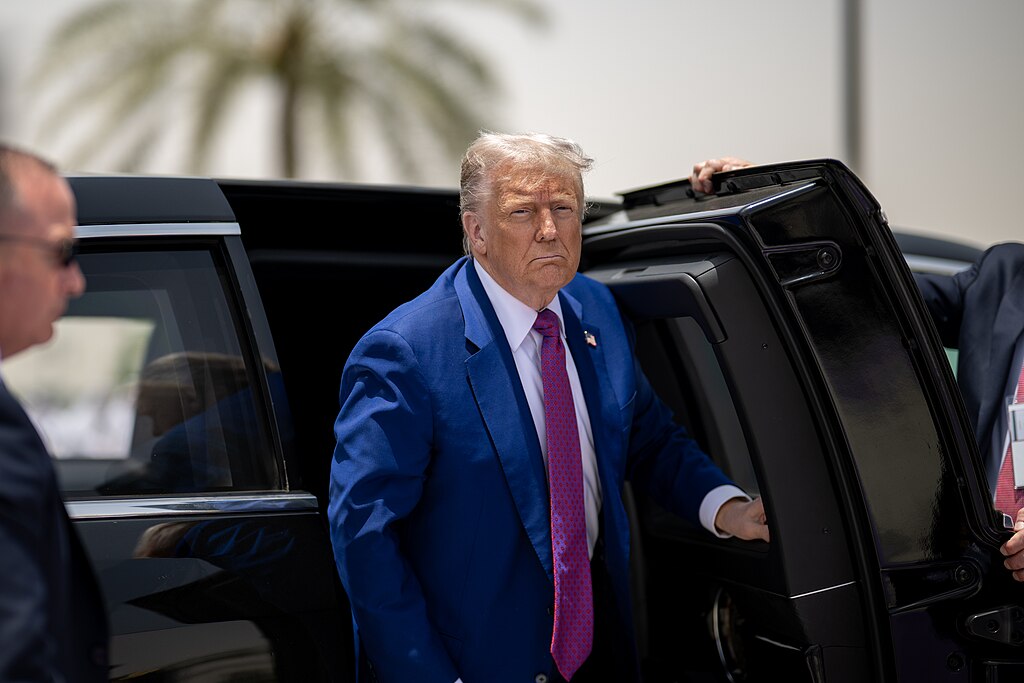
The Trump administration has recalled nearly 30 U.S. ambassadors and senior career diplomats from overseas posts, a move officials say aligns embassies more closely with the president’s “America First” foreign policy, but which critics argue could weaken U.S. credibility abroad and disrupt diplomatic continuity.
According to people familiar with the matter, those recalled were primarily career Foreign Service officers serving as ambassadors in smaller countries, where nonpolitical diplomats have traditionally represented the United States. The State Department declined to release a list of affected diplomats, citing standard personnel practices. A senior department official, speaking on condition of anonymity, said ambassadorial recalls are a routine part of any new administration, emphasizing that ambassadors serve as personal representatives of the president and are expected to advance his policy agenda.
However, the recalls have drawn sharp criticism from diplomats and lawmakers. The American Foreign Service Association, which represents career foreign service officers, said it was working to verify which members were affected after reports that some diplomats were notified by phone without explanation. AFSA spokesperson Nikki Gamer described the process as “highly irregular,” warning that abrupt and unexplained recalls undermine morale, effectiveness, and U.S. standing overseas.
Politico previously reported that roughly two dozen ambassadors were instructed to leave their posts, citing a State Department official. While recalled diplomats were encouraged to seek new roles within the department, critics say the move reflects a broader effort by President Trump to install loyalists in key positions during his second term, after facing resistance from career officials during his first term.
Senator Jeanne Shaheen, the top Democrat on the Senate Foreign Relations Committee, strongly criticized the decision, particularly as nearly 80 ambassadorial positions remain unfilled. In a post on X, Shaheen warned that removing experienced career ambassadors risks ceding global influence to rivals like China and Russia, arguing the move makes the United States “less safe, less strong and less prosperous.”
The State Department declined to comment on Gamer’s remarks. The policy shift, reported by Reuters, has fueled debate over the balance between political leadership and professional diplomacy, raising questions about the long-term impact on U.S. foreign policy and international relationships as the administration reshapes the diplomatic corps to reflect its priorities.







