


 Gold Prices Climb Above $5,200 as Iran War Uncertainty and Inflation Data Loom
  Dollar Stabilizes Amid Iran War Uncertainty as Oil Prices Remain Elevated
  Asian Stock Markets Rise as Oil Prices Pull Back; U.S. CPI in Focus
  IEA Releases Record 400 Million Barrels of Oil Amid U.S.-Iran War
  U.S. Markets Slip Amid Iran Conflict Uncertainty as Oil Prices Retreat
  Dollar Steadies as Traders Await Clarity on U.S.-Israel-Iran War
  Bank of Japan Expected to Hold Rates at 0.75% Before June Hike Amid Middle East War Uncertainty
  Trump Administration Launches Trade Investigations Against 16 Countries Over Industrial Overcapacity
  Venezuela Names Paula Henao as New Oil Minister Amid U.S.-Led Industry Overhaul
  U.S. Solar Market Contracts in 2025 as Trump Rolls Back Renewable Energy Incentives
  RBA Set for Back-to-Back Rate Hikes, Westpac Forecasts
  U.S.-Israel War on Iran Sends Crude Oil Prices Surging Amid Strait of Hormuz Tensions
  U.S. Futures Slide as Oil Prices Surge on Middle East Shipping Attacks
  Dollar Strengthens Amid Oil Price Surge and Inflation Fears
  Asian Markets Retreat as Oil Prices Surge Toward $100 Amid Middle East Tensions
  Iran-Israel War Sparks Global Oil Crisis as Tankers Burn in Gulf Waters


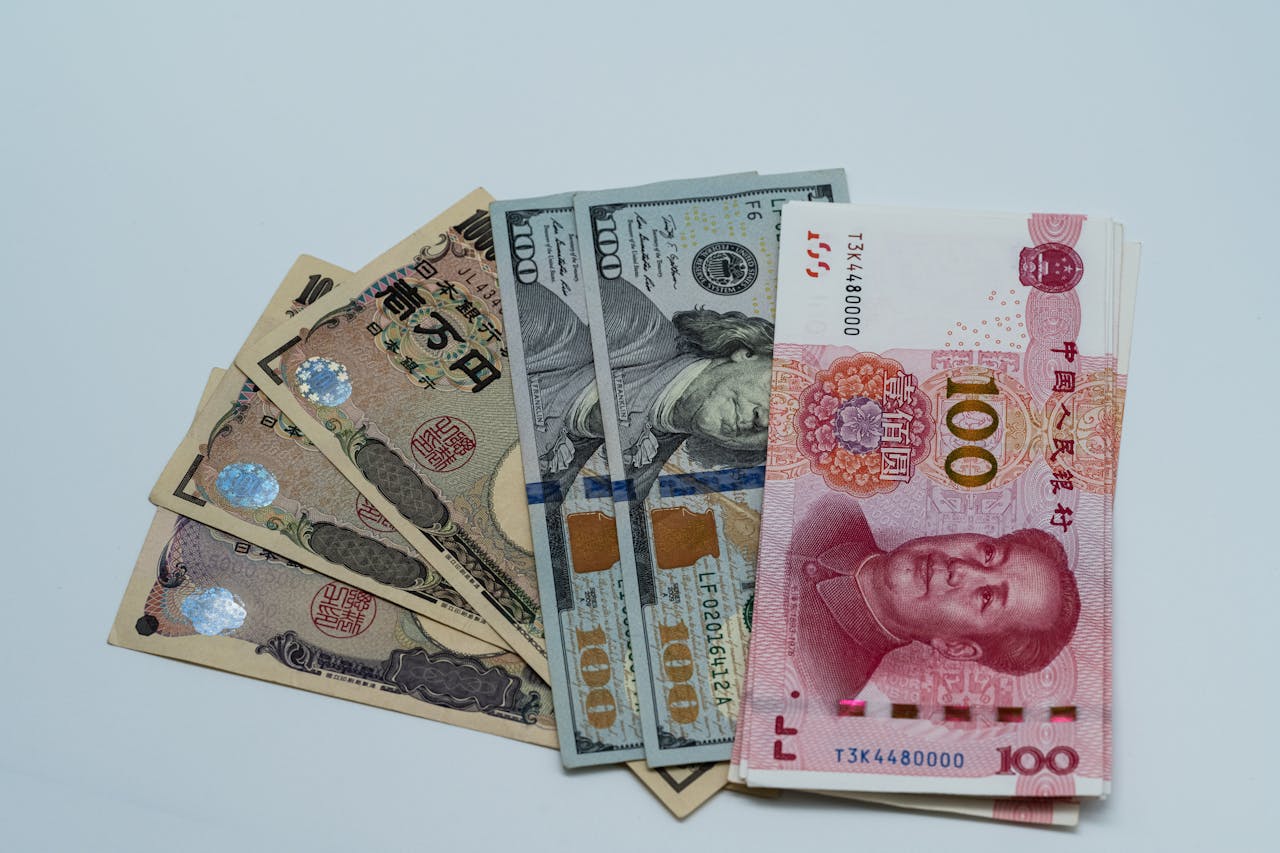
The Japanese yen edged slightly higher on Tuesday, supported by broad U.S. dollar weakness and the strongest warning yet from Japanese authorities that Tokyo stands ready to intervene if currency moves become excessive. Despite the modest rebound, the yen remains close to recent lows against major currencies, reflecting ongoing pressure from monetary policy divergence.
The yen last traded around 156.77 per U.S. dollar, after gaining about 0.4% in the previous session. This followed a slide to an 11-month low of 157.78 on Friday, shortly after the Bank of Japan delivered a widely anticipated rate hike. While the move marked another step away from ultra-loose policy, the BOJ’s cautious guidance suggested that further rate hikes in 2025 are likely to be gradual, limiting near-term yen strength.
Japanese Finance Minister Satsuki Katayama told Bloomberg News that Japan has full flexibility to respond to excessive yen moves, reinforcing recent verbal intervention aimed at deterring further depreciation. Analysts say this rhetoric is keeping speculative pressure in check for now. Market strategist Matt Simpson of StoneX noted that if authorities were to intervene, the low-liquidity period between Christmas and New Year could maximize the impact, though he added that action may be unlikely unless the dollar breaks above the 159 level decisively.
The yen also firmed slightly against the euro and British pound in early Asian trading, though it continues to hover near multi-month lows. Japan previously intervened to support the yen in both 2022 and 2024, highlighting policymakers’ sensitivity to sharp currency moves.
Meanwhile, the U.S. dollar remained under pressure after the Federal Reserve cut interest rates earlier this month and signaled the possibility of further easing in 2026. The dollar index slipped to around 98.18, on track for its steepest annual decline since 2017. Analysts at MUFG believe the dollar has peaked and entered a multi-year downtrend, which could reduce one-way yen weakness over time.
Investor attention now turns to delayed U.S. GDP data, expected to show solid growth before the government shutdown, though markets are unlikely to react strongly. In other currency moves, the euro, sterling, Swiss franc, Australian dollar, and New Zealand dollar all traded firmer against the greenback, underscoring the broader theme of dollar softness.













