


 U.S. Patriot Missiles Redeployed From South Korea Amid Middle East Conflict
  U.S. and Russia Hold Diplomatic Talks in Florida Amid Ongoing Tensions
  Israel-Iran War: Herzog Urges Patience as U.S. and Israeli Strikes Intensify
  Iran-Israel War Sparks Global Oil Crisis as Tankers Burn in Gulf Waters
  Trump Hints at Possible U.S. Takeover of Cuba Amid Deepening Humanitarian Crisis
  Trump-Putin Call Addresses Iran War, Ukraine Peace, and Global Oil Crisis
  Iran's Government Remains Stable Despite U.S. and Israeli Strikes, Intelligence Shows
  Japan's BOJ Independence Under Fire as PM Takaichi's Rate Stance Draws Political Heat
  Shots Fired at U.S. Consulate in Toronto in Suspected National Security Incident
  U.S. Calls for Reassessment of International Aid to Taliban-Ruled Afghanistan
  FBI Warns of Possible Iranian Drone Attacks on California Amid U.S.-Iran War
  Taiwan's MQ-9B SkyGuardian Drone Order Stays on Schedule Despite Middle East Conflict
  U.S. Senate Greenlights AI Chatbots for Official Staff Use
  Bipartisan Housing Bill Advances in Senate, Aims to Tackle U.S. Affordability Crisis
  IEA Releases Record 400 Million Barrels of Oil Amid U.S.-Iran War
  Trump Doubts Iran Mining Reports as Strait of Hormuz Tensions Escalate
  U.S.-Israel War on Iran Sends Crude Oil Prices Surging Amid Strait of Hormuz Tensions


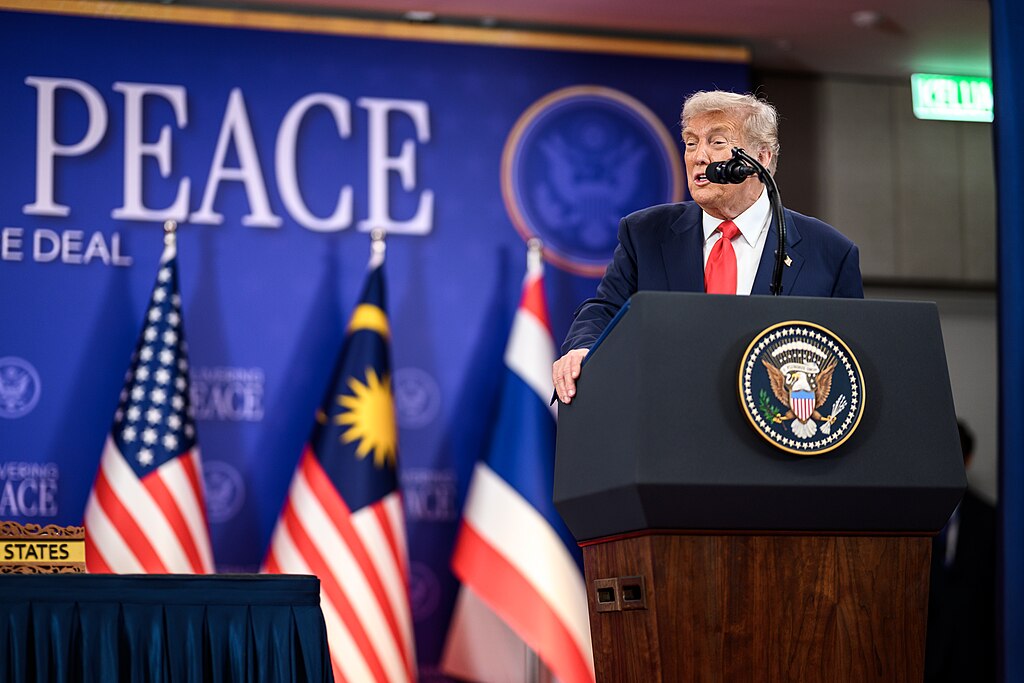
U.S. President Donald Trump announced on Monday an ambitious proposal for the United States Navy to begin building a new class of advanced battleships, a move that could significantly reshape the future of American naval power. According to Trump, the proposed warships would be larger, faster, and exponentially more powerful than any warship ever built by the United States, marking a dramatic leap in military capability.
Speaking about the plan, Trump said the new battleships would be “100 times more powerful” than existing U.S. naval vessels, emphasizing cutting-edge technology, enhanced firepower, and superior speed. The initiative would reportedly begin with the construction of two battleships, serving as the foundation for what could eventually expand into a fleet of 20 to 25 new vessels. If implemented, the project would represent one of the most significant naval expansion efforts in modern U.S. history.
The announcement aligns with Trump’s long-standing focus on strengthening the U.S. military and restoring what he has often described as America’s dominance on the global stage. He has repeatedly argued that investing heavily in defense infrastructure is essential to maintaining national security and deterring potential adversaries. The proposed battleships would likely incorporate advanced weapons systems, next-generation propulsion technology, and enhanced defensive capabilities to counter emerging threats.
While the plan has generated attention for its scale and ambition, it also raises questions about cost, feasibility, and strategic necessity. Modern naval warfare has largely shifted toward aircraft carriers, submarines, and unmanned systems, leading some defense experts to debate the role of traditional battleships in today’s military landscape. However, proponents argue that a new, technologically superior class of battleships could provide unmatched firepower and serve as a powerful symbol of U.S. military strength.
As details remain limited, the proposal is expected to spark further discussion among lawmakers, defense analysts, and military leaders. If approved and funded, the project could have long-term implications for the U.S. defense industry, job creation, and America’s position in global maritime security.













