


 BlackRock’s Rick Rieder Favors Bonds Over Stocks as Treasury Yields Surge
  Asian Stocks Fall as Oil Surge, Bond Yields and AI Concerns Hit Markets
  Central Banks Could Buy 20,000 Tonnes of Gold: BofA
  Asian Chip Stocks Tumble as OpenAI Safety Pause Sparks AI Growth Concerns
  Yen Sinks as BOJ Rate Hike Fails to Impress Markets
  RBA Hikes Interest Rate to 4.60% as Inflation Risks Rise
  Trump Eyes $54 Billion South Korean Investment in Alaska LNG
  BOJ Set for Rate Hike as Inflation and Yen Pressure Mount
  RBI Uses $10 Billion Currency Swaps to Drain Excess Rupee Liquidity
  UK Housebuilder Stocks Surge on New First-Time Buyer Loan Scheme
  Fed’s Williams Signals One More Rate Hike Before Year-End
  RBA Says ASX Still Falls Short on Governance and Risk Controls


 Add as a preferred source on Google
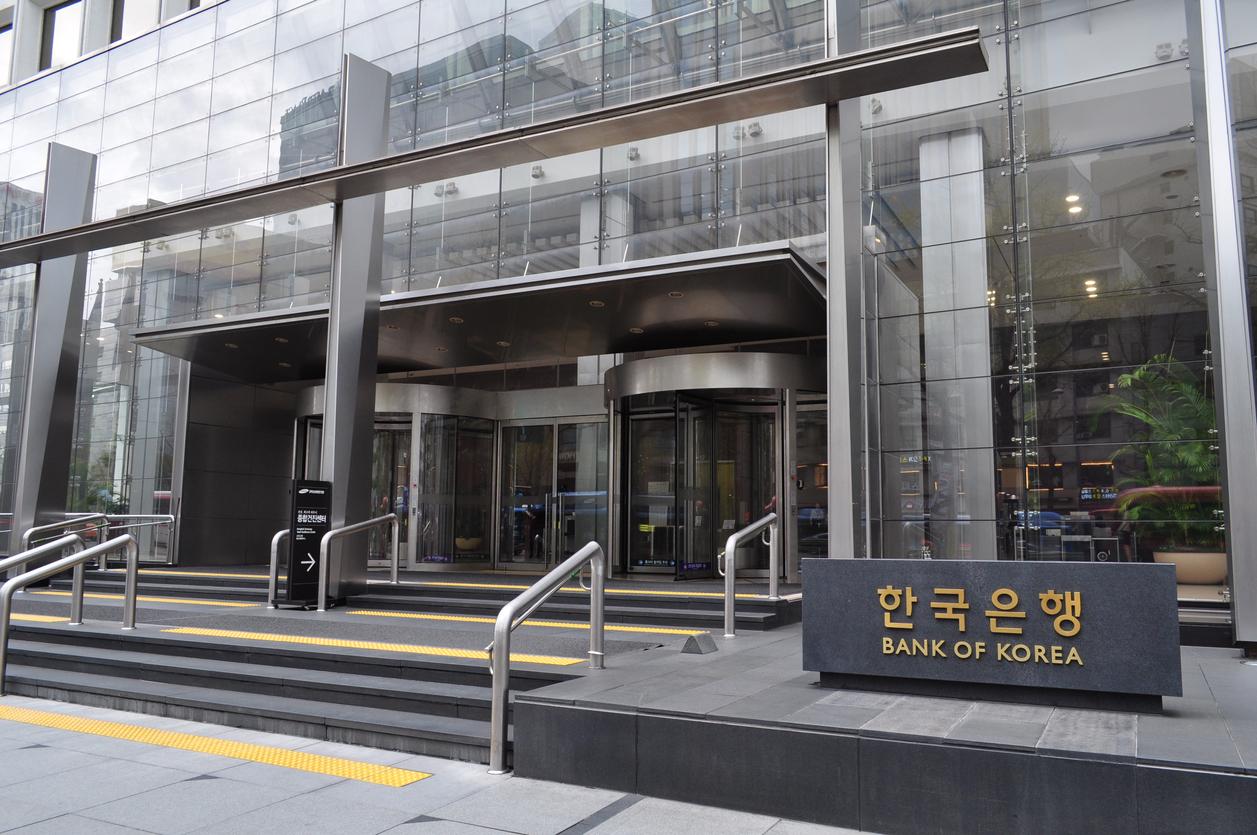
South Korea’s central bank has warned that it must remain cautious about growing financial stability risks, as volatility in the won currency intensifies and house prices continue to rise. A member of the Bank of Korea’s (BOK) monetary policy board said on Tuesday that sharp movements in financial markets are adding pressure to the broader economy, underscoring the need for careful policy coordination.
Chang Yong-sung, one of the seven members of the BOK’s monetary policy board, noted that volatility has increased across both financial and foreign exchange markets. He highlighted sharp swings in stock prices and the comparative weakness of the South Korean won as key areas of concern. His comments were released alongside the central bank’s semiannual financial stability report, which assesses risks facing the financial system.
The won weakened further on Tuesday, hitting 1,483.5 per dollar, its lowest level since early April. The currency has fallen more than 8% in the second half of 2025, reflecting global market uncertainty and reduced confidence in risk-sensitive assets. Currency weakness has narrowed the central bank’s room to maneuver, especially as policymakers balance growth support with financial stability.
Chang also warned that credit risks remain elevated in certain vulnerable sectors of the economy. In addition, he pointed to persistently rising house prices as a major risk factor, suggesting that prolonged increases could amplify household debt and financial imbalances if left unchecked.
In its financial stability report, the Bank of Korea said it would continue to closely monitor risk factors within the financial system. The central bank added that it stands ready to proactively implement market-stabilizing measures if necessary, while noting that most indicators related to foreign exchange conditions remain broadly stable for now. It also emphasized that monetary policy would remain closely coordinated with macroprudential policies to manage systemic risks more effectively.
The BOK held interest rates steady at its last meeting, marking the fourth consecutive decision to keep rates unchanged. Officials signaled that the current rate cut cycle may be nearing its end, as sustained weakness in the won limits the scope for further easing. Following the November meeting, the central bank rolled out several currency stabilization measures to help calm markets. The Bank of Korea’s next monetary policy meeting is scheduled for January, when investors will be watching closely for signals on future rate and currency policy direction.







