


 Iran-Israel War Sparks Global Oil Crisis as Tankers Burn in Gulf Waters
  Iran-U.S. Oil Tensions Escalate as Revolutionary Guards Threaten Strait of Hormuz Blockade
  After the Iran war, Persian Gulf nations face tough decisions on the US – a former diplomat explains
  Nations will release an extra 400 million barrels of oil to the market. All we need to do now is not panic at the pump
  UK Housing Market Slows Amid Geopolitical Tensions and Mortgage Rate Fears
  ANZ and Westpac Forecast Two RBA Rate Hikes in March and May 2026


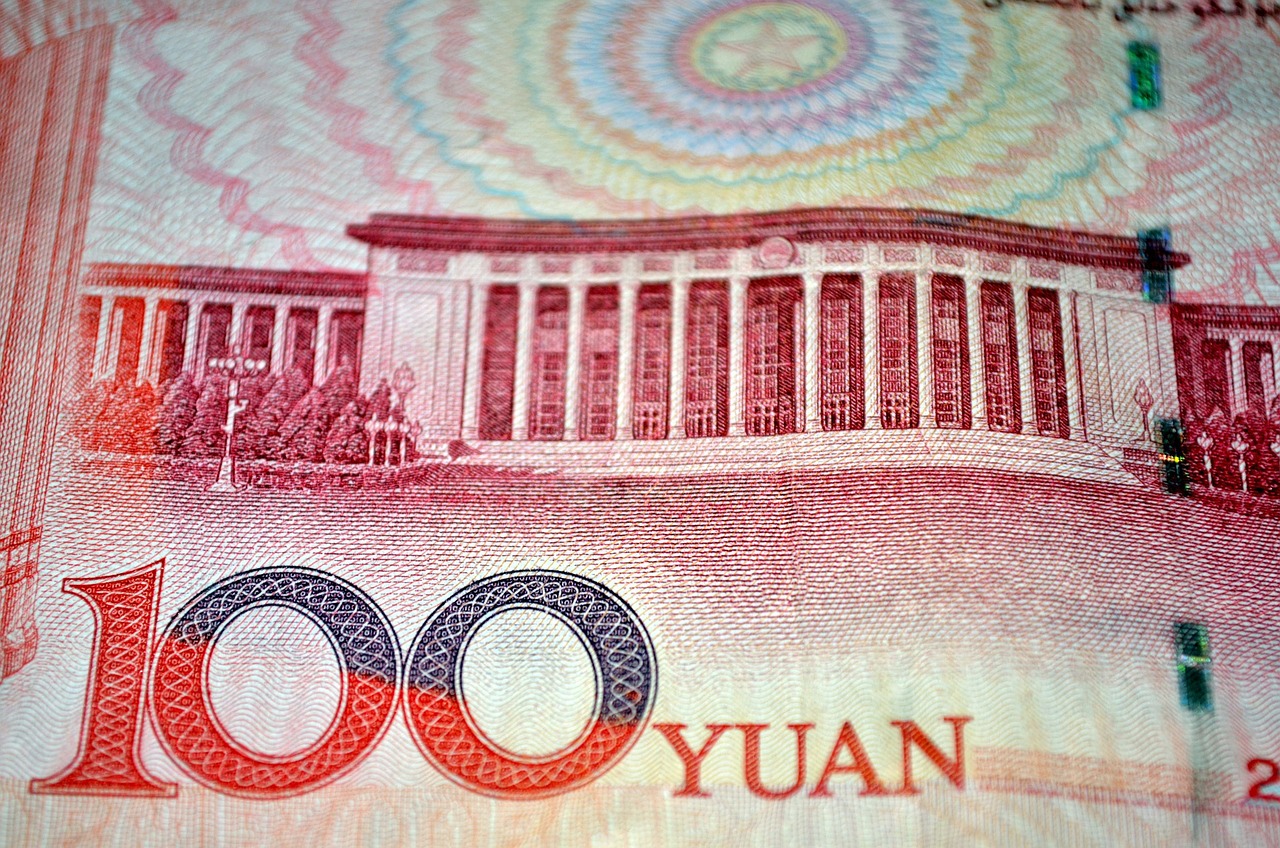
Global investors and borrowers are increasingly turning to the Chinese yuan as lending and financing activity accelerates, driven by attractive pricing and China’s long-term push to internationalize its currency. Yuan-denominated lending at Chinese banks is now close to overtaking overseas dollar loans, highlighting a structural shift in global funding preferences rather than a short-term arbitrage trend.
China’s overseas bank lending has tripled over the past four years to around 2.52 trillion yuan, while both onshore and offshore yuan bond issuance remains at or near record levels for the second consecutive year. Bankers and investors cite low yuan interest rates as a key driver, especially as U.S. rates remain elevated. However, market participants increasingly see genuine, long-term demand for renminbi assets rather than purely tactical trades.
International investors are allocating more capital to yuan-denominated debt, encouraged by stable currency management, competitive yields, and diversification away from dollar dominance. The yield gap between Chinese government bonds and U.S. Treasuries has widened sharply, making yuan funding significantly cheaper for issuers. Three-year panda bonds have been issued at yields well below comparable U.S. Treasury rates, enhancing their appeal.
Demand is also supported by geopolitical and trade considerations. As global trade becomes more regionalized, yuan liabilities are increasingly used in cross-border infrastructure financing, particularly within China’s Belt and Road Initiative. Countries including Indonesia, Kazakhstan, Kenya, and Ethiopia have issued or converted loans into yuan, reflecting practical demand for a currency increasingly used in trade with China.
While yuan-denominated international debt remains small compared to dollar and euro markets, its rapid growth signals progress in China’s strategy to reduce reliance on the dollar system. Analysts emphasize that Beijing is not seeking to replace the dollar outright but to build resilience by expanding the yuan’s role in global trade, lending, and capital markets.
With controlled currency stability, rising investor interest, and expanding real-world usage, yuan lending and bond issuance are likely to continue reaching new highs, reinforcing the renminbi’s growing presence on the global financial stage.













