


 Fed’s Williams Signals One More Rate Hike Before Year-End
  Asian Stocks Fall as Bond Yields and Oil Prices Surge
  Yen in Focus as BOJ, Fed Rate Hikes Reshape Currency Markets
  Gold Plunges 4% as Treasury Yields Surge and Fed Rate Hike Bets Rise
  XRP Price Targets $1.70 as Bullish Momentum Builds
  RBA Hikes Interest Rate to 4.60% as Inflation Risks Rise
  UK Housebuilder Stocks Surge on New First-Time Buyer Loan Scheme
  Trump Eyes $54 Billion South Korean Investment in Alaska LNG
  Gold Holds Near Seven-Week Low as Fed Rate Hike Bets Rise
  BlackRock’s Rick Rieder Favors Bonds Over Stocks as Treasury Yields Surge
  South Korea Exports Set for 16th Monthly Gain on AI Chip Demand
  BOJ Set for Rate Hike as Inflation and Yen Pressure Mount


 Add as a preferred source on Google
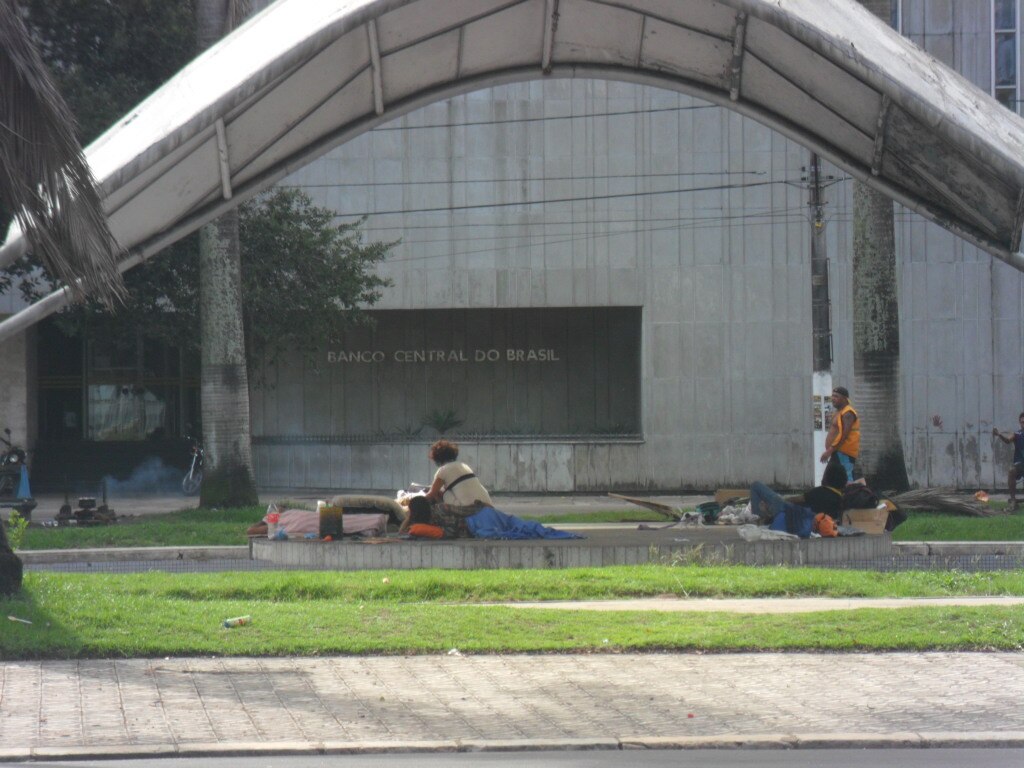
Brazil’s central bank left its benchmark Selic rate unchanged at 15% on Wednesday, marking the fourth straight meeting without a policy shift as inflation expectations continue to exceed the official target. The monetary policy committee (Copom), led by Gabriel Galipolo, delivered a unanimous decision that matched market forecasts and reinforced its commitment to a restrictive stance aimed at controlling persistent price pressures.
The Selic rate remains at its highest level in nearly twenty years following a cumulative 4.5 percentage-point tightening cycle carried out between September 2024 and June 2025. In its accompanying statement, the central bank noted that although recent inflation readings show some improvement, projections remain above desired levels. According to the latest Focus survey, inflation expectations sit at 4.4% for 2025 and 4.2% for 2026—both above the central bank’s target range and a signal that inflation expectations remain deanchored despite policy efforts.
Policymakers emphasized that the economic landscape is shaped by significant global uncertainties, including shifts in U.S. economic policy, tighter financial conditions, and growing geopolitical risks. Within Brazil, recent GDP figures point to moderating economic activity, even as the labor market continues to show resilience. Copom also highlighted several upside risks that could intensify inflation, such as the persistence of elevated services prices, stronger domestic demand, and the potential impact of domestic or international economic policy decisions. On the downside, a sharper-than-expected economic slowdown, weaker global growth, or a significant drop in commodity prices could help ease inflationary pressures.
The central bank added that it is closely watching U.S. tariff decisions affecting Brazilian exports as well as developments in Brazil’s fiscal policy. Officials reiterated that achieving inflation convergence will require maintaining a “significantly contractionary monetary policy for a very prolonged period,” given the combination of high inflation projections, robust economic conditions, and fragile expectations. Copom also signaled that while it intends to remain vigilant, it could adjust policy again if necessary—including the possibility of renewed rate hikes should inflation risks intensify.







