


 Paramount-Warner Bros. Discovery Merger Faces Lawsuit From 12 States
  SK Hynix Shares Drop After Strong Nasdaq Debut Despite $26 Billion ADR Listing
  Mastercard Explores Sale of Majority Stake in UK Payments Firm Vocalink: Report
  Apple Sues OpenAI, Former Employees Over Alleged Trade Secret Theft
  Oppenheimer Sees CNH Industrial as Top 2026 Agriculture Stock Pick on Dealer Consolidation Strategy
  Morgan Stanley Names Marks & Spencer Top European Retail Pick, Sees Strong Upside
  Stellantis Q2 Vehicle Shipments Rise 10% as North America Drives Growth
  AstraZeneca Shares Sink After Wainua Trial Misses Key Heart Disease Goal
  SK Hynix Soars 13% in Nasdaq Debut After Record $26.5 Billion IPO
  Nvidia Tightens AI Chip Sales in Asia With Stricter Customer Approval Process
  Yaskawa Electric Shares Slide as Weak Profit Overshadows Strong AI Demand
  DOJ Grand Jury Investigates UAW President Shawn Fain Ahead of Union Election
  Nippon Paint Reportedly Offers Up to €7.5 Billion for Akzo Nobel Decorative Paints Business
  Australia Flags Child Safety Gaps at Apple, Meta, Google Over Online Sexual Extortion
  TSMC Q2 Revenue Surges 36% as AI Chip Demand Powers Growth Ahead of Earnings
  UBS Starts CarTrade Tech With Buy Rating, Sees Strong Earnings Growth and ₹4,000 Target
  Genesis Minerals to Acquire Vault in A$5.6 Billion Deal After Regis Withdraws


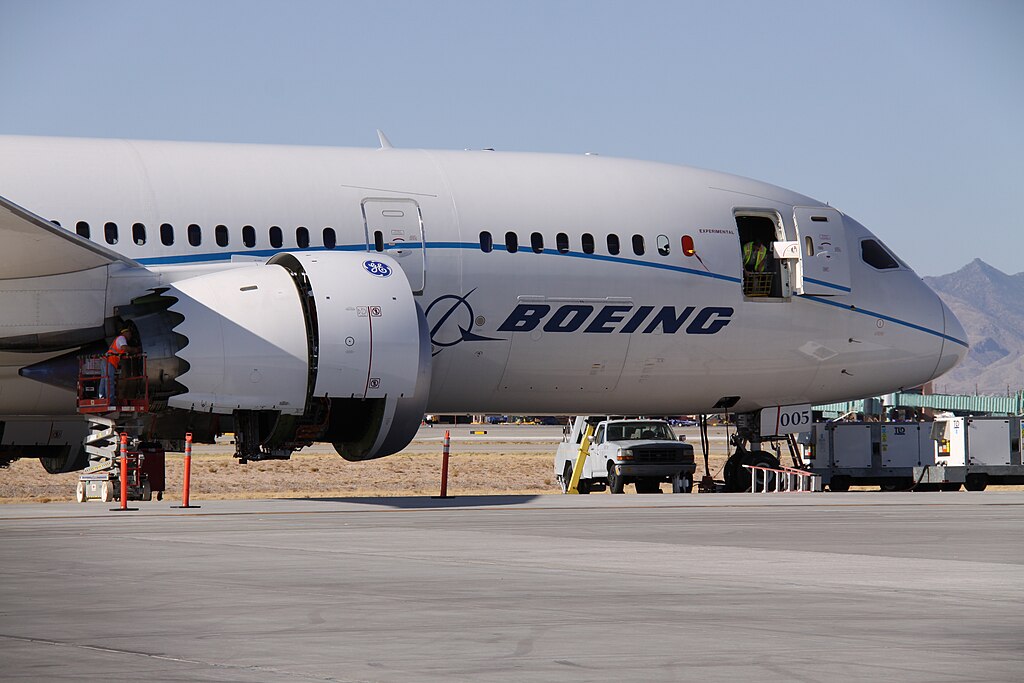
Boeing has reported significant quality improvements across its commercial airplane supply chain over the past two years, marking a critical step in strengthening aircraft production and safety standards. Speaking at the Pacific Northwest Aerospace Alliance (PNAA) supplier conference near Seattle, Ihssane Mounir, Boeing’s senior vice president for global supply chain and fabrication, revealed that the company now spends 40% fewer hours addressing supply chain-related issues compared to 2024.
The aerospace manufacturer has made measurable progress in reducing defects, particularly at Spirit AeroSystems, a key supplier responsible for producing 737 fuselages and structural components for multiple Boeing aircraft programs. According to Mounir, defects from Spirit have declined by 60% since Boeing implemented enhanced quality control inspections in 2024. These improvements come after a challenging period for Boeing, including the widely publicized 737 MAX door plug incident involving an Alaska Airlines flight in early 2024, which prompted the Federal Aviation Administration (FAA) to impose production caps on the planemaker.
Boeing’s decision to reacquire Wichita, Kansas-based Spirit AeroSystems in December has played a central role in regaining oversight of its aerospace supply chain. Spirit was originally spun off in 2005 when Boeing sold portions of its aerostructures manufacturing operations to investors. By bringing Spirit back under its corporate structure, Boeing has increased operational control, streamlined quality assurance processes, and strengthened collaboration across manufacturing teams.
Mounir described the reintegration of Spirit as a defining moment in his career, emphasizing the strategic importance of aligning suppliers closely with Boeing’s production goals. Quality issues at Spirit and other suppliers had previously slowed Boeing’s efforts to ramp up jetliner production following the COVID-19 pandemic. With defect rates declining and oversight improving, Boeing aims to stabilize output, rebuild regulatory confidence, and reinforce its position in the competitive global commercial aviation market.







