


 Trump Administration Spent $5.6 Billion in Munitions in Opening Days of Iran Strikes
  IEA Releases Record 400 Million Barrels of Oil Amid U.S.-Iran War
  Trump Announces New U.S. Oil Refinery in Texas with Indian Energy Giant Reliance
  Boeing Secures $289 Million Smart Bomb Contract With Israel
  Amazon Invests $535 Million in Brisbane Robotics Fulfillment Center
  U.S. Senate Greenlights AI Chatbots for Official Staff Use
  Costco Faces Class Action Lawsuit Over Tariff Refunds as Supreme Court Strikes Down Trump's IEEPA Tariffs
  Japan's BOJ Independence Under Fire as PM Takaichi's Rate Stance Draws Political Heat
  Joby Aviation Reaches Major Milestone in FAA Certification for Electric Air Taxi
  After the Iran war, Persian Gulf nations face tough decisions on the US – a former diplomat explains
  Iran-Israel War Sparks Global Oil Crisis as Tankers Burn in Gulf Waters
  Russian Drone Strikes Hit Kharkiv and Dnipro, Injuring Over 20 Civilians
  Bipartisan Housing Bill Advances in Senate, Aims to Tackle U.S. Affordability Crisis
  U.S. Patriot Missiles Redeployed From South Korea Amid Middle East Conflict
  Trump Doubts Iran Mining Reports as Strait of Hormuz Tensions Escalate
  Lockheed Martin Invests $150M in Alabama Missile Production Facility


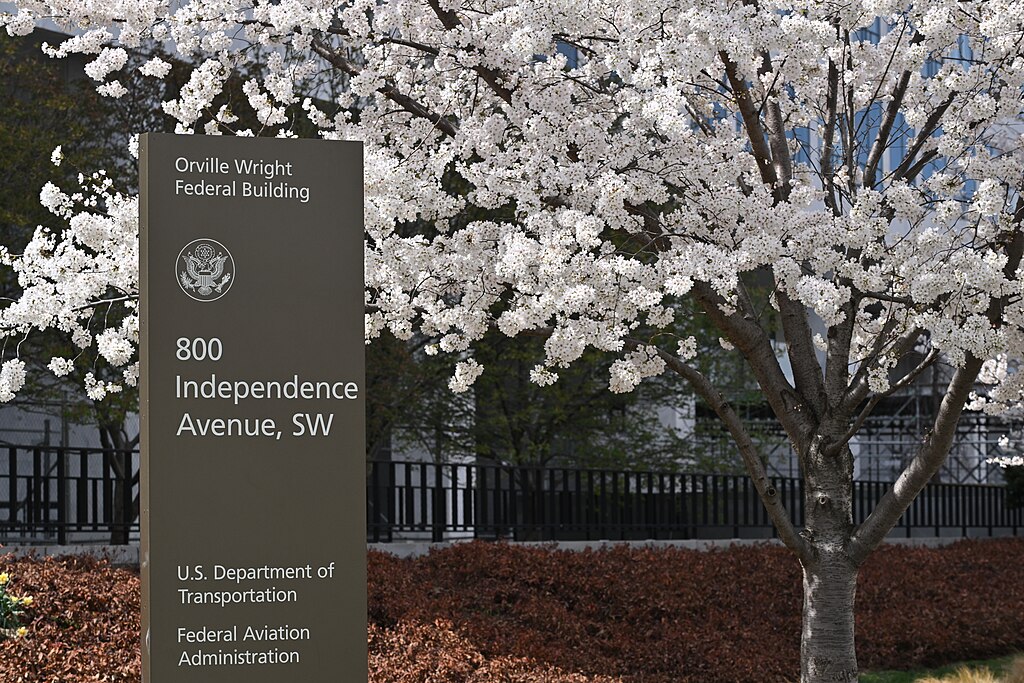
The Federal Aviation Administration has confirmed that its contract with national security firm Peraton, the project manager for a sweeping $12.5 billion modernization of the U.S. air traffic control system, is valued at $1.5 billion. The disclosure was made public Tuesday as part of a congressional presentation detailing the scope, cost, and progress of the long-awaited overhaul of the nation’s aging aviation infrastructure.
FAA Administrator Bryan Bedford told House lawmakers that the final contract price reflected a $200 million reduction negotiated in December by U.S. President Donald Trump from the original proposal. Peraton, which is owned by private equity firm Veritas Capital, is serving as the primary implementation and integration partner for the project. According to Bedford, the FAA always anticipated the need for a centralized partner to manage the complex modernization effort.
The newly released FAA presentation outlines an innovative, performance-based contract structure that includes a strict “No Excuses” clause. Under this framework, Peraton’s fees are earned or forfeited based on its ability to meet specific benchmarks tied to schedule adherence, quality standards, cost control, and overall management performance. The FAA says this approach is designed to ensure accountability and timely delivery.
A major focus of the air traffic control overhaul is migrating hundreds of legacy computer systems at 318 FAA facilities into a secure, cloud-based environment. Bedford emphasized that moving away from isolated, facility-level computers toward scalable cloud computing is critical to unlocking future airspace redesign and efficiency gains. He described cloud migration as a foundational step toward modernizing how U.S. airspace is managed.
As of December 31, the FAA has already obligated $1.6 billion toward the broader modernization program. Officials reported that 40% of telecommunications connections have been upgraded, replacing outdated copper wiring with fiber-optic and wireless systems. In addition, 612 new radar systems are scheduled for installation by June 2028 at a cost of $1.1 billion. Separate contracts include a $420 million deal with RTX, featuring up to $270 million in performance-based payments.
Congress approved the air traffic control modernization initiative in June, citing chronic airport congestion, recurring technology failures, and persistent flight delays. Transportation Secretary Sean Duffy has since requested an additional $19 to $20 billion to complete the overhaul and deploy a next-generation system.
The FAA continues to face significant workforce challenges, operating roughly 3,500 air traffic controllers below targeted staffing levels. Many controllers are working mandatory overtime and six-day weeks, while the FAA’s air traffic control academy reports a failure rate exceeding 30%. Bedford noted that the new funding framework allows the agency to finally adopt a multi-year modernization strategy, supported by a detailed scorecard tracking progress across reform efforts.













