


 SK Biopharmaceuticals Secures Global Rights to Biohaven Epilepsy Drug Opakalim
  HP Stock Drops 9% Despite Q3 Earnings Beat and Raised 2026 Outlook
  OpenAI Data Center Chief Chris Malone Exits Ahead of Planned 2027 Listing
  Shein Hong Kong IPO to Raise $1.7 Billion at $26.5 Billion Valuation
  PayPal Shares Sink as $50 Billion Takeover Bid Collapses
  BofA Names ASML Top Semiconductor Equipment Pick on Growth, Valuation
  Trump Buys SpaceX Shares After Record IPO
  SoftBank Plans Record $6.3 Billion Bond Sale to Fund OpenAI Investments
  Nvidia Pauses AI Cloud Financing Deals Amid Antitrust Concerns
  Salesforce Shares Surge as AI Demand Powers Q2 Earnings Beat
  Google Changes EU Spam Policy Amid Antitrust Scrutiny
  Yindjibarndi Appeals Fortescue Mining Compensation Ruling
  Nvidia Revenue Soars 106% as AI Demand Hits ‘Inflection Point’
  SoftBank Eyes $20 Billion Bond Sale to Refinance OpenAI Loan
  Alibaba Raises $10.2 Billion to Expand AI Infrastructure
  Trian Drops Wendy’s Take-Private Bid Plans, Shares Plunge 14%


 Add as a preferred source on Google
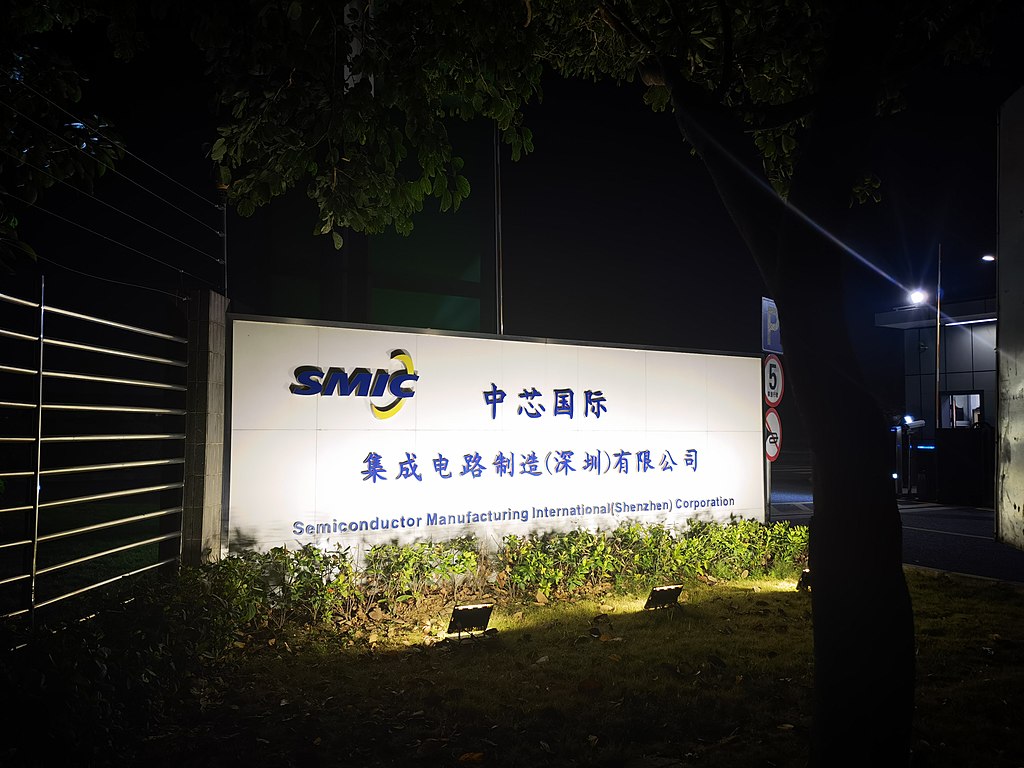
Shares of Semiconductor Manufacturing International Corp (HK:0981), China’s largest contract chipmaker, declined 3.6% to HK$68.95 in Hong Kong trading on Wednesday, underperforming the Hang Seng Index, which edged up 0.4%. The drop came as investors reacted to cautious guidance and rising cost pressures, despite the company reporting solid fourth-quarter earnings fueled by strong artificial intelligence (AI) demand.
SMIC posted a 60.7% surge in net profit for the fourth quarter, supported by robust domestic chip demand and accelerating growth in the AI sector. Revenue climbed nearly 13% year-over-year, reflecting increased orders tied to AI applications and advanced computing. The company has been a key beneficiary of Beijing’s push for semiconductor self-sufficiency, as China prioritizes locally manufactured chips to reduce reliance on foreign technology.
However, the upbeat earnings were overshadowed by a more conservative outlook. SMIC forecast flat revenue growth for the current quarter and warned that margins will face mounting pressure. The company expects depreciation costs to rise 30% in 2026 as it expands production capacity to meet surging semiconductor demand. Higher operating expenses and ongoing investments in fabrication facilities are likely to weigh on profitability.
Co-CEO Zhao Haijun highlighted additional challenges, noting that intense AI-driven demand for memory chips is straining overall supply. The resulting memory chip shortage is increasing costs for manufacturers, particularly in the consumer electronics sector. This imbalance in chip supply and demand could further pressure margins across the broader semiconductor industry.
The cautious commentary also impacted other Chinese semiconductor stocks. Hua Hong Semiconductor Ltd (HK:1347), Cambricon Technologies Corp Ltd (SS:688256), and Moore Threads Technology Co Ltd (SS:688795) declined between 1% and 2% following SMIC’s announcement.
While SMIC continues to benefit from China’s expanding AI ecosystem and semiconductor localization strategy, investors remain watchful of cost inflation, capacity expansion risks, and ongoing supply chain constraints shaping the chipmaking industry in 2026.







