


 Iran-U.S. Oil Tensions Escalate as Revolutionary Guards Threaten Strait of Hormuz Blockade
  IEA Releases Record 400 Million Barrels of Oil Amid U.S.-Iran War
  RBA Rate Decision: Deputy Governor Signals Genuine Debate Ahead of March Meeting
  IEA Plans Record Emergency Oil Release Amid Iran Strait of Hormuz Crisis
  Iran-Israel War Sparks Global Oil Crisis as Tankers Burn in Gulf Waters
  Dollar Stabilizes Amid Iran War Uncertainty as Oil Prices Remain Elevated
  Nations will release an extra 400 million barrels of oil to the market. All we need to do now is not panic at the pump
  Venezuela Names Paula Henao as New Oil Minister Amid U.S.-Led Industry Overhaul
  China's Trade Surplus Surges Past Forecasts in Early 2026
  U.S. Futures Slide as Oil Prices Surge on Middle East Shipping Attacks
  Chinese AI Stocks Surge as Tencent, MiniMax, and Zhipu Launch Agentic AI Programs
  Dollar Strengthens Amid Oil Price Surge and Inflation Fears
  U.S.-Israel War on Iran Sends Crude Oil Prices Surging Amid Strait of Hormuz Tensions
  Gold Prices Climb Above $5,200 as Iran War Uncertainty and Inflation Data Loom
  UK Housing Market Slows Amid Geopolitical Tensions and Mortgage Rate Fears
  Diesel Price Surge Threatens Global Economy Amid Middle East Conflict


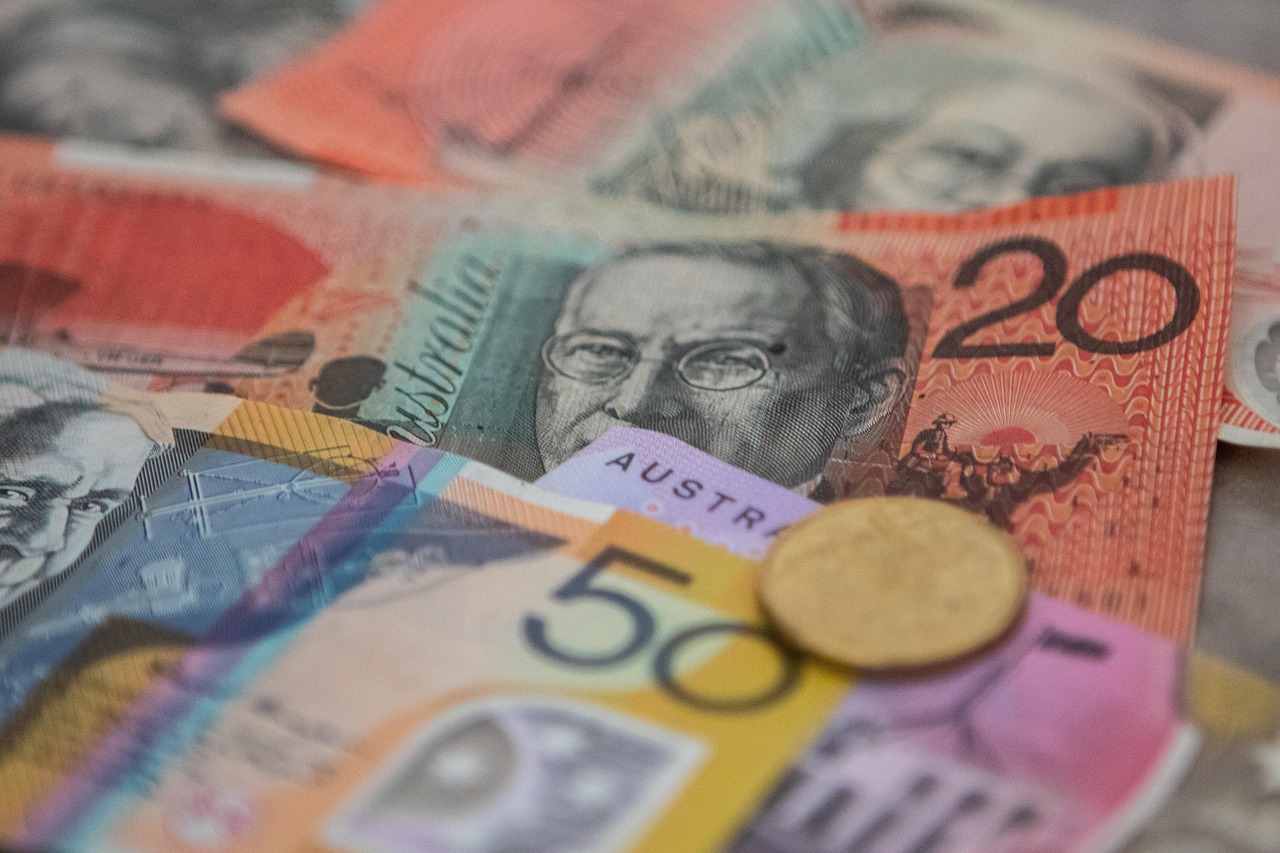
Asian currencies strengthened on Wednesday as the U.S. dollar extended its recent decline ahead of closely watched U.S. nonfarm payrolls data. The softer greenback provided broad support across regional foreign exchange markets, while the Chinese yuan remained largely steady following weaker-than-expected January inflation figures.
The Australian dollar emerged as the top performer, with AUD/USD jumping 0.7% to $0.7125, its highest level in three years. The rally followed hawkish remarks from Reserve Bank of Australia (RBA) Deputy Governor Andrew Hauser, who stated that inflation remains elevated and interest rates may not yet be restrictive enough. His comments came shortly after the RBA delivered a 25-basis-point rate hike—its first increase in two years—responding to a resurgence in inflation toward late 2025. Investors are now closely monitoring upcoming first-quarter inflation data for further signals on potential additional rate hikes, boosting demand for the Aussie dollar.
Meanwhile, the Chinese yuan hovered near 6.91 against the U.S. dollar, close to its weakest level since May 2023. The currency showed limited reaction to data revealing softer consumer price index (CPI) inflation and another contraction in producer price index (PPI) inflation, marking the 40th consecutive month of producer deflation. Analysts noted that seasonal factors, including the timing of the Lunar New Year holiday, may have influenced January’s figures. Nevertheless, the data reinforced expectations for further economic stimulus from Beijing to combat persistent disinflationary pressures.
The Japanese yen also gained ground, with USD/JPY falling 0.5% to around 153.6, its lowest level in nearly two weeks. A weaker dollar and political stability following Prime Minister Sanae Takaichi’s decisive lower house victory supported the yen, despite Japanese markets being closed for a holiday.
The dollar index slipped 0.1% to 0.2% in Asian trading after disappointing U.S. retail sales data heightened concerns about slowing economic growth. Traders are now focused on upcoming U.S. payrolls and CPI inflation data, which could further influence currency market volatility. Other regional currencies saw modest moves, with USD/SGD edging lower, USD/KRW rising slightly, and USD/INR holding near 90.5.













