


 Brazil Pension Fund Crackdown After Banco Master Collapse Raises Investment Concerns
  Mexico President Claudia Sheinbaum Reconsiders Early School Closure Plan Ahead of 2026 World Cup
  U.S. Cybersecurity Pushes Faster Patch Deadlines Amid Rising AI-Driven Threats
  Pope Leo Calls for Peace as Vatican Seeks Better Ties With U.S.
  Ukraine-Russia Ceasefire Confirmed as Prisoner Swap Deal Advances
  US Adds European Union to Section 301 Watchlist Amid Trade Concerns
  U.S.-China Beef Trade Deal Hopes Rise Ahead of Trump-Xi Summit
  Lufthansa Q1 Loss Narrows as Strong Summer Travel Demand Boosts Outlook
  FBI Warns of China’s Expanding Hack-for-Hire Network Amid Extradition Case
  Trump Invites Top CEOs Including Nvidia, Apple, Boeing to China Summit With Xi Jinping
  Google Secures Pentagon AI Deal for Classified Projects
  TikTok Nears $400 Million Settlement With Trump Administration Over Child Privacy Lawsuit
  China Banks Halt New Loans to Sanctioned Refineries Amid U.S.-Iran Oil Crackdown
  Dell Stock Hits Record High After Trump Endorsement, AI Server Demand Fuels Rally
  Shell Q1 Profit Surges to Two-Year High as Dividend Rises Despite War-Driven Debt Pressure
  US House Advances $70 Billion Immigration Enforcement Budget Plan
  Infineon Raises 2026 Outlook as AI Data Center Chip Demand Surges


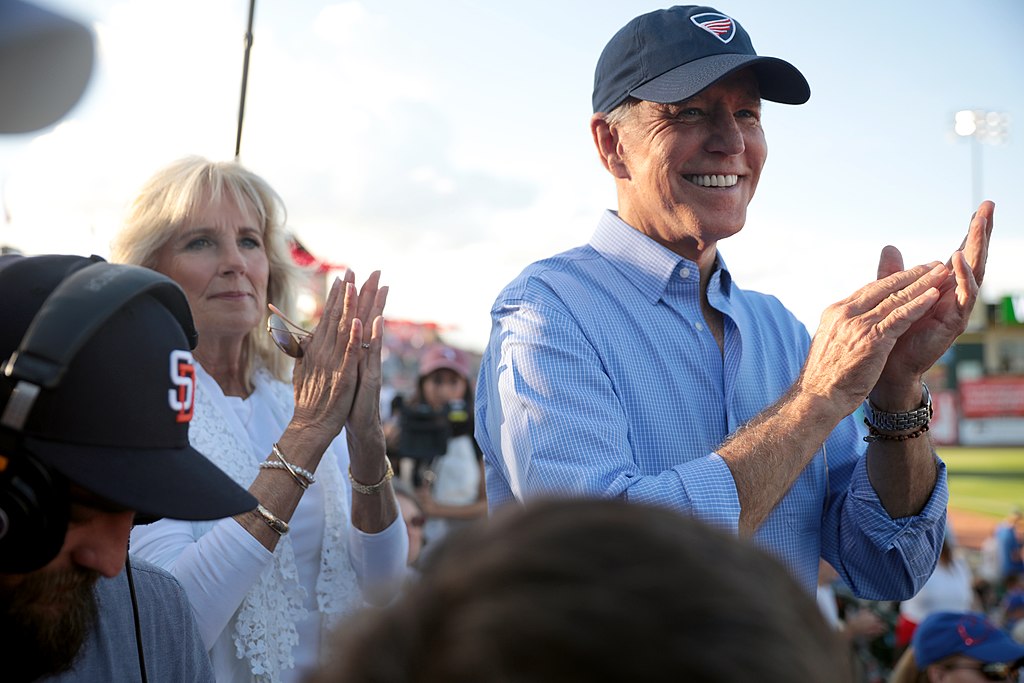
The Biden administration reportedly awarded $300 million in government contracts to Reuters while 11 federal agencies conducted investigations into Elon Musk’s companies—Tesla, SpaceX, Neuralink, and X (formerly Twitter). The timing of the contracts has drawn scrutiny, especially as Reuters earned a Pulitzer Prize for its reporting on “misconduct” at Musk’s businesses during this period.
Critics claim the funding raises ethical concerns, alleging that taxpayer dollars were used to undermine Musk, a figure widely regarded as one of America’s most prominent innovators. Musk’s companies have played a central role in advancing industries ranging from electric vehicles to aerospace technology. Supporters argue the investigations and reporting are part of legitimate government oversight and journalistic efforts.
Investigations into Musk’s Companies
According to available reports, multiple federal departments and independent agencies, including the Department of Justice, Transportation, and Labor, were simultaneously involved in oversight, investigations, or legal actions against Musk’s businesses. Additionally, agencies such as the Environmental Protection Agency (EPA), Securities and Exchange Commission (SEC), and National Labor Relations Board (NLRB) targeted regulatory or compliance matters at Tesla, SpaceX, and Neuralink.
The oversight ranged from alleged labor law violations and environmental compliance to safety protocols at manufacturing plants. The coordinated nature of these actions, combined with Reuters’ Pulitzer-winning coverage, has fueled speculation of a broader agenda.
Reuters’ investigative series focused on workplace conditions, safety standards, and corporate governance issues within Musk’s enterprises. While praised for uncovering key details, critics argue the reporting amplified negative narratives against Musk at a politically charged moment.
“These investigations are routine when you’re operating at such scale,” said financial analyst Jacob Peters. “However, awarding significant contracts to media entities covering these businesses raises questions about impartiality.”
Social Media Reacts to Funding Allegations
The controversy has ignited a storm of opinions on social media, with netizens split between defending Musk and questioning the Biden administration’s motives.
User @TechLibertyUSA tweeted, “Why is taxpayer money being funneled into media companies targeting Elon Musk? This stinks of corruption.”
Meanwhile, @TruthInMedia defended Reuters, writing, “Investigations are legitimate. Musk isn’t above the law. Journalists uncovering misconduct should be applauded, not criticized.”
Supporter @ElonInnovates argued, “Elon builds the future while politicians and media play dirty games to undermine him. We see through it.”
On the other hand, @AccountabilityMatters posted, “$300 million in contracts is concerning, but transparency is key. Reuters earned its Pulitzer fairly.”
User @AmericanTaxpayer commented, “The government targeting Musk with 11 agencies while paying Reuters? This is coordinated harassment, plain and simple.”
Lastly, @FreePressDefender added, “If Reuters did great reporting, they deserve recognition. The funding issue is unrelated to journalism.”
The Bigger Picture and Musk’s Response
The allegations come as Musk continues to position his companies as industry leaders in tech, transportation, and space exploration. Tesla remains the world’s leading electric vehicle producer, SpaceX dominates private aerospace, and X is redefining digital communication.
Musk himself has remained vocal about government actions and media coverage, often suggesting his enterprises are unfairly targeted. While neither Reuters nor the administration has commented directly on the $300 million funding allegations, the situation raises broader questions about media funding, government oversight, and the intersection of politics and innovation.
With federal investigations ongoing and Musk’s companies pressing forward, the controversy shows no signs of fading. Whether these claims lead to further scrutiny remains to be seen, but the issue has already added fuel to the public debate surrounding transparency and fairness.







