


 Trump Says U.S. Navy Destroyers Passed Strait of Hormuz Under Iranian Fire
  Trump Inspects Lincoln Memorial Reflecting Pool Renovation in Washington
  Trump Administration Releases New UFO Files and Apollo Mission Records
  U.S.-China Beef Trade Deal Hopes Rise Ahead of Trump-Xi Summit
  Ukraine-Russia Ceasefire Confirmed as Prisoner Swap Deal Advances
  UN Experts Condemn Trump’s Cuba Fuel Blockade Amid Deepening Energy Crisis
  Judge Delays SEC Settlement With Elon Musk Over Twitter Stock Disclosure Case
  Iran Accuses U.S. of Violating Strait of Hormuz Ceasefire with Ship and Coastal Attacks
  U.S., South Korea Launch Shipbuilding Partnership Initiative
  China-Made Fireworks Power U.S. Independence Day Celebrations Amid Trade Truce
  US-Iran Ceasefire Under Pressure as Fresh Strait of Hormuz Clashes Shake Oil Markets
  Senate Stablecoin Bill Sparks Clash Between Banks and Crypto Industry
  Vietnam Plans AI-Driven Propaganda Push With Influencers and Podcasts
  Russian LNG Shadow Fleet Expands Amid Arctic LNG 2 Sanctions
  Russia Downs Over 50 Drones Near Moscow Ahead of Victory Day Ceasefire
  TikTok Nears $400 Million Settlement With Trump Administration Over Child Privacy Lawsuit
  Israel’s Secret Iraq Base Allegedly Supported Iran Air Campaign, WSJ Reports


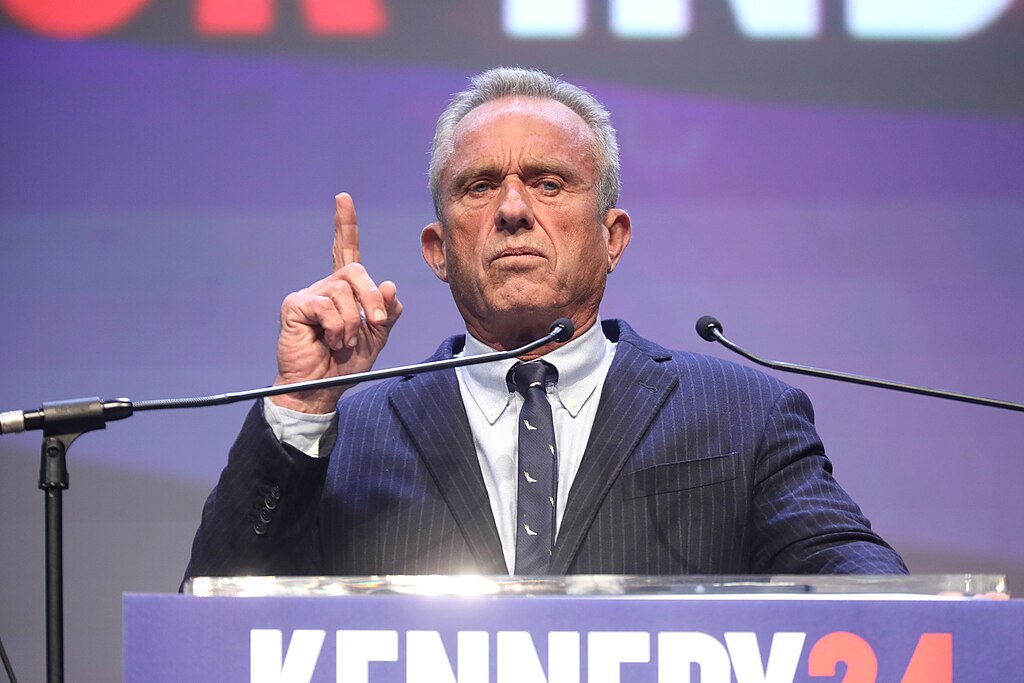
Health and Human Services Secretary-designate Robert Kennedy Jr. described his meetings on Capitol Hill as “really productive” as he met with senators ahead of his upcoming confirmation hearings. Kennedy’s nomination by the administration has sparked intense debate, with both supporters and critics anticipating a contentious process.
Kennedy, a well-known environmental lawyer and public health advocate, has been holding a series of discussions with senators from both parties to address concerns and build support. His confirmation hearings are expected to focus on his controversial views on public health policies, including his past stances on vaccine safety, as well as his broader healthcare priorities.
“This week has been really productive,” Kennedy told reporters after a meeting. “We’ve had strong conversations about the future of healthcare in this country. I believe we can find common ground.”
While Kennedy appeared optimistic, his nomination has divided lawmakers and public opinion, particularly regarding his outspoken views on vaccines and his alignment with mainstream public health measures.
A Divisive Nomination Raises Questions
Kennedy’s nomination has drawn praise from some lawmakers who see his independent approach to healthcare as refreshing. Others, however, remain skeptical, pointing to his history of questioning vaccine mandates and pharmaceutical influence.
Sen. Lisa Murkowski (R-Alaska) described their discussion as “constructive” but withheld full support, stating, “We need to ensure our HHS Secretary prioritizes science, safety, and bipartisan cooperation.”
Meanwhile, progressive Democrats have raised concerns about Kennedy’s public health positions, particularly given his outspoken comments on vaccine efficacy in recent years. Sen. Chris Murphy (D-Conn.) said, “There’s a lot to discuss. His views on critical health issues will face scrutiny.”
Kennedy has defended his positions, emphasizing the need for transparency in healthcare decision-making and pharmaceutical accountability. “I want Americans to trust our healthcare system again,” Kennedy said. “That starts with open dialogue and reform.”
Social Media Reacts to Kennedy’s Capitol Hill Meetings
Kennedy’s remarks about productive meetings have sparked widespread reactions online, with social media users voicing both support and criticism.
User @HealthReformNow tweeted, “Kennedy’s independent views might be what we need to shake up the healthcare bureaucracy. I’m hopeful.”
On the other hand, @ScienceFirstUSA posted, “The Senate should take Kennedy’s record seriously. Public health needs facts, not conspiracy theories.”
Supporter @TruthInHealth added, “Finally, someone willing to challenge Big Pharma and stand up for accountability. Kennedy has my support.”
Meanwhile, @VaccineAdvocate expressed skepticism: “This is a dangerous choice for HHS. Kennedy’s past statements undermine decades of public health progress.”
User @HealthcarePolicy2024 wrote, “Productive meetings don’t erase controversy. The confirmation hearing will be the real test.”
Lastly, @BipartisanHealth commented, “Kennedy is asking the right questions, but his positions need to align with evidence-based policy.”
Kennedy Faces Uphill Confirmation Battle
As Kennedy’s confirmation hearings approach, analysts predict intense questioning from both parties. His ability to clarify his positions on vaccines, healthcare reform, and pharmaceutical oversight will likely determine whether he can secure Senate approval.
Kennedy’s supporters argue his nomination brings a much-needed outsider perspective to an often rigid healthcare system. Critics, however, fear his past statements on vaccines could undermine public trust in HHS leadership during ongoing public health challenges.
For now, Kennedy remains focused on securing bipartisan backing. “My goal is to bring people together,” he said. “The future of healthcare requires bold, transparent leadership.”







