


 Gold Holds Near Seven-Week Low as Fed Rate Hike Bets Rise
  BOJ Raises Interest Rate to 31-Year High as Yen Weakens
  Fed Unveils Stablecoin Rules Under GENIUS Act
  ECB May Stop Rate Hikes After December, Capital Economics Says
  Australia Trade Surplus Shrinks Sharply as Imports Surge
  BlackRock’s Rick Rieder Favors Bonds Over Stocks as Treasury Yields Surge
  US Alcohol Ban Exposes Canada’s Internal Trade Barriers
  US Dollar Hits Two-Month High as Aussie, Pound Slide
  RBA Set for September Rate Hike as Inflation Stays High
  U.S. Stock Futures Steady as AI, Rate Concerns Weigh
  Japan Warns Markets Over Yen Weakness
  RBA Hikes Interest Rate to 4.60% as Inflation Risks Rise


 Add as a preferred source on Google
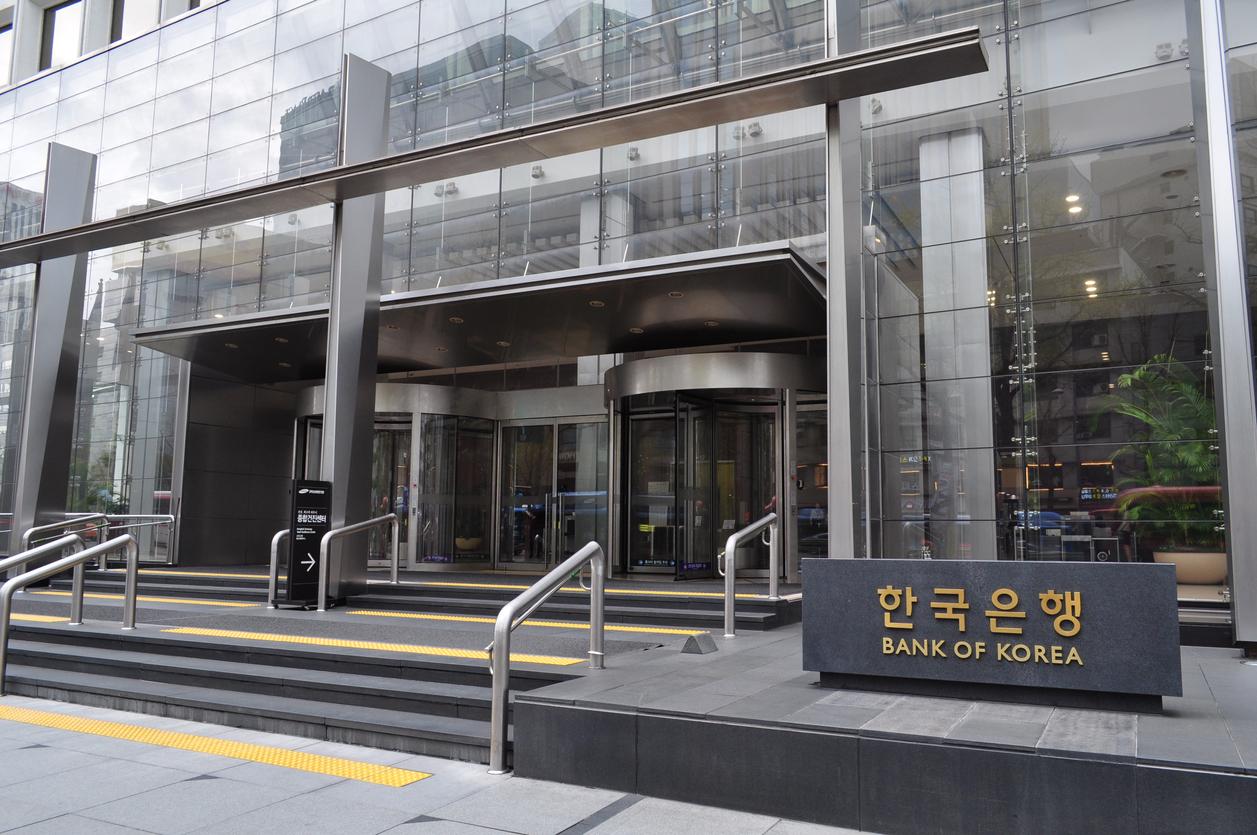
The Bank of Korea (BOK) is widely expected to lower its benchmark interest rate by 25 basis points to 2.50% on May 29, marking its first cut since 2022. This anticipated move comes as South Korea’s economy shrank 0.2% in Q1 and inflation remains close to the BOK’s 2.0% target, sitting at 2.1% in April. A stronger Korean won, which has rebounded around 9% from recent lows, has further supported expectations for monetary easing.
All 36 economists surveyed by Reuters between May 19 and 25 predicted a rate cut, aligning with signals from BOK Governor Rhee Chang-yong during the April policy meeting. Analysts noted that weak GDP data, U.S. tariff uncertainties, and the falling USD/KRW exchange rate reinforce the need for a policy shift.
Looking ahead, 23 of 27 economists forecast the policy rate will fall further to 2.25% by the end of Q3. Additionally, 56% of respondents expect another 25 basis point cut by year-end, bringing the rate to 2.00%.
Besides monetary stimulus, economists anticipate increased fiscal support, especially following the June presidential election. This follows the approval of a 13.8 trillion won ($10.1 billion) supplementary budget earlier this month.
Kathleen Oh, chief Korea economist at Morgan Stanley, suggested that once rates hit 2.00%, the central bank may focus on financial stability while shifting the responsibility for economic growth to the government starting next year.
A separate Reuters poll showed South Korea’s 2025 GDP growth is expected at 1.3%, slightly above the IMF’s 1.0% estimate, though economists predict the BOK will revise its 1.5% growth forecast downward this week.







