


 US Dollar Hits Two-Month High as Aussie, Pound Slide
  South Korea Exports Set for 16th Monthly Gain on AI Chip Demand
  BlackRock’s Rick Rieder Favors Bonds Over Stocks as Treasury Yields Surge
  Fed’s Williams Signals One More Rate Hike Before Year-End
  Nvidia China Chip Sales Report Sends Chinese Semiconductor Stocks Lower
  Yen Sinks as BOJ Rate Hike Fails to Impress Markets
  Global Central Banks Brace for More Rate Hikes as Inflation Risks Rise
  Gold Rebounds as Oil Falls and Treasury Rout Eases
  China Industrial Profit Growth Slows as Weak Demand Offsets AI Gains
  Fed’s Hammack Says Bond Yield Surge Is Not Driven by Inflation Fears
  RBA Hikes Interest Rate to 4.60% as Inflation Risks Rise
  Japan Factory Output Unexpectedly Falls 1.7% in August
  Gold Plunges 4% as Treasury Yields Surge and Fed Rate Hike Bets Rise
  RBA Says ASX Still Falls Short on Governance and Risk Controls
  BOJ Set to Raise Rates to 1.25% as Inflation Risks Build


 Add as a preferred source on Google
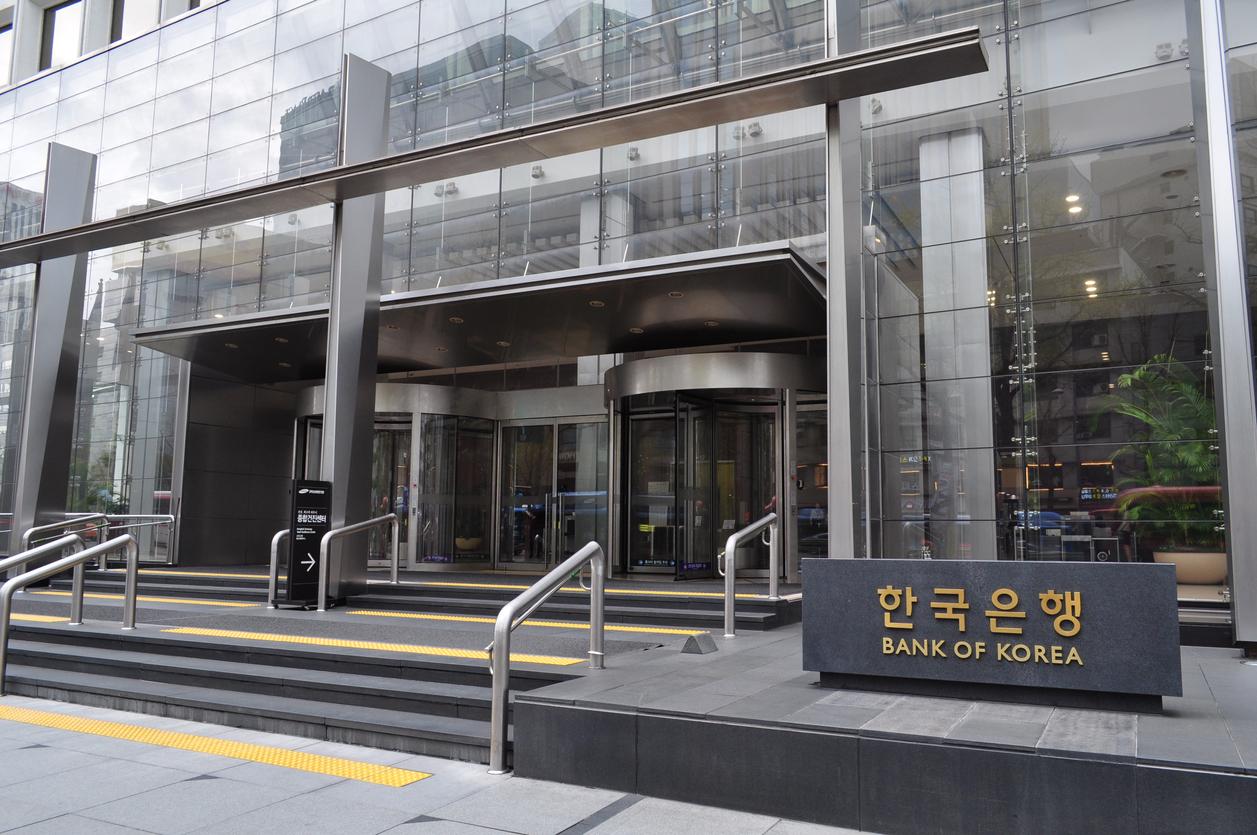
South Korea’s central bank kept its key interest rate unchanged on Thursday, maintaining a cautious stance as a sharply weakening won and cooling measures in the housing market limited room for further monetary easing. The Bank of Korea’s (BOK) seven-member monetary policy board voted to leave the benchmark rate at 2.50%, aligning with expectations from 32 of 36 economists surveyed by Reuters. The decision highlights the bank’s focus on financial stability amid growing currency pressures and ongoing government efforts to rein in surging real estate prices in Seoul.
The Korean won has been under significant downward pressure in recent weeks, making policymakers reluctant to adjust rates in a way that could trigger further currency depreciation or increase volatility in financial markets. A weaker won can drive up import costs and fuel inflation risks, adding another layer of complexity to the central bank’s policy outlook. By holding the rate steady, the BOK signals a wait-and-see approach as it monitors currency movements and evaluates the impact of government property-market interventions aimed at curbing speculative demand.
Governor Rhee Chang-yong is scheduled to elaborate on the bank’s decision and economic outlook during a press conference at 0210 GMT, which will be streamed live on YouTube. Market participants will be watching closely for insights into future policy direction, especially regarding inflation trends, growth prospects, and the potential for rate adjustments later in the year.
The rate hold reflects a delicate balance between supporting economic stability and avoiding moves that could intensify market uncertainties. As global economic conditions remain mixed and domestic challenges persist, the Bank of Korea appears poised to remain cautious, prioritizing stability while assessing how upcoming data and policy measures shape the country’s financial landscape.







