


 Trump Urges Gasoline Retailers to Cut Prices to $2.50 Per Gallon, Warns of Legal Action
  Trump Threatens 100% Tariffs on Countries Imposing Digital Services Taxes on U.S. Tech Firms
  Dollar Slips Ahead of Key U.S. Jobs Data as Fed Rate Outlook, ECB, and Iran Talks Shape Forex Markets
  Oil Prices Rise as US-Iran Tensions Threaten Strait of Hormuz Oil Shipments
  China Factory PMI Seen Returning to Growth in June as AI Export Demand Supports Economy
  Global Financial Firms Shift Asia Expansion Focus to South Korea as China, India Face Caution
  US Stock Futures Rise as US-Iran Ceasefire Hopes Boost Market Sentiment
  China Manufacturing PMI Edges Higher in June as Exports and AI Investment Boost Growth
  China Expands Export Controls, Adds 20 Japanese Companies to Restricted List
  Gold Price Ends Lower for Fourth Week Despite Rebound as Fed Rate Hike Bets Strengthen
  Trump Questions Housing Bill as He Prioritizes SAVE America Act
  Gold Price Hits Annual Low as Fed Rate Hike Bets and Sticky Inflation Weigh on Bullion
  Central Banks Eye Gold, Reduce Dollar Exposure as AI Adoption Accelerates: OMFIF Survey
  Argentina Economy Shrinks 1.5% in April, Recovery Under Milei Loses Momentum
  World Bank Approves $1.1 Billion Emergency Funding for Bangladesh Amid Food and Energy Price Pressures
  Asian Currencies Stay Range-Bound as Investors Eye China Data, RBNZ Outlook and U.S.-Iran Ceasefire
  Japan Targets 1%+ Real Economic Growth With ¥370 Trillion Investment Plan


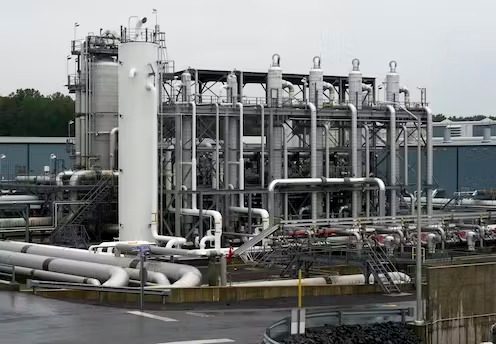
The United States came remarkably close to becoming a net crude oil exporter last week for the first time since World War Two, as American shipments surged to meet surging international demand. The dramatic shift was triggered by disruptions to Middle Eastern oil flows following the U.S.-Israel conflict with Iran, which effectively halted roughly 20% of global oil and gas transit through the critical Strait of Hormuz.
With Iranian threats cutting off a significant portion of worldwide energy supplies, refiners across Asia and Europe scrambled to secure alternative sources, turning heavily to the U.S. — the world's largest oil producer. As a result, net U.S. crude imports narrowed to just 66,000 barrels per day (bpd), the lowest recorded level since weekly tracking began in 2001, while exports climbed to 5.2 million bpd, a seven-month high.
European buyers absorbed approximately 47% of U.S. crude exports, with top destinations including the Netherlands, France, and Germany. Asia accounted for around 37%, up from 30% just a year ago, with Japan and South Korea among the leading importers. Countries like Greece and Turkey are receiving American crude for the first time in years, reflecting how dramatically global trade flows have shifted.
Soaring Brent crude prices — which briefly hit nearly $150 per barrel — made U.S. oil significantly more attractive to overseas refiners. The Brent-WTI spread widened to over $20 per barrel, further incentivizing American exports while reducing domestic appetite for costlier imports.
Despite this historic momentum, analysts warn the U.S. is fast approaching its export ceiling of roughly 6 million bpd, constrained by pipeline infrastructure and tanker availability. With freight costs rising and logistical pressures mounting, sustaining this export surge will require strategic coordination, including potential releases from the Strategic Petroleum Reserve to free up additional light crude grades for international markets.







