


 Economic pessimism has set in – but there are reasons for Australians to be hopeful
  US Dollar Slips After PCE Inflation Data as Fed Rate Hike Expectations Stay Elevated
  Central Banks Eye Gold, Reduce Dollar Exposure as AI Adoption Accelerates: OMFIF Survey
  Gold Price Falls as Fed Rate Hike Fears and U.S.-Iran Tensions Weigh on Bullion
  China Sets 1.25% Overnight Reverse Repo Rate Below Market Expectations
  Trump Questions Housing Bill as He Prioritizes SAVE America Act
  Gold Prices Drop as Fed Rate Outlook and Iran Tensions Weigh on Market
  China Expands Export Controls, Adds 20 Japanese Companies to Restricted List
  Asian Stocks End Strong Quarter as Dollar Surges, Yen Hits 40-Year Low Ahead of US Jobs Data
  Oil Prices Rise as US-Iran Tensions Threaten Strait of Hormuz Oil Shipments
  Argentina Economy Shrinks 1.5% in April, Recovery Under Milei Loses Momentum
  Gold Price Hits Annual Low as Fed Rate Hike Bets and Sticky Inflation Weigh on Bullion
  Global Financial Firms Shift Asia Expansion Focus to South Korea as China, India Face Caution
  Dollar Slips Ahead of Key U.S. Jobs Data as Fed Rate Outlook, ECB, and Iran Talks Shape Forex Markets
  Yen Falls to 40-Year Low as Markets Watch Japan Intervention and U.S. Jobs Report
  Oil Prices Slip as U.S.-Iran Peace Talks and Strait of Hormuz Risks Keep Markets on Edge
  US Stock Futures Rise as US-Iran Ceasefire Hopes Boost Market Sentiment


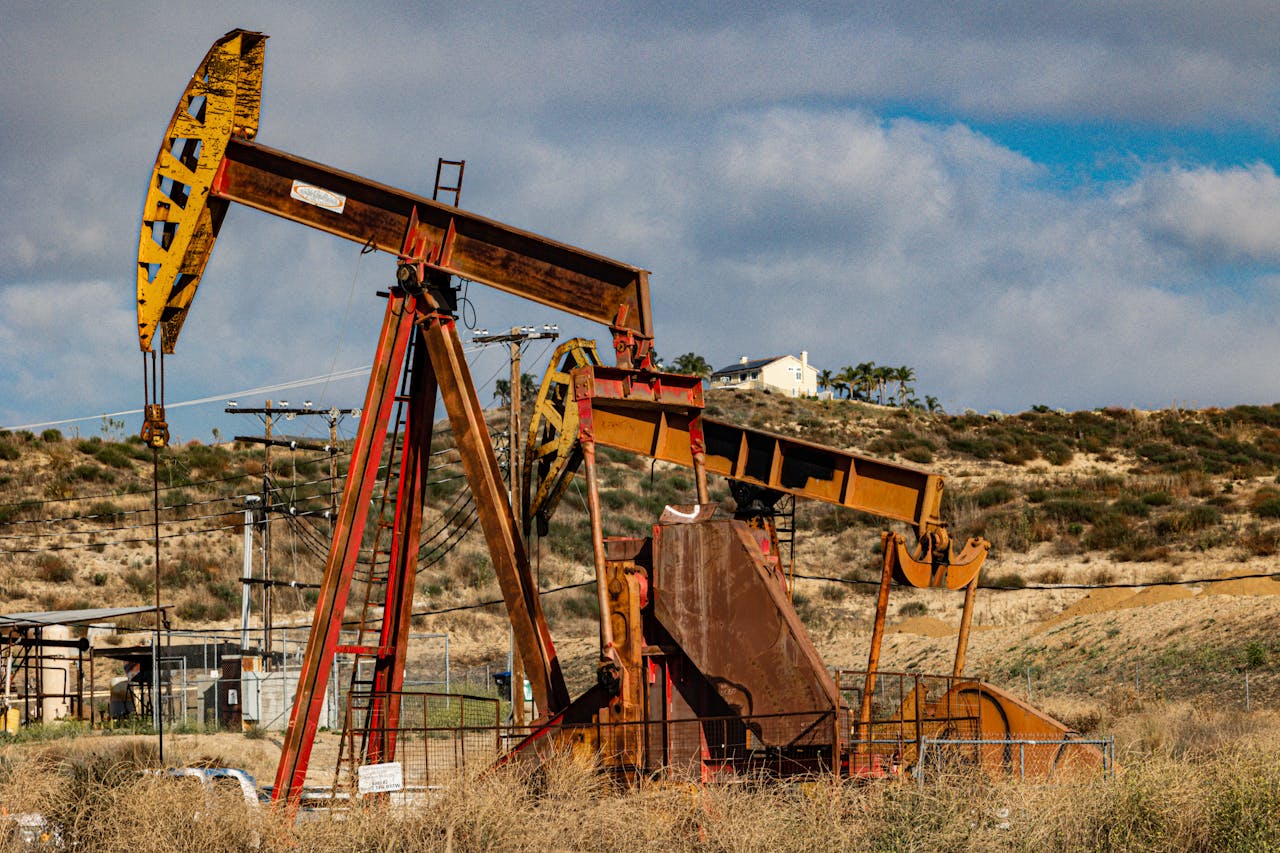
Oil prices dipped modestly during Asian trading on Thursday as investors closely monitored diplomatic developments between the United States and Iran ahead of a critical ceasefire deadline set for April 21. West Texas Intermediate crude futures slipped 0.4% to $90.90 per barrel at around 19:42 ET, reflecting ongoing market caution.
Traders remained on edge as peace negotiations between Washington and Tehran showed limited progress following weekend talks. President Donald Trump expressed cautious optimism, suggesting that additional discussions could occur within days and that a resolution to the conflict might be within reach. However, uncertainty persists as the U.S. simultaneously confirmed a full naval blockade against Iran — a move analysts say could complicate diplomatic efforts.
Some relief came from reports indicating that several ships and oil tankers successfully navigated the Strait of Hormuz during the week. Additionally, Reuters reported that Iran may be open to permitting free passage on the Omani side of the strait as part of a potential peace agreement — a development that could ease supply concerns if confirmed.
Despite a fragile ceasefire holding as of early Thursday, with no new military strikes reported since late last week, markets remained cautious. News that the U.S. was considering deploying over 10,000 additional troops to the region raised fresh fears of escalation.
Crude oil had surged to $120 per barrel following the outbreak of hostilities in late February, but prices have since pulled back amid emergency reserve releases by major economies. Both the International Energy Agency and OPEC flagged softer global demand outlooks tied to war-related disruptions.
Attention also turned to upcoming Chinese economic growth data, with markets watching for any demand-side impact on the world's largest oil importer. The Strait of Hormuz — largely blocked since the conflict began — remains central to any lasting ceasefire framework, with Washington insisting on its full reopening as a non-negotiable condition.







