


 China Sets 1.25% Overnight Reverse Repo Rate Below Market Expectations
  US Stock Futures Steady as Investors Await Payrolls Data and Monitor Iran Tensions
  Dollar Slips Ahead of Key U.S. Jobs Data as Fed Rate Outlook, ECB, and Iran Talks Shape Forex Markets
  Gold Price Ends Lower for Fourth Week Despite Rebound as Fed Rate Hike Bets Strengthen
  Trump Urges Gasoline Retailers to Cut Prices to $2.50 Per Gallon, Warns of Legal Action
  Argentina Economy Shrinks 1.5% in April, Recovery Under Milei Loses Momentum
  Gold Prices Drop as Fed Rate Outlook and Iran Tensions Weigh on Market
  Trump Suspends Some Morocco Fertilizer Tariffs to Ease U.S. Supply Shortage
  China Manufacturing PMI Edges Higher in June as Exports and AI Investment Boost Growth
  Asian Stocks Slip as US-Iran Ceasefire Hopes Lift Oil, Dollar Strength Persists
  Asian Stocks End Strong Quarter as Dollar Surges, Yen Hits 40-Year Low Ahead of US Jobs Data
  China Factory PMI Seen Returning to Growth in June as AI Export Demand Supports Economy
  Economic pessimism has set in – but there are reasons for Australians to be hopeful
  Canada Grants C$7 Million to Greenland Molybdenum Mine to Strengthen Critical Minerals Supply
  RBA Minutes Signal Australia Central Bank Remains Ready to Raise Interest Rates if Inflation Persists
  Oil Prices Rise as US-Iran Tensions Threaten Strait of Hormuz Oil Shipments


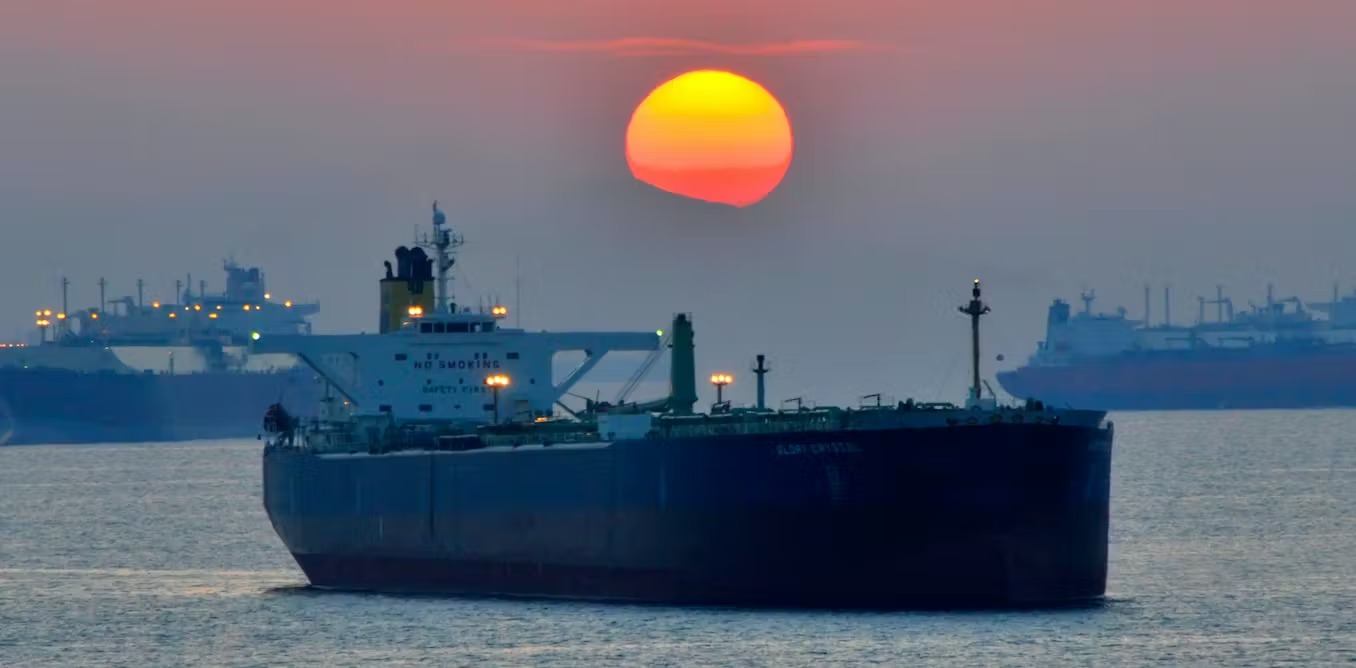
Global energy markets remain on edge as the U.S. blockade on Iranian ports continues to disrupt shipping through the Strait of Hormuz, a critical chokepoint that normally handles roughly one-fifth of worldwide oil and gas exports. Since the U.S.-Israeli conflict with Iran began on February 28, the strait has been largely closed — yet a growing number of non-Iranian tankers have successfully navigated through, signaling cautious efforts to restore supply chains.
Several Asian nations have managed to move crude shipments through the passage under carefully coordinated arrangements. Vietnam is expecting Iraqi Basra crude aboard the Malta-flagged VLCC Agios Fanourios I, which entered the Gulf on April 15 after an earlier failed attempt. Malaysia secured passage for at least seven linked vessels, including the Liberia-flagged Serifos carrying Saudi and UAE crude, and the Petronas-chartered Ocean Thunder loaded with Iraqi oil.
China has also kept its energy imports moving, with multiple VLCCs chartered by Sinopec's trading arm Unipec passing through in early April, carrying Iraqi and Saudi crude bound for Chinese and Myanmar ports. Beijing confirmed in late March that three Chinese vessels had safely transited the strait through diplomatic coordination.
India has received shipments via several tankers offloading Saudi and Abu Dhabi crude at ports including Mumbai, Paradip, and Sikka. Additionally, multiple LPG tankers carrying approximately 94,000 metric tons of cooking gas completed safe passages for Indian consumers. Pakistan also sent tankers into the Gulf to load crude from the UAE and Kuwait, while Thailand confirmed one of its tankers cleared the strait without paying any blockade fee following direct negotiations with Iran.
Despite the ongoing conflict, these transits highlight how key Asian economies are working through diplomatic and logistical channels to protect their energy security amid one of the most volatile periods in global oil shipping in recent memory.







