


 Japan Targets 1%+ Real Economic Growth With ¥370 Trillion Investment Plan
  US Stock Futures Steady as Investors Await Payrolls Data and Monitor Iran Tensions
  Gold Price Falls as Fed Rate Hike Fears and U.S.-Iran Tensions Weigh on Bullion
  RBA Minutes Signal Australia Central Bank Remains Ready to Raise Interest Rates if Inflation Persists
  Oil Prices Rise as US-Iran Tensions Threaten Strait of Hormuz Oil Shipments
  Gold Prices Drop as Fed Rate Outlook and Iran Tensions Weigh on Market
  Dollar Slips Ahead of Key U.S. Jobs Data as Fed Rate Outlook, ECB, and Iran Talks Shape Forex Markets
  Trump Urges Gasoline Retailers to Cut Prices to $2.50 Per Gallon, Warns of Legal Action
  Asian Stocks End Strong Quarter as Dollar Surges, Yen Hits 40-Year Low Ahead of US Jobs Data
  Trump Suspends Some Morocco Fertilizer Tariffs to Ease U.S. Supply Shortage
  China Expands Export Controls, Adds 20 Japanese Companies to Restricted List
  Yen Falls to 40-Year Low as Markets Watch Japan Intervention and U.S. Jobs Report
  Gold Price Ends Lower for Fourth Week Despite Rebound as Fed Rate Hike Bets Strengthen
  Asian Currencies Stay Range-Bound as Investors Eye China Data, RBNZ Outlook and U.S.-Iran Ceasefire
  Central Banks Eye Gold, Reduce Dollar Exposure as AI Adoption Accelerates: OMFIF Survey
  Gold Price Hits Annual Low as Fed Rate Hike Bets and Sticky Inflation Weigh on Bullion
  Economic pessimism has set in – but there are reasons for Australians to be hopeful


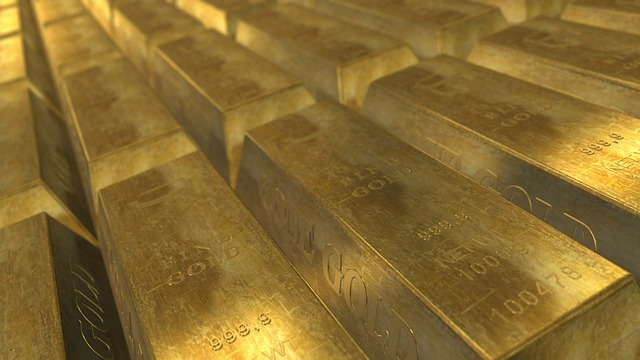
Gold prices slipped on Wednesday but remained positioned for weekly gains as investors closely monitored developments surrounding a potential permanent ceasefire between the United States and Iran. Spot gold fell 1% to $4,794.67 per ounce, retreating from a recent one-month peak, while gold futures edged down 0.7% to $4,817.26 per ounce.
Despite the daily pullback, bullion was still up roughly 1% for the week, reflecting a cautious return of risk appetite in global markets. Wall Street has already reclaimed record highs, erasing all losses accumulated since hostilities erupted in late February following joint U.S. and Israeli strikes on Iran.
Gold struggled throughout March as the conflict triggered a sharp rise in oil prices, stoking global inflation fears and raising expectations of potential interest rate hikes by central banks worldwide. Since gold yields no interest, a rising-rate environment tends to weigh heavily on its appeal. Adding to the pressure, investors gravitated toward the U.S. dollar as their preferred safe haven, partly because the United States, as a net energy exporter, remains relatively shielded from oil supply disruptions through the Strait of Hormuz.
President Donald Trump has expressed optimism that the conflict is "close to over," suggesting a permanent ceasefire could be finalized before King Charles visits the United States later this month. A second round of U.S.-Iran ceasefire talks is expected to resume imminently, following inconclusive negotiations held in Pakistan last weekend. White House Press Secretary Karoline Leavitt confirmed that diplomatic conversations remain "productive and ongoing."
A fragile two-week ceasefire is set to expire on April 21, but mediators are reportedly making headway on key sticking points, including Iran's nuclear program, the Strait of Hormuz closure, and war reparations. Analysts warn that gold's next directional move hinges on whether prices can firmly establish support above the $4,800 level.







