


 Gold Prices Surge on U.S.-Iran Ceasefire Reports
  Gold is meant to be a ‘safe haven’ in uncertain times. Why is it crashing amid a war?
  Oil Prices Plunge Over 6% as Middle East Ceasefire Hopes Ease Supply Fears
  Trump Tariffs Show Minimal Economic Impact but Boost Federal Revenue, Study Finds
  Oil Prices Rebound as Iran Denies U.S. Talks Amid Gulf War Supply Fears
  U.S. Stock Futures Steady as Iran Reviews U.S. Ceasefire Proposal
  Gold Prices Climb as Middle East Ceasefire Talks Stir Market Optimism
  Australia-EU Free Trade Deal Signed After Years of Negotiations
  Asian Markets Rally as Oil Prices Tumble and Middle East Peace Hopes Emerge
  Bank of Japan Unveils New Inflation Gauge to Support Case for Future Rate Hikes
  ECB Eyes Rate Hike Amid Iran Conflict-Driven Energy Price Surge
  Japan's Private Sector Growth Slows in March Amid Rising Costs and Middle East Uncertainty
  Japan Eyes Oil Futures Intervention to Stabilize Yen Amid Middle East Crisis
  Oil Prices Climb as Iran Reviews U.S. Peace Proposal Amid Middle East Tensions
  Time to buy local: war fuel price shocks reveal the folly of a long food supply chain
  Asian Currencies Stay Muted as Dollar Holds Firm Amid Iran Uncertainty


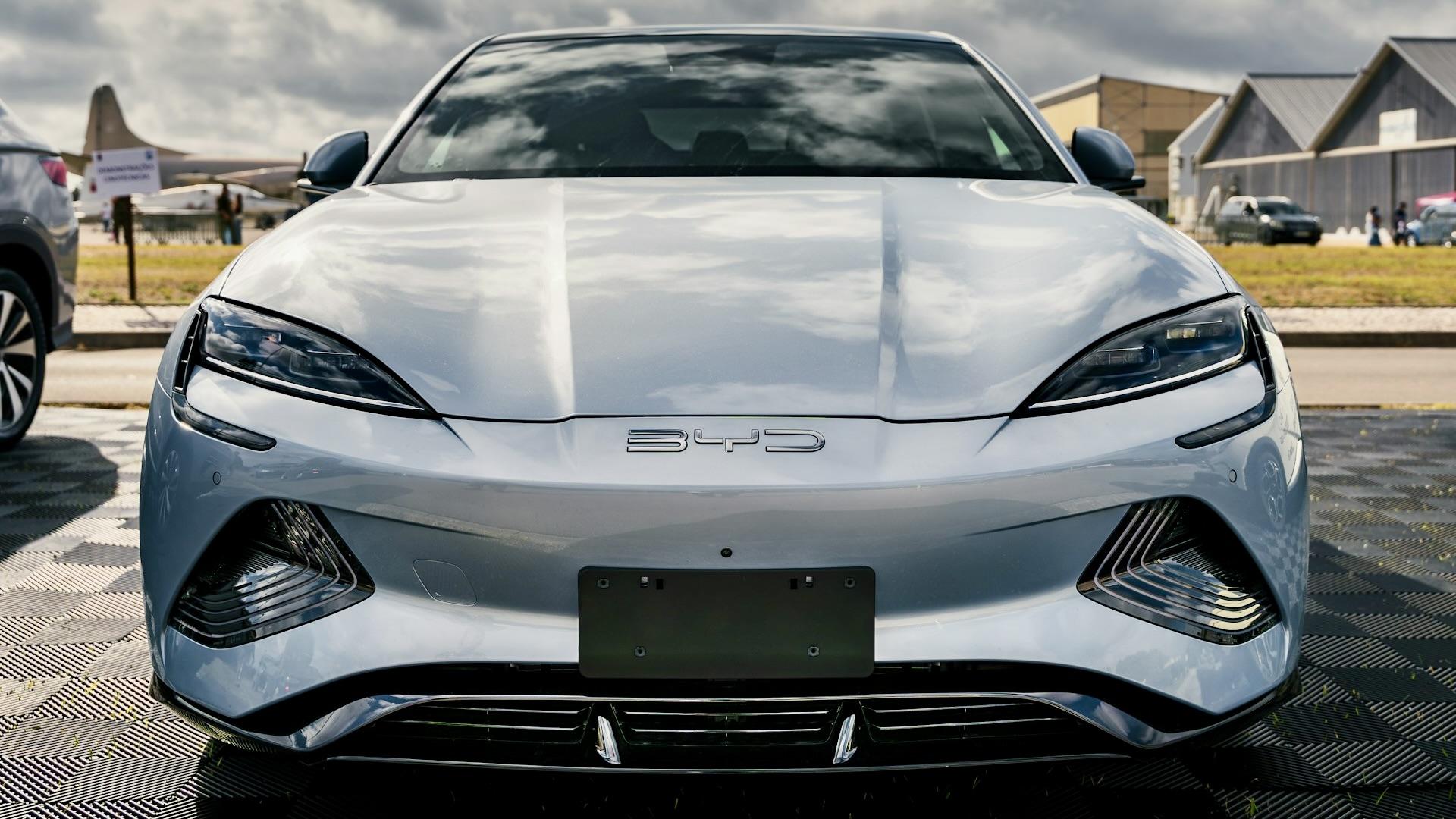
Jinjiang Group, a contractor for BYD, has denied accusations of mistreatment at a Brazilian EV factory, calling them baseless and pointing to cultural misunderstandings as tensions grow over worker rights.
Jinjiang Denies 'Slavery-like Conditions' Claims
Brazilian officials' depiction of their workers as "enslaved" is at odds with the reality, according to Jinjiang Group, a contractor for BYD, a Chinese electric vehicle manufacturer. The company also claimed that translation errors were to blame.
Earlier this week, Brazilian labor authorities claimed to have discovered 163 Chinese nationals subjected to "slavery-like conditions" on the job site of a BYD-owned plant in the state of Bahia in Brazil. At the time, BYD announced that it was cooperating with authorities and had severed relations with the company that had employed the individuals.
Social Media Responses from BYD and Jinjiang
"Being unjustly labeled as 'enslaved' has made our employees feel that their dignity has been insulted and their human rights violated, seriously hurting the dignity of the Chinese people. We have signed a joint letter to express our true feelings," Jinjiang stated on its official Weibo account.
Li Yunfei, BYD's general manager of branding and public relations, shared their statement on his own Weibo account, Investing.com shares. "Deliberately smearing Chinese brands and the country and undermining the relationship between China and Brazil" were his accusations, along with "foreign forces" and certain Chinese media.
When questioned about Jinjiang's remarks and the circumstances, a BYD official referred Reuters to Li's Weibo post. Reuters asked Jinjiang for comment, but the company did not answer.
BYD’s Strategic Investment in Brazil
Brazil is the biggest overseas market for BYD's electric vehicles, thus the company has been constructing a factory there with the ability to produce 150,000 vehicles per year. Production is expected to begin in Brazil in 2024 or early 2025.
In July 2026, Brazil is planning to increase the tariff on imported electric vehicles from 18% to 35%.
Translation Errors and Cultural Differences Spark Controversy
Mao Ning, a spokesman for China's foreign ministry, stated on Wednesday that the Brazilian embassy was in contact with their Chinese colleagues in order to assess the issue and find a solution.
According to Jinjiang, the Brazilian inspectors' queries were "suggestive" and the scenario arose due to translation and cultural differences. Additionally, a video was shared showing a gathering of Chinese employees facing the camera. In the clip, one of the employees is seen reading aloud a letter that Jinjiang claims the workers have all signed.
In order to apply for a temporary ID certificate in Brazil, 107 employees entrusted the corporation with their passports, according to the letter. According to the Brazilian labor inspectors, the firm had withheld the workers' passports.
"We are very happy to come to Camacari to work," an unnamed Chinese man added in the video.
"We have been complying with laws and regulations, working hard during the period with a hope that the construction of the biggest new energy vehicle project in Brazil could be completed as soon as possible," he explained.







