


 Gold Plunges 4% as Treasury Yields Surge and Fed Rate Hike Bets Rise
  Asian Stocks Fall as Bond Yields and Oil Prices Surge
  Fed’s Hammack Says Bond Yield Surge Is Not Driven by Inflation Fears
  Australia Trade Surplus Shrinks Sharply as Imports Surge
  BOJ Set for 25-Basis-Point Rate Hike as Yen Weakness Fuels Inflation
  Fed Rate Hike Threatens Housing as U.S. Growth Leans on AI, Citi Says
  Japan Factory Output Unexpectedly Falls 1.7% in August
  RBA Hikes Interest Rate to 4.60% as Inflation Risks Rise
  Yen Sinks as BOJ Rate Hike Fails to Impress Markets
  Asian Currencies Mixed as Yen Weakens, RBA Hike Looms
  U.S. Stock Futures Steady as AI, Rate Concerns Weigh


 Add as a preferred source on Google
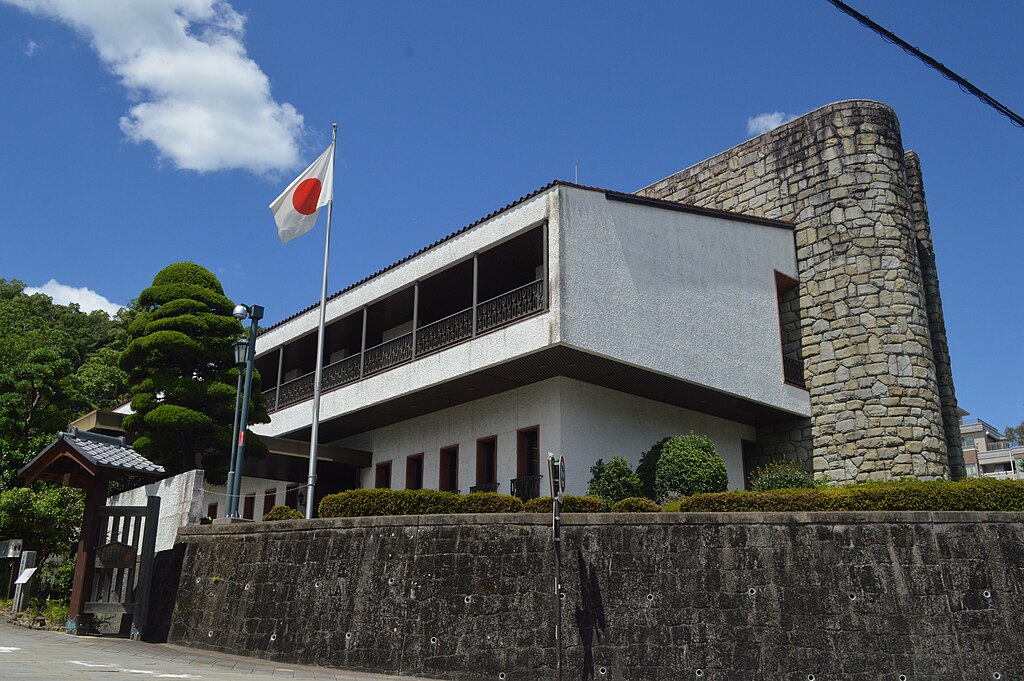
The Bank of Japan (BOJ) is set to keep interest rates unchanged on Wednesday, closely monitoring the impact of U.S. tariff policies on Japan’s export-driven economy. Rising global uncertainty from President Donald Trump’s planned tariffs has overshadowed positive domestic data, including wage growth and inflation nearing the BOJ’s 2% target.
Governor Kazuo Ueda’s post-meeting briefing will be key as markets seek signals on the next potential rate hike. With the U.S. expected to announce auto tariffs on April 2, the BOJ remains cautious after its recent rate hike in January, maintaining the short-term policy rate at 0.5%. Meanwhile, the U.S. Federal Reserve is also expected to hold rates steady as it assesses Trump’s tariff impact.
While Japan’s exports surged 11.4% in February, core machinery orders—an indicator of capital spending—fell 3.5% in January, reflecting economic uncertainty. Despite rising costs, large firms recently agreed to substantial wage hikes for the third consecutive year, supporting inflation. The BOJ sees price risks tilted upward, with inflation hitting 4% in January.
Trump’s tariff moves have unsettled markets and raised fears of a U.S. recession, which could dampen Japan’s economic outlook. Washington recently hiked steel and aluminum tariffs to 25% and is set to announce further tariffs soon. The OECD forecasts global growth slowing from 3.2% in 2024 to 3.0% by 2026, citing trade policy concerns.
The BOJ will reassess growth and inflation forecasts at its April 30–May 1 meeting. Over two-thirds of economists expect another rate hike to 0.75% by Q3, likely in July, if economic trends align with BOJ projections.







