


 Trump Targets 1,000 U.S. Space Launches Annually by 2030
  Trump Orders Major Overhaul of US Navy Shipbuilding
  New Zealand Moves to Ban Social Media for Children Under 16
  Countries Tighten Social Media Bans for Children
  HP Stock Drops 9% Despite Q3 Earnings Beat and Raised 2026 Outlook
  Trump Imposes New Tariffs on Drone Imports Over US Security Concerns
  SoftBank Plans Record $6.3 Billion Bond Sale to Fund OpenAI Investments
  Xiaomi Unveils Xring O3 Chip for Flagship Foldable Phone
  Judge Blocks Trump Mail Voting Order Ahead of 2026 Midterms
  U.S. Probes Apex Logistics Over Nvidia AI Chip Shipments to China
  US Sailor’s Father Detained by Immigration Authorities
  Google Expands Gemini Enterprise With AI Tools for Legal Sector
  U.S. Disrupts China-Linked Hacking Campaign Targeting Government Agencies
  SEC Probes Banks Over Situational Awareness Hedge Fund Collapse
  Pinterest Stock Falls as CFO Julia Brau Donnelly Resigns
  Trump Signs Order to Cut Routine Childhood Vaccines
  Samsung Shares Tumble 8% as $79 Billion Return Plan Disappoints


 Add as a preferred source on Google
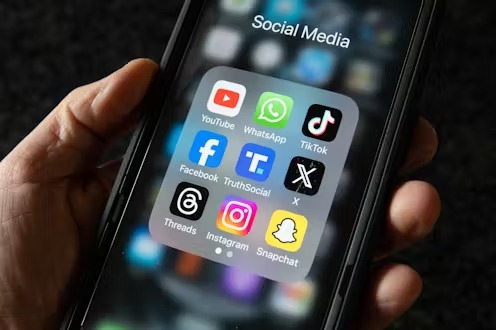
Australia’s world-first ban on social media access for under-16s is gaining traction, as results from a major age verification trial suggest the approach is both feasible and effective. The Age Assurance Technology Trial, involving over 1,000 school students and hundreds of adults, showed that age-checking software can work efficiently without significant technical barriers.
Starting this December, platforms like Meta’s Facebook and Instagram, TikTok, and Snapchat must prove they’re taking "reasonable steps" to keep young users off their services or face penalties up to A$49.5 million (US$32 million). The initiative follows rising concerns about child safety online, though critics point to potential loopholes like VPNs.
Tony Allen, CEO of the UK-based Age Check Certification Scheme, which led the trial, emphasized that while no product works flawlessly, the technology is ready for deployment. He noted privacy concerns remain, particularly regarding some firms collecting excessive user data without clear legal necessity.
The trial did not disclose specific product performance or metrics, but a full report will be submitted to the Australian government next month to guide an upcoming industry consultation. The eSafety Commissioner’s office called the findings a “useful indication” and expressed optimism that age assurance tech, when combined with other enforcement methods, can be private, secure, and effective.
As other countries watch closely, Australia’s move could set a global precedent in protecting children from social media harms. The challenge now lies in crafting regulations that balance safety, privacy, and practicality—while ensuring companies comply ahead of the December enforcement deadline.







