


 U.S. Stock Futures Slip as Markets Brace for Big Tech Earnings and Key Data
  South Korea Inflation Hits Five-Month Low as CPI Reaches Central Bank Target
  Gold, Silver, and Platinum Rally as Precious Metals Recover from Sharp Selloff
  Oil Prices Slide Nearly 3% as U.S.-Iran Talks Ease Geopolitical Tensions
  Gold Prices Stabilize in Asian Trade After Sharp Weekly Losses Amid Fed Uncertainty
  Trump Announces U.S.–India Trade Deal Cutting Tariffs, Boosting Markets and Energy Ties
  Dollar Holds Firm as Strong U.S. Data, Fed Expectations and Global Central Bank Moves Shape Markets
  UK Employers Plan Moderate Pay Rises as Inflation Pressures Ease but Persist
  EU Recovery Fund Faces Bottlenecks Despite Driving Digital and Green Projects
  Japan Finance Minister Defends PM Takaichi’s Remarks on Weak Yen Benefits
  India Budget 2025 Highlights Manufacturing Push but Falls Short of Market Expectations
  JPMorgan Lifts Gold Price Forecast to $6,300 by End-2026 on Strong Central Bank and Investor Demand
  Philippines Manufacturing PMI Hits Nine-Month High Despite Weak Confidence Outlook
  IMF Forecasts Global Inflation Decline as Growth Remains Resilient
  Taiwan Urges Stronger Trade Ties With Fellow Democracies, Rejects Economic Dependence on China
  RBA Raises Interest Rates by 25 Basis Points as Inflation Pressures Persist


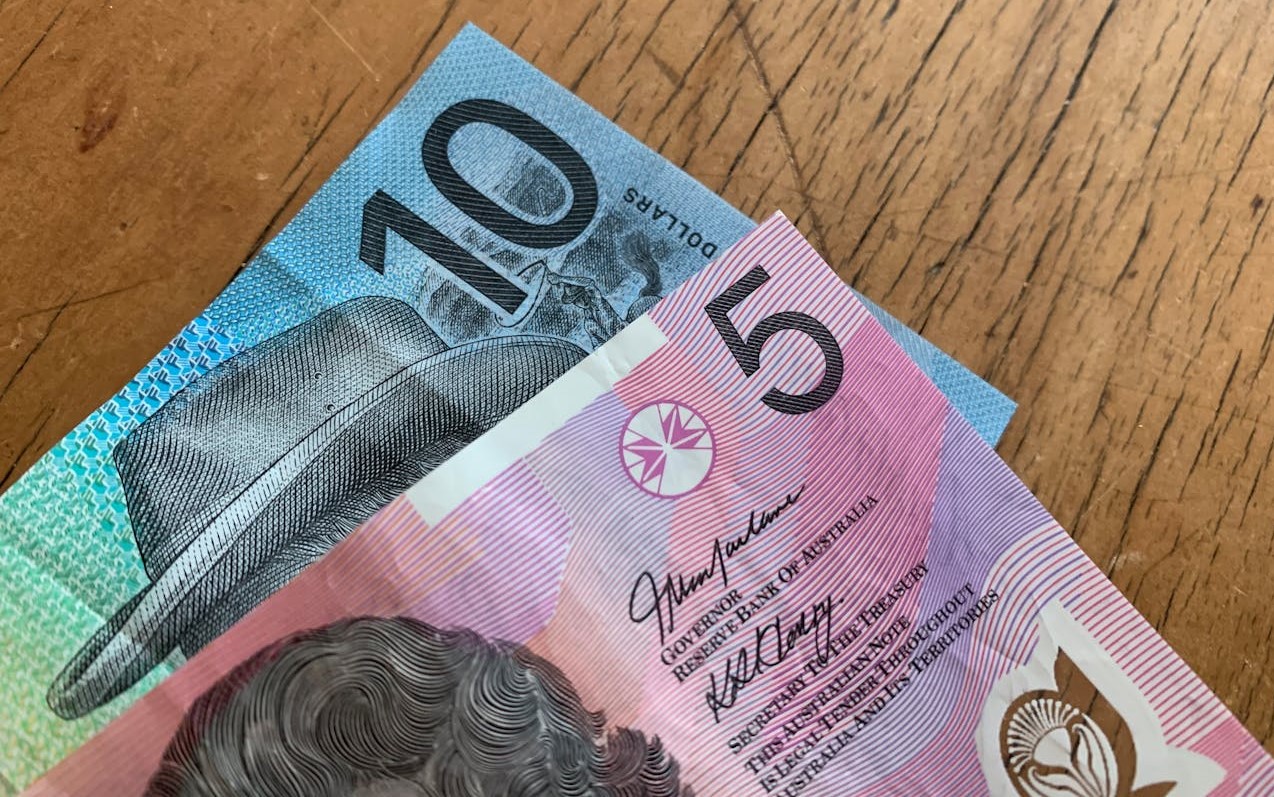
Most Asian currencies traded firmer on Tuesday, led by a sharp rebound in the Indian rupee and a strong rally in the Australian dollar, as investors reacted to major trade and monetary policy developments. The improvement in Asian foreign exchange markets followed a period of pressure driven by a resurgent U.S. dollar and shifting expectations around U.S. monetary policy.
The Indian rupee emerged as the top performer, recovering sharply from recent record lows. The USD/INR pair fell as much as 1.5%, marking its strongest level in around two and a half weeks. The rally came after the United States and India announced a long-awaited trade deal, which significantly boosted market sentiment. Under the agreement, Washington will reduce tariffs on Indian goods to 18% from 50%, while India is expected to further open its markets and curb purchases of Russian oil. Although U.S. President Donald Trump announced the deal via social media without detailed timelines or conditions, investors viewed the development as a major positive for India’s economic outlook and currency stability.
The Australian dollar also gained momentum, with the AUD/USD pair surging about 1% and breaking above the 0.70 level. This move followed the Reserve Bank of Australia’s decision to raise interest rates by 25 basis points, in line with expectations. The RBA also upgraded its growth and inflation forecasts, warning that inflation could remain above its 2% to 3% target range until at least 2027. Governor Michele Bullock emphasized that monetary policy was not restrictive enough, reinforcing market expectations for at least one additional rate hike later this year.
Elsewhere in Asia, currency gains were more modest as the broader region continued to recover from recent dollar strength. The dollar index hovered near a one-week high after markets priced in a less dovish Federal Reserve outlook following Kevin Warsh’s nomination as the next Fed chair. The Japanese yen weakened, with USD/JPY trading above 155 amid uncertainty over possible intervention. The South Korean won strengthened slightly after softer inflation data, while the Chinese yuan edged higher, supported by strong official fixings. Overall, Asian currencies showed signs of stabilization despite ongoing global headwinds.













