


 Meta Agrees to $18 Billion Settlement, Tightens Teen Social Media Rules
  SoftBank Eyes $20 Billion Bond Sale to Refinance OpenAI Loan
  OpenAI Data Center Chief Chris Malone Exits Ahead of Planned 2027 Listing
  Nvidia Eyes Perplexity Investment at $30 Billion Valuation
  Mercer International Stock Surges 45% on C$20 Million Canada Funding
  Google Changes EU Spam Policy Amid Antitrust Scrutiny
  Unitree Shares Plunge 45% After Blockbuster IPO, Raising China Tech Bubble Fears
  Alibaba Raises $10.2 Billion to Expand AI Infrastructure
  PayPal Shares Sink as $50 Billion Takeover Bid Collapses
  Nvidia Reportedly Eyes $13 Billion Hugging Face Acquisition
  Street Poller Media and The Boom of the Street Interview Ad Industry
  Shein Hong Kong IPO to Raise $1.7 Billion at $26.5 Billion Valuation
  Adidas, Puma Shares Fall as Dick’s Sporting Goods Cuts Outlook


 Add as a preferred source on Google
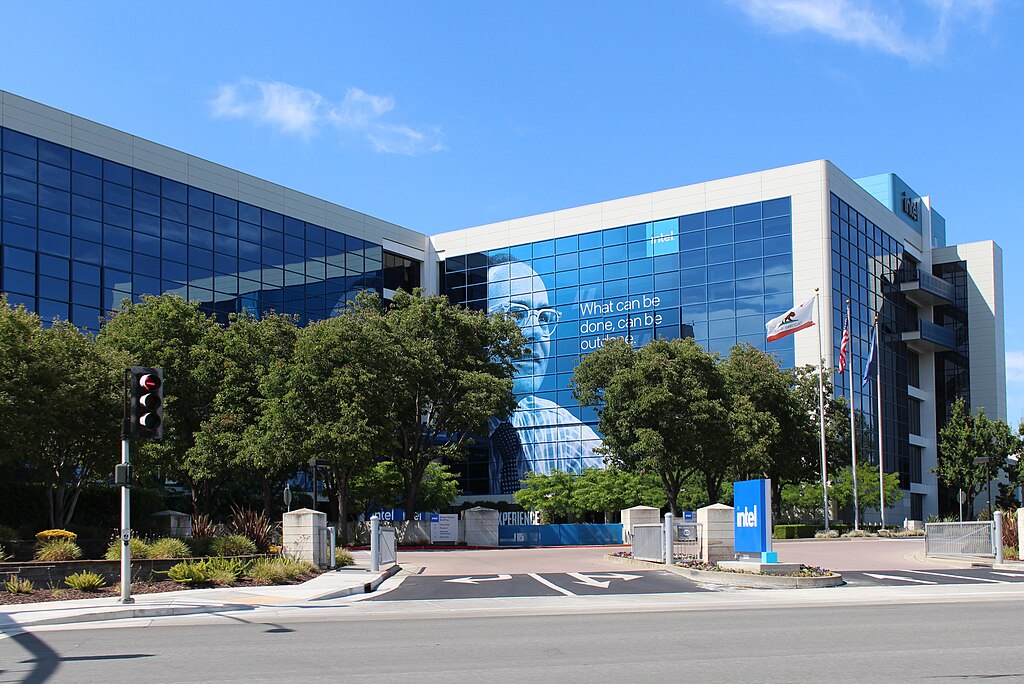
SoftBank Corp (TYO:9434) has announced a strategic collaboration between its subsidiary Saimemory and Intel Corporation (NASDAQ: INTC) to develop a new class of advanced memory chip technology aimed at powering the next wave of artificial intelligence infrastructure. The partnership focuses on commercializing what the companies call “Z-Angle operation memory technology,” which is designed to deliver higher capacity, greater bandwidth, and significantly lower power consumption compared to conventional memory solutions.
According to SoftBank, the new memory technology is being developed specifically for use in AI data centers, where demand for high-speed, energy-efficient memory continues to surge. As generative AI models grow larger and more complex, data centers require memory systems capable of handling massive data throughput while keeping energy costs under control. High-performance memory has become a critical bottleneck in AI computing, making innovations in this space strategically important.
SoftBank Corp, a publicly listed unit of SoftBank Group Corp (TYO:9984), serves as the conglomerate’s primary operating company. The announcement also builds on SoftBank Group’s broader relationship with Intel, following the group’s agreement in mid-2025 to invest $2 billion in the U.S. chipmaker. That investment signaled SoftBank’s confidence in Intel’s long-term role in the global semiconductor and AI ecosystem.
For Intel, the collaboration comes at a crucial time as the company works to strengthen its chip portfolio and regain momentum in the highly competitive AI hardware market. Rivals have moved aggressively to capture AI-related demand, particularly in data center accelerators and memory solutions. By partnering with Saimemory, Intel aims to leverage its next-generation DRAM bonding initiative to accelerate innovation in memory architecture.
Under the agreement, Saimemory will utilize Intel’s advanced DRAM bonding technology to develop and test prototypes of the new memory chips, with the companies targeting early 2028 for initial prototypes. If successful, the Z-Angle operation memory technology could play a meaningful role in shaping future AI data centers, offering a combination of speed, efficiency, and scalability that aligns with the rapidly evolving needs of artificial intelligence workloads.







