


 Dollar Holds Firm as Markets Weigh Warsh-Led Fed and Yen Weakness Ahead of Japan Election
  BOJ Policymakers Warn Weak Yen Could Fuel Inflation Risks and Delay Rate Action
  Oil Prices Slide Nearly 3% as U.S.-Iran Talks Ease Geopolitical Tensions
  S&P 500 Rises as AI Stocks and Small Caps Rally on Strong Earnings Outlook
  Gold and Asian Stocks Rebound as Market Volatility Eases and Global Sentiment Improves
  Dollar Holds Firm as Strong U.S. Data, Fed Expectations and Global Central Bank Moves Shape Markets
  U.S. Stock Futures Rise as Investors Eye Big Tech Earnings and AI Momentum
  JPMorgan Lifts Gold Price Forecast to $6,300 by End-2026 on Strong Central Bank and Investor Demand
  UK Employers Plan Moderate Pay Rises as Inflation Pressures Ease but Persist
  Asian Markets Slide as Silver Volatility, Earnings Season, and Central Bank Meetings Rattle Investors
  Japan Finance Minister Defends PM Takaichi’s Remarks on Weak Yen Benefits
  China Manufacturing PMI Slips Into Contraction in January as Weak Demand Pressures Economy
  Trump Announces U.S.–India Trade Deal Cutting Tariffs, Boosting Markets and Energy Ties
  U.S. Stock Futures Slip as Markets Brace for Big Tech Earnings and Key Data
  South Korea Factory Activity Hits 18-Month High as Export Demand Surges
  India Budget 2025 Highlights Manufacturing Push but Falls Short of Market Expectations


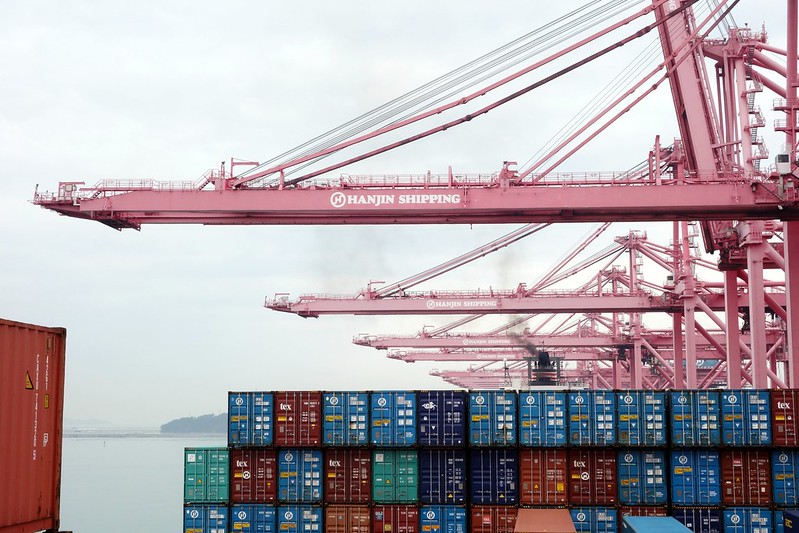
South Korean consumer inflation eased to a five-month low in January, reaching the Bank of Korea’s official target and reinforcing signs that price pressures in the country are gradually stabilizing. According to data released Tuesday by the Ministry of Economy and Finance and Statistics Korea, the benchmark consumer price index (CPI) rose 2.0% year-on-year, slowing from a 2.3% increase in December and coming in below economists’ expectations of 2.1%.
This marks the lowest inflation reading since August 2025 and brings annual consumer inflation exactly in line with the central bank’s long-term target of 2.0%. The moderation in inflation was largely driven by lower energy prices, which helped offset seasonal upward pressure from food costs, particularly agricultural products, ahead of the Lunar New Year holiday in mid-February.
On a monthly basis, South Korea’s consumer prices rose 0.4% in January, slightly under the 0.5% increase forecast by analysts. This followed a 0.3% month-on-month rise recorded in December, suggesting a steady but controlled pace of price growth at the start of the year. Despite seasonal demand factors, the overall inflation trend remained contained.
Core inflation, which excludes volatile food and energy prices and is closely watched by policymakers, also showed signs of stability. Core CPI increased 2.0% year-on-year in January, matching the headline rate, while rising 0.5% compared with the previous month. The alignment between headline and core inflation indicates that underlying price pressures remain moderate.
The latest inflation data aligns with the Bank of Korea’s broader outlook. In its December monetary policy report, the central bank projected that inflation would average 2.1% in 2026, unchanged from the previous year. The January figures suggest that inflation is already tracking close to that forecast, potentially giving policymakers more flexibility as they balance price stability with economic growth.
For investors and businesses, the easing of South Korean inflation may reduce uncertainty around interest rate policy and support consumer confidence. As energy prices remain subdued and seasonal factors fade, inflation is expected to stay near target levels, reinforcing expectations of a stable macroeconomic environment in the months ahead.













