


 Iran-U.S. Oil Tensions Escalate as Revolutionary Guards Threaten Strait of Hormuz Blockade
  IEA Releases Record 400 Million Barrels of Oil Amid U.S.-Iran War
  Iran-Israel War Sparks Global Oil Crisis as Tankers Burn in Gulf Waters
  German Exports Drop 2.3% in January, Exceeding Forecast Decline
  Asian Currencies Face Pressure as U.S.-Iran Conflict Weighs on Markets
  Chinese AI Stocks Surge as Tencent, MiniMax, and Zhipu Launch Agentic AI Programs
  U.S. Solar Market Contracts in 2025 as Trump Rolls Back Renewable Energy Incentives
  Asia FX Steady as Iran War Signals and U.S. Inflation Data Weigh on Sentiment
  Bank of Japan Expected to Hold Rates at 0.75% Before June Hike Amid Middle East War Uncertainty
  RBA Set for Back-to-Back Rate Hikes, Westpac Forecasts
  Trump Administration Launches Trade Investigations Against 16 Countries Over Industrial Overcapacity
  Dollar Steadies as Traders Await Clarity on U.S.-Israel-Iran War
  UK Housing Market Slows Amid Geopolitical Tensions and Mortgage Rate Fears
  Gold Prices Slip as U.S.-Israel-Iran War Fuels Dollar and Oil Demand
  Oil Prices Surge Toward $100/Barrel After Tanker Attacks in Iraqi Waters
  Asian Markets Retreat as Oil Prices Surge Toward $100 Amid Middle East Tensions


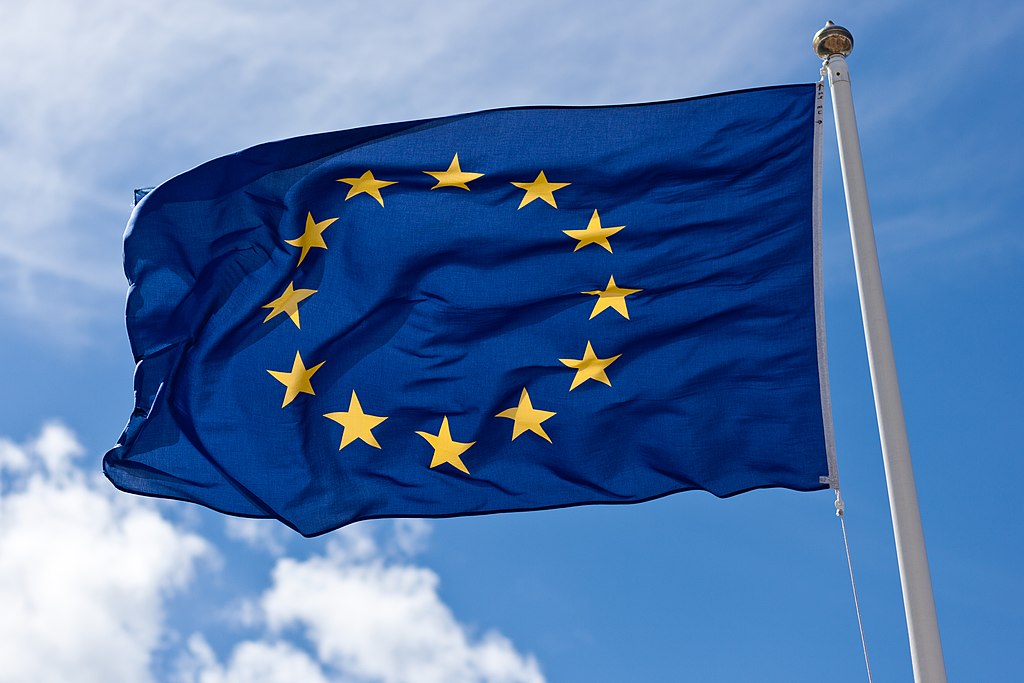
Across Spain’s olive groves and vineyards, sensors and drones funded by the European Union’s massive post-pandemic recovery plan are collecting soil data to power AI-driven farming. These projects reflect the core ambition of the EU’s €955 billion Next Generation EU fund: to modernize economies through digitalization and decarbonization. Yet as the programme nears its final payout deadlines, its long-term impact remains uneven.
Launched in 2020 to counter the pandemic-driven economic collapse, the recovery fund aimed to not only stabilize Europe’s economy but also accelerate structural reforms, boost sustainability, and strengthen digital infrastructure. While many initiatives succeeded in cushioning the immediate shock, persistent challenges such as skills shortages, complex bureaucracy, and unclear post-funding business models have limited broader transformation.
In Spain, agricultural digitization projects have delivered valuable data infrastructure and governance frameworks, but project leaders warn that sustainable financing is still missing once EU money runs out. Similar issues are evident across the bloc. Of the more than €700 billion made available in grants and loans from 2021, around €182 billion remains undistributed, according to EU figures cited by Reuters.
Countries like Italy and Spain, which together received over half of the available funds, struggled with delays caused by repeated plan revisions, administrative hurdles, and ambitious reform requirements. Italy revised its €194 billion plan six times, slowing implementation and forcing cuts to social projects such as childcare facilities. Spain ultimately declined over €60 billion in loans, citing supply chain issues and reduced need for EU-backed debt due to improved market conditions.
Critics argue that efforts to distribute funds evenly diluted their economic impact, with some money spent on low-impact local projects. Small and medium-sized enterprises, a key target of the fund, were often discouraged by complex application processes.
Despite these setbacks, EU officials remain optimistic that productivity and growth gains will materialize as projects mature. Recent approvals allowing Italy and Spain to extend spending timelines beyond 2026 may help ensure more effective use of the funds. Economists suggest that flexible timelines and fiscal rules could maximize the recovery fund’s long-term benefits, helping Europe emerge more resilient, competitive, and digitally advanced.













