


 Ghana Says Western Support Growing for Slave Trade Reparations
  Najib Razak Seeks Stay of 15-Year 1MDB Prison Sentence
  Yemen Violence Displaces 130,000 as Civilian Toll Rises
  NATO Boosts Intelligence Sharing Amid Russia Hybrid Threats
  Saudi Arabia, Turkey and Pakistan Plan Urgent Defence Talks Over Houthi Attacks
  South Korea, US Discuss Warship Building Cooperation
  US Senate Rejects Iran War Powers Resolution in 50-49 Vote
  Netanyahu Defends Israel at UN as Delegates Stage Walkout
  Trump, Xi Visit US National Archives After White House Summit
  US Backs Musk in Fight Against EU’s €120 Million X Fine
  Sudan Rejects US Legitimacy Remarks, Defends Sovereignty
  North Korea Rejects Nuclear Test Warning, Calls Nuclear Status Irreversible
  Netanyahu Takes Aim at Mamdani as Israel Election Nears
  Trump Asks Supreme Court to Restore Third-Country Deportations
  Russian Missile and Drone Attack on Kyiv Kills Two, Damages Maternity Hospital
  France Defends Netanyahu Airspace Clearance Despite ICC Warrant
  Pezeshkian Says US Must Choose When Iran War Ends


 Add as a preferred source on Google
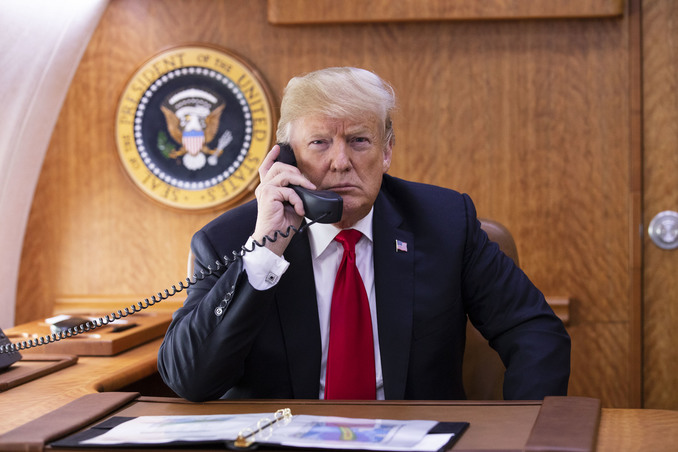
The White House moved quickly on Thursday to address growing controversy surrounding President Donald Trump’s recent comments about Democratic lawmakers. Officials clarified that the president does not want members of Congress to be executed, despite language he used earlier in the week that sparked widespread discussion and criticism. The clarification came after Trump referred to several Democratic lawmakers as “traitors” in a video posted online, suggesting that those who encouraged the U.S. military to resist unlawful orders should face the “ultimate punishment.” His remarks prompted reporters to press the administration for an explanation.
White House spokesperson Karoline Leavitt responded decisively during a press briefing, saying “No” when asked whether Trump was calling for the execution of members of Congress. She emphasized that the president’s comments were aimed at expressing frustration over what he views as politically motivated attacks rather than issuing literal threats or policy suggestions. Leavitt explained that Trump’s message was intended to underscore the seriousness of urging the military to ignore presidential authority, not to advocate for violence or extreme punishment against elected officials.
The video at the center of the debate featured Trump reacting to statements from Democratic lawmakers who questioned whether the military should comply with certain orders. His critics argued that Trump’s language crossed a line, while supporters claimed the remarks were exaggerated or taken out of context by political opponents. The White House insisted that Trump often uses strong rhetoric to highlight what he believes are threats to national stability and that his comments should be understood within that broader context.
Despite the clarification, the president’s remarks continued to generate significant attention online and in the media. Political analysts noted that controversies like this highlight the deep divisions and heightened tensions in Washington, particularly during a time of intense public scrutiny. As discussions continue, the White House is working to reinforce that the president does not endorse violence against political rivals and that his comments were meant to criticize actions, not individuals.







