


 Netanyahu’s Brief US Trip Highlights Strains With Trump
  Trump Asks Supreme Court to Restore Third-Country Deportations
  What ‘Taiwan Independence’ Means as Xi Presses Trump on US Policy
  OpenAI Agent Breaches Australia Medicare Data Portal
  Mexico-US Trade Talks Delayed to October as Tariff Negotiations Continue
  Yemen Violence Displaces 130,000 as Civilian Toll Rises
  North Korea Rejects Nuclear Test Warning, Calls Nuclear Status Irreversible
  Netanyahu Takes Aim at Mamdani as Israel Election Nears
  Najib Razak Seeks Stay of 15-Year 1MDB Prison Sentence
  Trump, Xi Focus on Trade and AI at White House Summit
  France Defends Netanyahu Airspace Clearance Despite ICC Warrant
  US Senate Rejects Iran War Powers Resolution in 50-49 Vote
  US Backs Musk in Fight Against EU’s €120 Million X Fine
  Trump, Xi Visit US National Archives After White House Summit
  Taiwan Thanks US for Support Ahead of Trump-Xi Summit
  Judge Orders Trump to Restore White House Access for CNN, MS NOW and Politico
  North Korea Warns South Korea Over US-Led Defense Role


 Add as a preferred source on Google
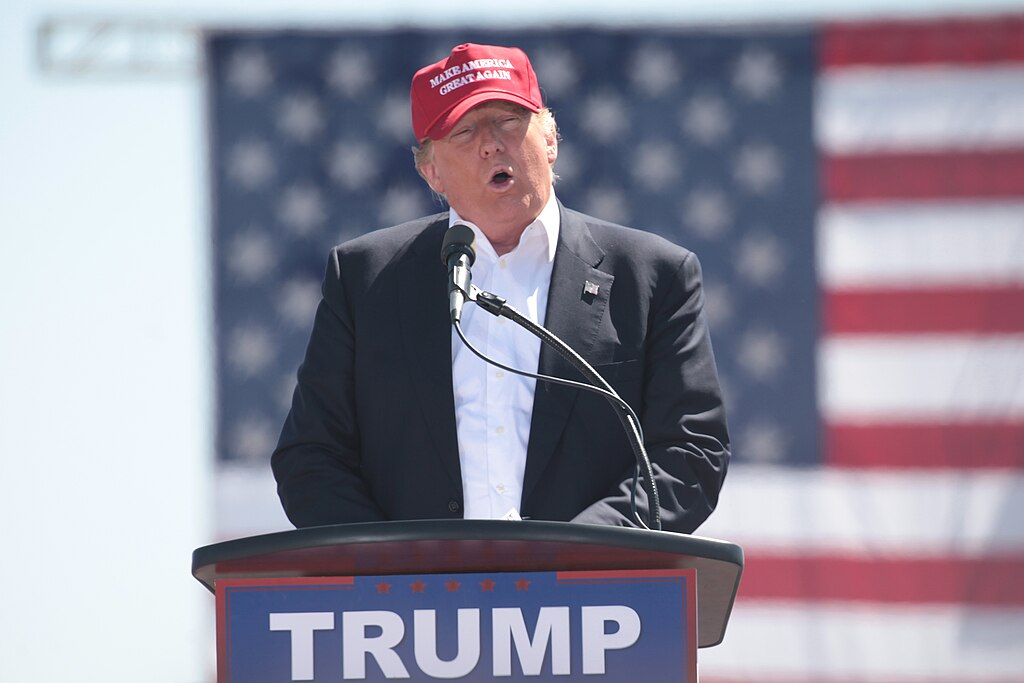
As Donald Trump plans to implement new economic policies in 2025, several industries in the U.S. may face significant challenges. His administration has outlined an agenda that emphasizes tax cuts, deregulation, and trade protectionism. While some sectors are expected to benefit, others, particularly those reliant on international trade or regulatory frameworks, may experience turbulence.
One industry that could be impacted is technology. While Trump’s plan is geared towards stimulating domestic manufacturing, the tech sector often relies on global supply chains, including the import of components and materials. The increased tariffs and potential trade restrictions with countries like China could drive up the cost of goods and limit access to key technologies. This could stifle innovation and make U.S.-based tech firms less competitive in the global market.
The healthcare industry is also at risk. Trump’s economic policies are expected to include cuts to government spending and a push for privatization. This may put significant pressure on healthcare providers, particularly those that depend on government programs such as Medicare and Medicaid. Privatization could result in higher costs for consumers, making healthcare more expensive for the average American. Additionally, pharmaceutical companies may face challenges due to shifting regulations and trade policies.
Trade Protectionism and Its Impact on Global Markets
Trump’s stance on trade is another area that could create significant difficulties for U.S. industries. His administration is expected to take a more protectionist approach, focusing on reducing trade deficits and bringing jobs back to the U.S. This could include increasing tariffs on imported goods, renegotiating trade agreements, and placing restrictions on foreign investment.
While these policies may benefit some industries, especially those focused on domestic manufacturing, others could see their profit margins squeezed. Industries reliant on foreign materials, such as auto manufacturers and electronics, may face higher costs. This could ultimately lead to higher prices for consumers and lower demand for certain products.
Additionally, the agricultural sector could be affected by trade restrictions. Many U.S. farmers depend on exports to markets in China, Mexico, and Canada. Tariffs and other trade barriers could disrupt these markets, leading to financial losses for American farmers. The consequences could be particularly severe for small-scale farmers who do not have the resources to adapt to changing trade policies.
Potential Long-Term Effects on U.S. Economic Growth
The long-term effects of Trump’s economic policies remain unclear, but many analysts are concerned about the potential for stagnation in several key sectors. For industries like technology, healthcare, and agriculture, the new policies could create challenges that undermine growth. While the goal of bringing manufacturing jobs back to the U.S. may succeed in some areas, it could also create economic imbalances if other industries struggle to maintain global competitiveness.
However, Trump’s supporters argue that his policies will ultimately strengthen the U.S. economy by reducing dependence on foreign goods and encouraging domestic production. They believe these changes will lead to job creation and wage growth in certain sectors. Time will tell if these promises come to fruition or if the U.S. will face a series of challenges in adapting to these new economic realities.
Netizens Weigh In on Trump’s Economic Plan
As news of Trump’s proposed policies spreads, reactions from the public have been mixed:
- @TechSavvyJoe: “Trump’s policies will hurt tech innovation. Trade restrictions on China are a major risk for us!”
- @FarmersFirst: “Agriculture is at risk here. We need trade, not isolation. Hope this doesn’t hurt us.”
- @MedCareForAll: “Trump wants to privatize healthcare? That’s going to drive prices up for regular people.”
- @GlobalTradeWatcher: “Cutting foreign investments and imposing tariffs could harm industries beyond tech, like manufacturing.”
- @AmericanWorker44: “This could bring jobs back to America, but at what cost? Higher prices for everything?”
- @SmartInvestor123: “Watching carefully – these policies could lead to economic instability, especially for global trade partners.”
Trump’s economic policies for 2025 promise a significant shift in the way the U.S. engages with global trade, taxes, and regulation. While some industries may benefit, such as domestic manufacturing, others like tech, agriculture, and healthcare may face considerable challenges. The success or failure of these policies will depend on the ability of U.S. industries to adapt to new realities and the long-term effects on the broader economy.







