


 Trump Says U.S.-Iran Peace Deal Near After UN Talks
  Trump Meets Venezuela’s Delcy Rodriguez at UN Assembly
  Trump Says ‘Freedom’ Is Coming to Cuba
  Scott Bessent Eyed as Trump’s New AI Czar
  Trump Board of Peace Unveils $2.45 Billion Gaza Recovery Plan
  Burnham Eyes UK Leadership Role in AI Ahead of Trump Meeting
  South Korea, US Discuss Warship Building Cooperation
  Macron Challenges Trump’s Gaza Peace Claims at UN
  US Invites Putin to Miami G20, Opening Door to Trump Summit
  Gaza Faces Evacuation Crisis as War-Damaged Buildings Risk Collapse
  Iran Vows ‘Crushing’ Response as US Talks Continue
  Taiwan Vows to Advance US Arms Sales Ahead of Trump-Xi Meeting
  Trump to Press Xi on Release of US Nuclear Expert Held in China
  Russian Strikes Kill Eight Across Ukraine as Energy Sites Hit
  Canada Unveils Bill to Fast-Track Major Resource Projects
  US, China Extend Trade Truce to Jan. 10 Ahead of Trump-Xi Summit
  Ghana Says Western Support Growing for Slave Trade Reparations


 Add as a preferred source on Google
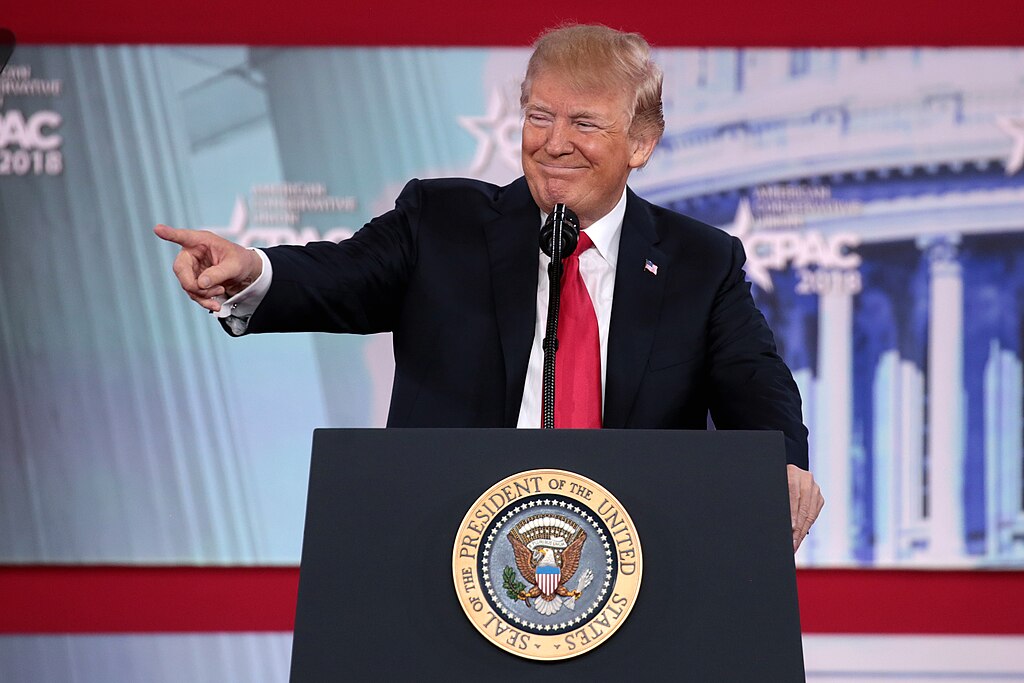
As President Donald Trump embarks on his second term in 2025, his administration is implementing stringent border policies aimed at curbing illegal immigration and enhancing national security. These measures have sparked significant debate domestically and internationally.
Reinstating and Expanding Previous Policies
Central to Trump's agenda is the revival of the "Remain in Mexico" policy, officially known as the Migrant Protection Protocols. This policy requires asylum seekers to stay in Mexico while their U.S. immigration cases are processed, a practice that has faced criticism for exposing migrants to dangerous conditions. Additionally, the administration plans to declare a national emergency to facilitate mass deportations, utilizing military resources to expedite the removal of undocumented immigrants.
Economic Measures to Deter Migration
In a bid to deter illegal immigration and drug trafficking, Trump has proposed imposing a 25% tariff on all imports from Mexico, Canada, and China. This aggressive trade policy aims to pressure neighboring countries into stricter enforcement of migration controls. However, such tariffs have raised concerns about potential trade wars and economic repercussions for American consumers and businesses.
International Responses and Clarifications
Following discussions with Mexican President Claudia Sheinbaum, Trump announced that Mexico had agreed to halt migration through its territory into the U.S., effectively closing the southern border. However, President Sheinbaum later clarified that Mexico's strategy focuses on addressing migration with respect for human rights and aims to build bridges between governments and peoples, indicating a more nuanced approach than Trump's portrayal.
Public Reaction
The administration's border policies have elicited diverse reactions on social media:
-
@BorderSecurityFirst: "Finally, a president taking decisive action to protect our borders. Long overdue!"
-
@HumanRightsAdvocate: "Mass deportations and 'Remain in Mexico' policies are inhumane and violate international law."
-
@TradeExpert2025: "Imposing tariffs could backfire, leading to higher prices for American consumers and strained relations with key partners."
-
@ImmigrantVoices: "These policies ignore the root causes of migration and punish vulnerable populations seeking safety."
-
@NationalSecurityNow: "Strengthening border security is essential for national safety. Support the administration's efforts."
-
@EconomicAnalyst: "Trade wars are not the answer. We need collaborative solutions to complex migration issues."
Looking Ahead
As the Trump administration advances its border security agenda, the nation remains divided over the balance between enforcing immigration laws and upholding humanitarian principles. The effectiveness and ethical implications of these policies will continue to be scrutinized by policymakers, international partners, and the public.







