


 Iran Vows ‘Crushing’ Response as US Talks Continue
  Marco Rubio to Meet Russia’s Lavrov in New York
  US Officials Split Over Response to Israeli West Bank Settlements
  Macron Challenges Trump’s Gaza Peace Claims at UN
  Gaza Faces Evacuation Crisis as War-Damaged Buildings Risk Collapse
  Scott Bessent Eyed as Trump’s New AI Czar
  Trump Says U.S.-Iran Peace Deal Near After UN Talks
  Trump to Press Xi on Release of US Nuclear Expert Held in China
  Vietnam, US Trade Deal Could Be Signed Soon, To Lam Says
  Zelenskiy Warns Russia Preparing Major Attack on Ukraine
  Russian Strikes Kill Eight Across Ukraine as Energy Sites Hit
  Trump Administration Plans Faster FDA Reviews for Smoke-Free Nicotine Products
  Russian Envoy Dmitriev Heads to US for Ukraine Talks
  Trump Says ‘Freedom’ Is Coming to Cuba
  Taiwan Vows to Advance US Arms Sales Ahead of Trump-Xi Meeting
  Canada Unveils Bill to Fast-Track Major Resource Projects
  Trump Board of Peace Unveils $2.45 Billion Gaza Recovery Plan


 Add as a preferred source on Google
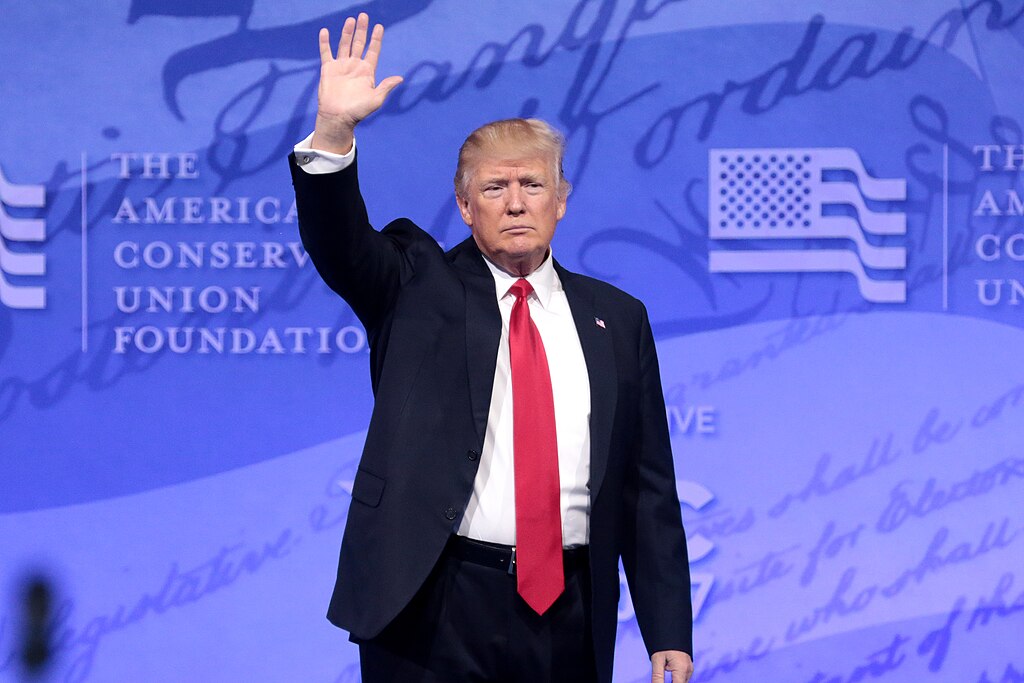
As President Donald Trump embarks on his second term in 2025, his administration is poised to significantly reshape global alliances, emphasizing an "America First" doctrine that prioritizes U.S. interests. This approach has already begun to alter the dynamics of international relationships, prompting both anticipation and concern among global leaders.
Reevaluating Traditional Alliances
Central to Trump's foreign policy is a critical reassessment of longstanding alliances, particularly with European nations. The administration has expressed dissatisfaction with NATO allies' defense spending, urging them to meet their financial commitments. This stance has led to tensions within the alliance, with some European leaders questioning the reliability of U.S. support.
In the Asia-Pacific region, the U.S. is strengthening ties with allies such as Japan and South Korea to counter China's growing influence. However, Trump's unpredictable approach has raised concerns about the consistency of U.S. commitments, leading some nations to seek alternative partnerships.
Engaging with Adversaries
The Trump administration is also pursuing direct engagement with traditional adversaries. Notably, Trump has nominated retired Gen. Keith Kellogg as a special envoy to address the ongoing conflict between Ukraine and Russia. Kellogg's appointment signals a potential shift in U.S. involvement in the region, aiming for a negotiated settlement.
In the Middle East, Trump's policies reflect a strong pro-Israel stance, with the nomination of Mike Huckabee as ambassador to Israel. This decision underscores the administration's commitment to its allies in the region, while also indicating a possible reevaluation of U.S. involvement in ongoing conflicts.
Public Reaction
The administration's foreign policy moves have elicited diverse reactions on social media:
-
@GlobalObserver: "Redefining alliances is necessary, but alienating long-term partners could backfire."
-
@PeaceAdvocate: "Engaging with adversaries is a positive step toward global stability."
-
@DefenseAnalyst: "Pressuring NATO allies on spending might weaken collective security."
-
@AsiaPolicyWatch: "Strengthening ties in Asia is crucial, but consistency is key."
-
@MiddleEastMonitor: "Pro-Israel policies could escalate tensions in the region."
-
@DiplomacyFirst: "Diplomatic engagement should balance national interests with global cooperation."
Looking Ahead
As the Trump administration continues to implement its foreign policy agenda, the global community remains watchful. The redefinition of alliances and engagement strategies will have lasting impacts on international relations, necessitating careful navigation to maintain global stability.







