


 Macron Challenges Trump’s Gaza Peace Claims at UN
  Kremlin Says No Grounds Yet for Ukraine Peace Talks
  Marco Rubio to Meet Russia’s Lavrov in New York
  Iran Vows ‘Crushing’ Response as US Talks Continue
  Europe Warns Russia Is Escalating Hybrid Attacks Across NATO
  China Tightens Fentanyl Rules Ahead of Trump-Xi Summit
  Venezuela Promises Elections as Delcy Rodriguez Pledges Democratic Transition
  Russian Strikes Kill Eight Across Ukraine as Energy Sites Hit
  Taiwan Thanks US for Support Ahead of Trump-Xi Summit
  Netanyahu Takes Aim at Mamdani as Israel Election Nears
  Ghana Says Western Support Growing for Slave Trade Reparations
  South Korea, US Discuss Warship Building Cooperation
  Zelenskiy Warns Russia Preparing Major Attack on Ukraine
  US Officials Split Over Response to Israeli West Bank Settlements
  US Invites Putin to Miami G20, Opening Door to Trump Summit
  Sudan Rejects US Legitimacy Remarks, Defends Sovereignty
  Lula and Flavio Bolsonaro Tied in Brazil Runoff Poll


 Add as a preferred source on Google
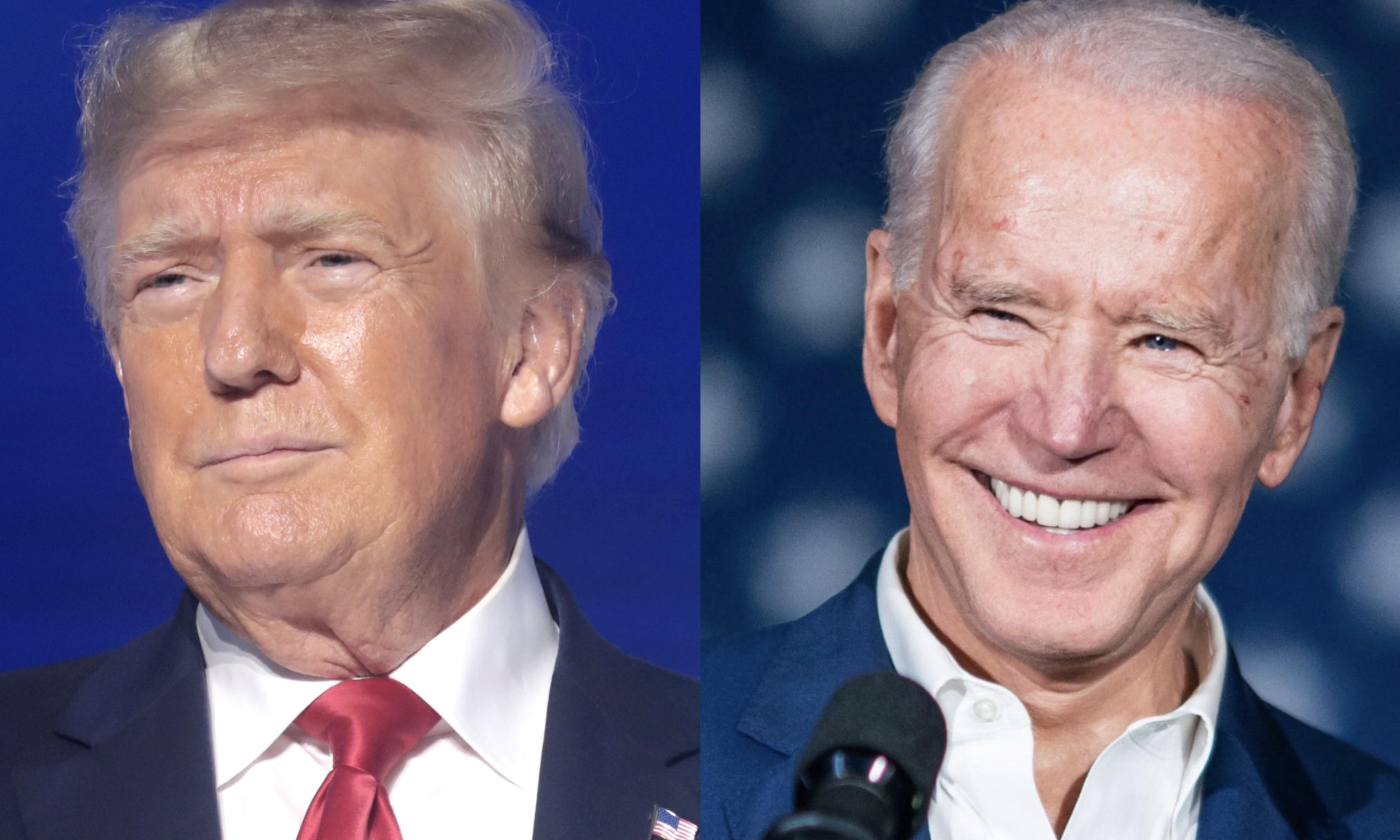
As the 2024 U.S. presidential election looms, the debate over global safety under former President Donald Trump and current President Joe Biden has gained renewed attention. Supporters of Trump argue that the world was more secure during his administration, citing specific foreign policy moves that they claim deterred conflicts and promoted stability. Critics of Biden, on the other hand, point to what they describe as a decline in global order since he took office, raising concerns over how international relations have shifted under his leadership.
During Trump’s presidency, his administration followed a unique approach to foreign policy, favoring direct engagement with authoritarian leaders such as North Korea’s Kim Jong-un and Russia’s Vladimir Putin. His administration also adopted an "America First" stance, which prioritized U.S. interests while challenging long-standing alliances, such as those with NATO and European partners. Trump withdrew the U.S. from several multilateral agreements, including the Iran nuclear deal, a move that supporters claim increased pressure on Tehran and contributed to regional stability in the Middle East.
Additionally, Trump’s administration oversaw a relatively calm period in terms of U.S. military engagement abroad, reducing troops in conflict zones like Afghanistan, Iraq, and Syria. Advocates of Trump's policies argue that his tough rhetoric and unpredictability kept adversarial nations in check, contributing to a safer global environment.
In contrast, Biden’s presidency has been marked by a return to traditional diplomacy, emphasizing alliances, climate change agreements, and a commitment to multilateralism. However, Biden has faced criticism for the chaotic withdrawal of U.S. forces from Afghanistan in 2021, which many viewed as a sign of weakened U.S. influence in global affairs. The Taliban's rapid takeover of Afghanistan raised concerns about the stability of the region and left Biden’s foreign policy decisions open to scrutiny.
Furthermore, the ongoing war between Russia and Ukraine has tested Biden’s leadership on the global stage. While Biden has rallied NATO allies and provided critical support to Ukraine, the conflict has destabilized Europe, causing ripple effects across global energy markets and security dynamics. Critics argue that Russia’s aggression may not have occurred if Trump had remained in office, pointing to Trump’s relatively conciliatory approach toward Moscow during his presidency.
Despite these criticisms, Biden has taken steps to strengthen alliances, repair U.S. relations with international organizations, and confront global challenges such as China’s increasing assertiveness in the Indo-Pacific region. Under Biden, the U.S. has reaffirmed its commitment to NATO, emphasized collective security, and worked to reinvigorate U.S. leadership on climate change and global health.
EconoTimes cannot independently verify claims regarding global safety comparisons between the Trump and Biden administrations. The debate over world safety remains complex and is influenced by a range of political, economic, and security factors.
While both Trump and Biden have taken distinctly different approaches to international relations, the broader question of whether the world is safer under one leader or another depends largely on perspectives shaped by political affiliation, global events, and evolving geopolitical landscapes. As the world continues to face multiple challenges, from conflict in Europe to tensions in Asia, the question of global safety remains central to U.S. foreign policy debates ahead of the 2024 election.







