


 Ukrainian Drone Attacks Hit Russian Regions, Injuring at Least 12
  US Backs Musk in Fight Against EU’s €120 Million X Fine
  Najib Razak Seeks Stay of 15-Year 1MDB Prison Sentence
  North Korea Warns South Korea Over US-Led Defense Role
  Netanyahu’s Brief US Trip Highlights Strains With Trump
  Trump Warns China Against Supporting Iran in Xi Talks
  NATO Boosts Intelligence Sharing Amid Russia Hybrid Threats
  What ‘Taiwan Independence’ Means as Xi Presses Trump on US Policy
  Saudi Arabia Seeks Military Support as Houthi Attacks Escalate
  Pezeshkian Says US Must Choose When Iran War Ends
  Trump Asks Supreme Court to Restore Third-Country Deportations
  Evan Gershkovich Says FSB Set Trap for 2023 Russia Arrest
  Xi Calls for Deeper U.S.-China AI Cooperation in Trump Talks
  Saudi Arabia, Turkey and Pakistan Plan Urgent Defence Talks Over Houthi Attacks
  Trump, Xi Focus on Trade and AI at White House Summit
  EU Agrees €6.6 Billion Military Aid Funding for Ukraine
  North Korea Rejects Nuclear Test Warning, Calls Nuclear Status Irreversible


 Add as a preferred source on Google
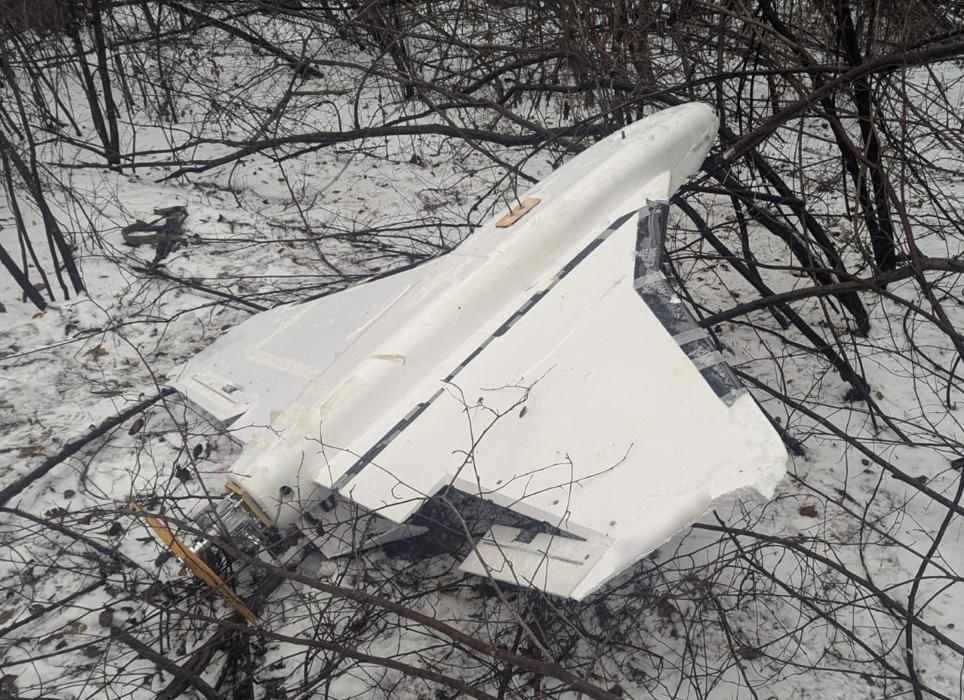
Ukraine may deliberately restrict the quality of mobile internet during Russian drone attacks to prevent enemy forces from using local networks for coordination, according to Chief of the General Staff Andriy Hnatov. He explained that this is not a complete shutdown of services but a targeted limitation of 4G and 5G in specific areas.
The move comes as Russia intensifies drone strikes nearly four years into the war, deploying larger numbers of advanced drones to hit key infrastructure and strategic sites. Hnatov told Ukrainian outlet Novyny Live that reducing access to high-speed connections is a defensive measure aimed at disrupting drones that rely on internet access to transmit live video and coordinate strikes.
Local reports highlight that many Russian drones equipped with cameras require stable 4G signals to function effectively. By cutting high-speed mobile internet temporarily, Ukraine seeks to undermine the ability of these unmanned aerial vehicles to deliver real-time intelligence.
“This is not a disruption of mobile communications, but rather a restriction on the quality of communications,” Hnatov said, stressing that the strategy targets enemy technology rather than ordinary citizens.
The practice mirrors Russia’s own tactics, as Moscow has often ordered mobile internet shutdowns to obstruct Ukrainian drone operations. The tactic underscores how both sides are adapting civilian communication networks for military purposes, reflecting the evolving nature of digital warfare.
By limiting connectivity during attacks, Ukraine aims to reduce the effectiveness of Russian strikes and protect critical infrastructure. This adaptive strategy highlights the increasing role of cyber and communication technologies in modern conflict, where managing access to mobile networks can play a decisive role in defense.







