


 Ghana Says Western Support Growing for Slave Trade Reparations
  Kremlin Says No Decision Yet on Putin-Trump December Summit
  Trump, Xi Focus on Trade and AI at White House Summit
  Russian Missile and Drone Attack on Kyiv Kills Two, Damages Maternity Hospital
  US Senate Rejects Iran War Powers Resolution in 50-49 Vote
  North Korea Rejects Nuclear Test Warning, Calls Nuclear Status Irreversible
  NATO Boosts Intelligence Sharing Amid Russia Hybrid Threats
  Trump, Xi Visit US National Archives After White House Summit
  Saudi Arabia, Turkey and Pakistan Plan Urgent Defence Talks Over Houthi Attacks
  EU Defence Build-Up Too Slow for 2030 Russia Readiness Goal
  What ‘Taiwan Independence’ Means as Xi Presses Trump on US Policy
  Taiwan Thanks US for Support Ahead of Trump-Xi Summit
  OpenAI Agent Breaches Australia Medicare Data Portal
  Ukrainian Drone Attacks Hit Russian Regions, Injuring at Least 12
  Pezeshkian Says US Must Choose When Iran War Ends
  North Korea Warns South Korea Over US-Led Defense Role
  Sudan Rejects US Legitimacy Remarks, Defends Sovereignty


 Add as a preferred source on Google
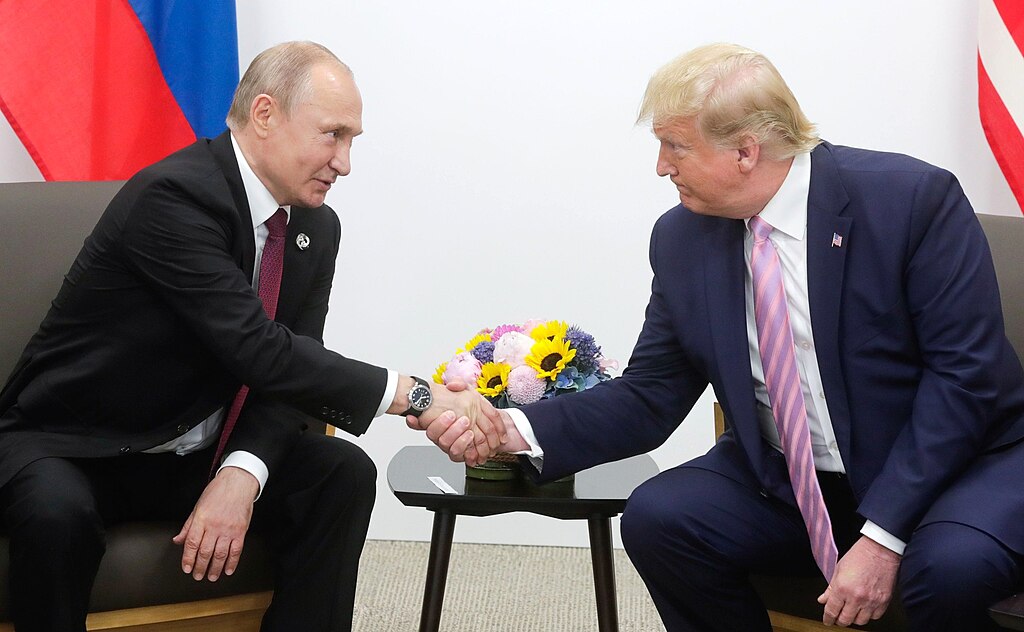
Russia and the United States failed to reach common ground on a potential peace agreement to end the war in Ukraine after an extensive five-hour meeting in the Kremlin, according to a statement released Wednesday. The negotiations, led by President Vladimir Putin and two of U.S. President Donald Trump’s top envoys—businessman Steve Witkoff and Trump’s son-in-law Jared Kushner—stretched past midnight but concluded without a breakthrough.
Trump has long expressed frustration over the ongoing conflict, calling it one of the most challenging foreign-policy issues of his presidency. Despite occasional criticism aimed at both Putin and Ukrainian President Volodymyr Zelenskiy, the latest diplomatic push offered no immediate progress. Putin’s foreign policy adviser, Yuri Ushakov, said the discussions were “constructive,” but emphasized that “compromises have not yet been found” and that the two sides still face significant obstacles.
Ushakov noted that Putin reacted negatively to several U.S. suggestions, though he acknowledged that some American draft proposals were “more or less acceptable” and still open for discussion. Sensitive details remain undisclosed, as both sides agreed to keep the specifics confidential. After the talks, Witkoff headed to the U.S. embassy in Moscow to deliver a briefing to the White House.
A key sticking point involved what the Kremlin calls the “territorial problem”—Russia’s claim over the entire Donbas region, despite Ukraine maintaining control of roughly 5,000 square kilometers of internationally recognized Ukrainian territory. Ushakov stressed that certain U.S. formulations were “not suitable” for Russia, indicating further negotiations will be necessary.
The stalled talks come amid rising concerns among European governments, who worry that Washington’s pursuit of a separate peace framework could undermine their own efforts. A previously leaked set of 28 U.S. proposals had already unsettled Ukrainian and EU officials for appearing too favorable to Moscow. Although the U.S. and Ukraine recently updated their joint peace framework, Zelenskiy cautioned that any lasting solution must be transparent and not forged “behind Ukraine’s back.”
Meanwhile, Putin issued new threats toward Ukraine, suggesting he could sever the country’s access to the sea in response to escalating drone attacks in the Black Sea—remarks that Ukraine’s foreign minister said prove Moscow is not yet serious about ending the war.







