


 Judge Orders Trump to Restore White House Access for CNN, MS NOW and Politico
  US Officials Split Over Response to Israeli West Bank Settlements
  Trump, Xi Focus on Trade and AI at White House Summit
  France Defends Netanyahu Airspace Clearance Despite ICC Warrant
  US Senate Rejects Iran War Powers Resolution in 50-49 Vote
  EU Defence Build-Up Too Slow for 2030 Russia Readiness Goal
  Netanyahu Takes Aim at Mamdani as Israel Election Nears
  Ghana Says Western Support Growing for Slave Trade Reparations
  US Backs Musk in Fight Against EU’s €120 Million X Fine
  Gaza Faces Evacuation Crisis as War-Damaged Buildings Risk Collapse
  Russian Missile and Drone Attack on Kyiv Kills Two, Damages Maternity Hospital
  US, China Extend Trade Truce to Jan. 10 Ahead of Trump-Xi Summit
  Netanyahu Defends Israel at UN as Delegates Stage Walkout
  Taiwan Thanks US for Support Ahead of Trump-Xi Summit
  North Korea Warns South Korea Over US-Led Defense Role
  OpenAI Agent Breaches Australia Medicare Data Portal
  Yemen Violence Displaces 130,000 as Civilian Toll Rises


 Add as a preferred source on Google
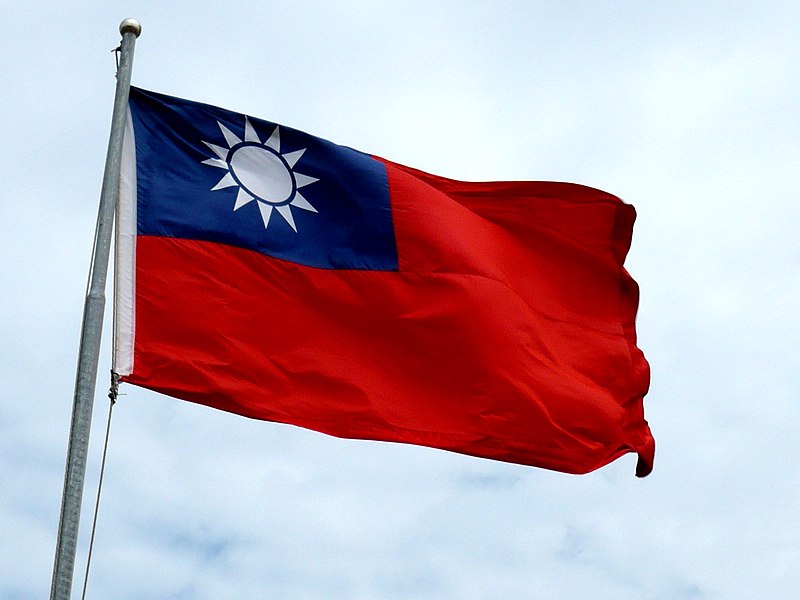
The US has sought to increase its engagement with Taiwan as the island nation resists the pressure campaign by China to accept its sovereignty over the island. Washington said Friday last week that it has approved a potential sale of military aid to Taiwan.
Reuters reports that the State Department has approved the sale of $108 million of military assistance to Taiwan, according to the Pentagon. This comes as Taipei has requested the latest military assistance, which includes spare and repair parts for tanks and combat vehicles, and US government and contractor technical and logistical support.
“The proposed sale will contribute to the sustainment of the recipient’s vehicles, small arms, combat weapon systems, and logistical support systems, enhancing its ability to meet current and future threats,” said the Pentagon’s Defense Security Cooperation Agency in a statement.
The potential sale will also enhance the military interoperability of the island nation with the US and other allies, and Taiwan’s armed forces will not have difficulties with the equipment and the support. The approval of the State Department did not include an indication that the proposed sale has been made.
However, the defense ministry of Taiwan said the deal was expected to take effect in a month.
“In the face of the expanding military threat of the Chinese Communists, properly maintaining equipment is as important as newly purchased weapons and equipment,” said the ministry in a statement.
Washington has long urged Taiwan to modernize its military to become a “porcupine” that would be hard for China to attack, pushing for the sale of inexpensive, mobile, and survivable or “asymmetric” weapons that could outlast assaults by China’s military.
This potential sale also comes as Taiwanese President Tsai Ing-Wen has launched her party’s re-election campaign Sunday for the local elections that will take place in November.
The ruling Democratic Progressive Party touted the country’s economic resilience in the midst of inflation and the war in Ukraine.
During the DPP’s annual Congress, Tsai said the post-pandemic era was full of both challenges and opportunities, referring to Russia’s invasion of Ukraine and inflation.
While Tsai did not mention China in her remarks, Taiwanese Premier Su Tseng-Chang, said the Taiwanese people will not bow to Beijing’s pressure campaign.







