


 France Defends Netanyahu Airspace Clearance Despite ICC Warrant
  Trump, Xi Focus on Trade and AI at White House Summit
  North Korea Warns South Korea Over US-Led Defense Role
  OpenAI Agent Breaches Australia Medicare Data Portal
  US, China Extend Trade Truce to Jan. 10 Ahead of Trump-Xi Summit
  Netanyahu Takes Aim at Mamdani as Israel Election Nears
  Sudan Rejects US Legitimacy Remarks, Defends Sovereignty
  North Korea Rejects Nuclear Test Warning, Calls Nuclear Status Irreversible
  Kremlin Says No Decision Yet on Putin-Trump December Summit
  Judge Orders Trump to Restore White House Access for CNN, MS NOW and Politico
  Trump Asks Supreme Court to Restore Third-Country Deportations
  Taiwan Thanks US for Support Ahead of Trump-Xi Summit
  Russian Missile and Drone Attack on Kyiv Kills Two, Damages Maternity Hospital
  Ghana Says Western Support Growing for Slave Trade Reparations
  EU Defence Build-Up Too Slow for 2030 Russia Readiness Goal
  US Senate Rejects Iran War Powers Resolution in 50-49 Vote
  Mexico-US Trade Talks Delayed to October as Tariff Negotiations Continue


 Add as a preferred source on Google
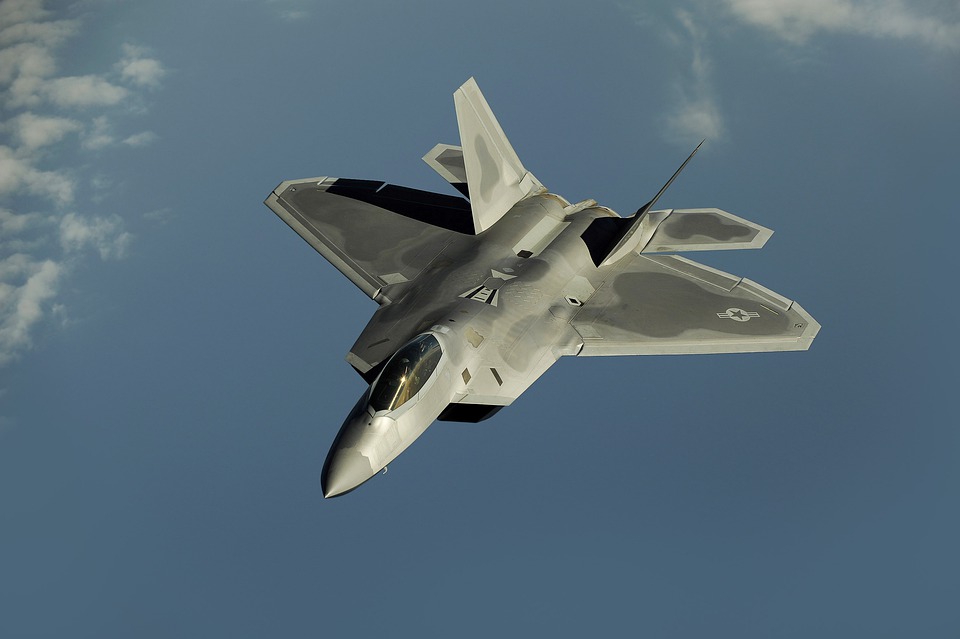
As tensions remain in the region regarding Taiwan, the island nation has also looked to bolster its defenses. Taiwan this week displayed its newest warplane, which is also locally designed and manufactured.
Reuters reports that Taiwan’s air force touted its new jet trainer aircraft this week, showing off its capabilities as it is set to replace the old, existing equipment. The new AT-5 Brave Eagle aircraft is manufactured by the state-owned Aerospace Industrial Development Corp. with a budget of $2.3 billion and carried out its first test flight back in 2020.
The AT-5 aircraft is the island’s first locally-made jet since the F-CK-1 Ching-kuo Indigenous Defense Fighter or IDF, which was deployed over 30 years ago. Both aircraft look similar to each other and have similar capabilities.
Three Brave Eagles took to the air at the Chihhang air base in Taitung, on the east coast of Taiwan, in front of the press. Flight training officer Chang Chong-hao said the Brave Eagle was capable of both air-to-air and air-to-ground combat training and could land and take off even with a short runway.
The Brave Eagle trainer can also be equipped with weapons, but the capability is still to be tested. The aircraft is also designed to have a support function in case of war.
Taiwan’s air force plans on getting 66 Brave Eagle units by 2026 to replace the old AT-3 and F-5 training aircraft, which have experienced crashes in recent years.
The United States mostly supplies Taiwan’s military, but Taiwanese President Tsai Ing-wen has looked to prioritize the development of an advanced domestic defense industry amidst tensions with China, which claims the island as part of its territory.
Last week, Taiwan’s Premier Su Tseng-chang made grim remarks on the 25th anniversary of Hong Kong’s return to China after being a British colony. Su told reporters that the promises China has made over Hong Kong were not kept.
This also comes as most people in Taiwan have no desire to be governed by Beijing, and the island’s democratic government has constantly rejected China’s “one country, two systems” offer as it has with Hong Kong and Macau.
“It’s only been 25 years, and in the past, the promise was 50 years of no change. The ‘dancing will go on and the horses still run’ has disappeared and even freedom and democracy have vanished,” said Su, referring to a Hong Kong expression of how life will not change under Beijing’s rule.







