


 South Korea, US Discuss Warship Building Cooperation
  Wall Street Ends Flat as Oil, Treasury Yields and Fed Jitters Rattle Markets
  Soybean Futures Slip as Traders Await Trump-Xi Trade Signals
  Najib Razak Seeks Stay of 15-Year 1MDB Prison Sentence
  U.S. Treasury Yields Surge as 30-Year Hits 22-Year High
  Japanese Bank Stocks Surge as Bond Yields Fuel Rate Hike Bets
  Gold Holds Near $4,275 as Rising Treasury Yields Fuel Fed Rate Hike Bets
  France Defends Netanyahu Airspace Clearance Despite ICC Warrant
  Yemen Violence Displaces 130,000 as Civilian Toll Rises
  Japan Private-Sector Growth Slows as Domestic Demand Weakens
  European Stocks Fall as Bond Yields and Geopolitical Risks Weigh
  Kremlin Says No Decision Yet on Putin-Trump December Summit
  Oil Prices Ease as Iran Tensions Clash With Diplomacy Hopes
  US Backs Musk in Fight Against EU’s €120 Million X Fine
  Asian Currencies Mixed as Dollar Holds Near Two-Month High
  U.S. 10-Year Treasury Yield Hits 2007 High as Fed Rate Hike Bets Rise
  US Senate Rejects Iran War Powers Resolution in 50-49 Vote


 Add as a preferred source on Google
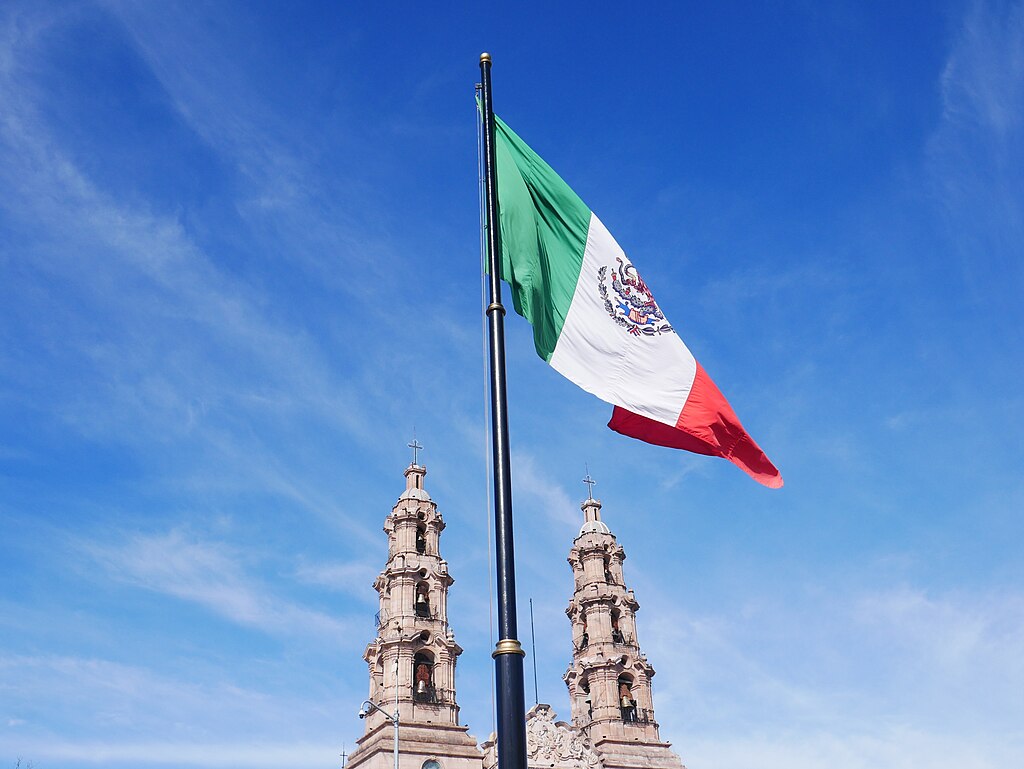
The United States and Mexico are in advanced talks to reduce or remove President Donald Trump’s 50% steel tariffs on Mexican imports, according to trade and industry sources. A likely outcome is a quota system allowing a fixed volume of steel imports from Mexico to enter either duty-free or at a reduced rate, with anything above that subject to the full tariff.
The deal, still under negotiation, could base allowable volumes on historical trade levels. It remains uncertain whether the in-quota steel imports will be entirely exempt from tariffs or simply taxed at a lower rate. A final quota amount has yet to be confirmed.
Bloomberg first reported the development, stating both countries were nearing an agreement that would offer U.S. companies tariff-free access to Mexican steel under strict volume limits. The U.S. Commerce Department and the White House have declined to comment.
Mexico was the third-largest steel exporter to the U.S. in 2024, shipping 3.52 million net tons—a 16% drop from the previous year. Canada led with 6.56 million net tons, followed by Brazil at 4.5 million.
When Trump introduced the Section 232 tariffs in 2018, Mexico and Canada initially received exemptions, later replaced with safeguard procedures. Trump scrapped all such measures in April, intensifying the tariffs.
U.S. industry representatives are now pushing for a formal quota to prevent potential steel surges and transshipment from countries like China via Mexico. Mexican Economy Minister Marcelo Ebrard argued the tariffs are unjustified since the U.S. holds a trade surplus in steel and aluminum with Mexico. He emphasized that the tariffs threaten jobs and integrated supply chains, urging the U.S. to follow the UK's lead and lift restrictions.







